


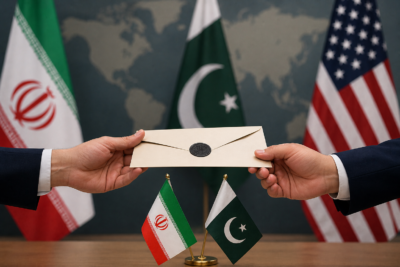
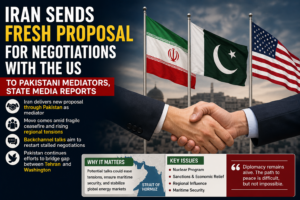
WAR-REPORT: In a significant diplomatic development that could shape the future of Middle East stability, Iran has reportedly sent a fresh proposal to the United States through Pakistan acting as a key intermediary. The move comes at a time of heightened geopolitical tensions, a fragile ceasefire, and growing international concern over energy security and regional conflict.
According to state media reports, the proposal was delivered through backchannel diplomacy, signaling that despite ongoing hostilities and deep mistrust, both sides may still be exploring pathways toward de-escalation and eventual negotiation.
A Renewed Diplomatic Push Amid Conflict
The latest proposal from Iran marks a renewed attempt to reopen negotiations that had previously stalled due to disagreements over core issues such as nuclear policy, sanctions, and regional military activity. While the exact contents of the proposal have not been disclosed, officials suggest it is part of a broader effort to reduce tensions and potentially move toward a long-term settlement.
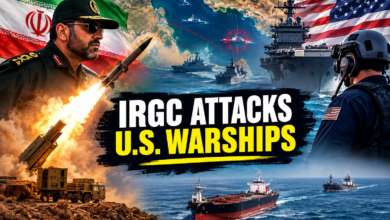
The diplomatic outreach comes after weeks of conflict that began earlier in 2026, involving not only Iran and the United States but also regional actors such as Israel and allied groups. Although a ceasefire has been in place since early April, the situation remains volatile, with both sides maintaining military readiness.
Pakistan’s Role as a Critical Mediator
Pakistan has emerged as a central diplomatic channel between Tehran and Washington. Acting as a neutral intermediary, Islamabad has been facilitating indirect communication, relaying proposals, and attempting to bridge gaps between the two adversaries.

Experts note that Pakistan’s involvement is strategic for several reasons:
- Its geographic proximity to the conflict zone
- Its diplomatic ties with both countries
- Its vested interest in regional stability and energy security
Pakistan has already played a role in earlier negotiations, helping broker a ceasefire and facilitating initial rounds of dialogue.
The country is now reportedly continuing its efforts by transmitting revised proposals and encouraging both sides to engage constructively.

Background: From Escalation to Ceasefire
The current diplomatic developments cannot be understood without examining the broader context of the conflict. The Iran–US confrontation escalated dramatically earlier this year, leading to:
- Military exchanges in the Gulf region
- A partial blockade of the strategically vital Strait of Hormuz
- Disruptions to global oil supply chains
The Strait of Hormuz, through which approximately 20% of the world’s oil supply passes, became a focal point of tension. Iran’s actions in restricting maritime traffic contributed to a surge in global oil prices and heightened economic uncertainty.
In response, the United States implemented countermeasures, including naval deployments and economic pressure, further intensifying the standoff.
The Significance of the New Proposal
Although details remain undisclosed, analysts believe the new Iranian proposal may focus on:
- De-escalation measures
- Maritime security and reopening shipping routes
- Frameworks for future negotiations
- Possible phased agreements
Earlier proposals reportedly emphasized reopening the Strait of Hormuz and establishing a ceasefire before addressing more contentious issues like nuclear development.
The latest initiative suggests that Iran may be willing to revisit negotiations under revised conditions, possibly reflecting internal and external pressures.
Economic Pressures Driving Diplomacy
One of the key factors influencing Iran’s decision to send a fresh proposal is the mounting economic strain caused by the conflict and ongoing sanctions.
Reports indicate that:
- Iran’s oil exports have been severely disrupted
- Inflation and unemployment have surged
- The national currency has weakened significantly
These challenges have intensified domestic pressure on Iranian leadership to seek a diplomatic resolution. At the same time, global markets have reacted strongly to the الأزمة, with fluctuations in oil prices affecting economies worldwide.
Challenges to a Breakthrough
Despite the renewed diplomatic effort, significant obstacles remain. The primary points of contention include:
1. Nuclear Program
The United States has consistently demanded that Iran limit or dismantle its nuclear program, particularly uranium enrichment activities. Iran, however, maintains that its program is for peaceful purposes and has resisted such demands.
2. Sanctions and Economic Relief
Iran seeks the lifting of economic sanctions as part of any agreement, while the US insists on compliance with international regulations before offering relief.
3. Regional Influence
The broader geopolitical rivalry, including Iran’s role in regional conflicts, continues to complicate negotiations.
These unresolved issues have previously led to the breakdown of talks and remain key hurdles in the current process.
Backchannel Diplomacy: A Quiet but Crucial Tool
The use of mediators like Pakistan highlights the importance of backchannel diplomacy in resolving high-stakes conflicts. Direct negotiations between Iran and the United States have been limited due to political sensitivities and mutual distrust.
Through intermediaries, both sides can:
- Exchange proposals without public pressure
- Test potential compromises
- Maintain dialogue even during conflict
Such indirect communication has historically played a critical role in international diplomacy, especially in situations where formal talks are difficult.
Global Implications of the Negotiations
The outcome of these negotiations will have far-reaching consequences beyond the Middle East.
Energy Markets
Any agreement that ensures the safe passage of oil through the Strait of Hormuz could stabilize global energy prices.
Regional Stability
A successful deal could reduce tensions across the Gulf region and prevent further escalation involving multiple countries.
International Relations
The negotiations could reshape alliances and influence global diplomatic dynamics, particularly in relation to major powers.
Mixed Signals from Both Sides
While the submission of a new proposal indicates a willingness to engage, both Iran and the United States have sent mixed signals regarding their intentions.
Iranian officials have emphasized that negotiations will not yield quick results, suggesting a cautious approach. Meanwhile, US leadership has maintained pressure, including the possibility of renewed military action if diplomacy fails.
This dual approach—combining diplomacy with strategic pressure—reflects the complex nature of the situation.
International Community Watching Closely
Countries around the world are closely monitoring the developments, given their potential impact on global stability. Nations such as Saudi Arabia, Japan, and the United Kingdom have shown interest in supporting diplomatic efforts and encouraging dialogue.
International organizations and policymakers are urging both sides to prioritize peaceful resolution and avoid actions that could escalate the conflict further.
A Fragile Opportunity for Peace
The current moment represents both a challenge and an opportunity. The ceasefire has created a window for diplomacy, but it remains fragile and could collapse if negotiations fail.
The fresh proposal from Iran may serve as a starting point for renewed talks, but its success will depend on:
- Willingness from both sides to compromise
- Effective mediation by Pakistan and other actors
- Continued international support for peace efforts
Our Media Opinion: A Critical Turning Point
Iran’s decision to send a new proposal for negotiations with the United States through Pakistani mediators underscores the ongoing efforts to navigate one of the most complex geopolitical crises of recent times.
While the path to a comprehensive agreement remains uncertain, the move signals that diplomacy is still alive, even amid conflict and tension. The coming weeks will be crucial in determining whether this initiative leads to meaningful progress or becomes another missed opportunity in a long history of strained relations.
For now, the world watches as cautious diplomacy unfolds—balancing hope for peace with the reality of deep-rooted disagreements.