


Marking a New Era in Green Rail Transport
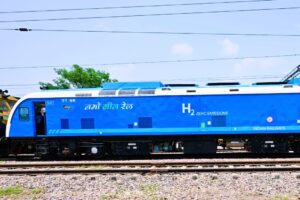
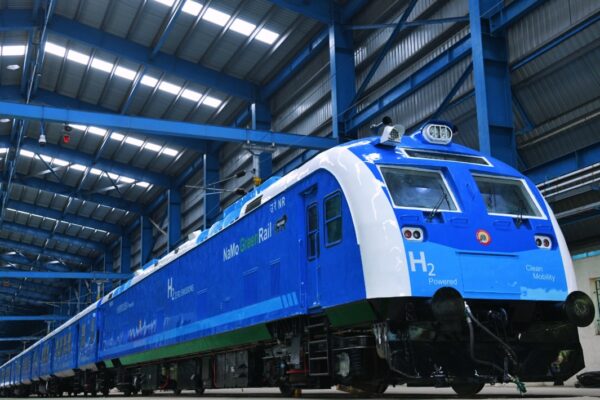
New Delhi/Chandigarh: India is preparing to achieve a major milestone in sustainable transportation with the launch of its first hydrogen-powered train, expected to begin operations from Haryana. The project represents a significant step in the modernization of Indian Railways and reflects the country’s commitment to adopting clean energy technologies while reducing carbon emissions.
The hydrogen-powered train is being introduced as an environmentally friendly alternative to conventional diesel locomotives. Using advanced hydrogen fuel cell technology, the train generates electricity through a chemical reaction between hydrogen and oxygen, producing only water vapour and heat as by-products. Unlike diesel engines, the system emits virtually no carbon dioxide, making it one of the cleanest forms of rail transport.
A Milestone for Green Mobility
The launch forms part of Indian Railways’ broader Green Railway Initiative, aimed at promoting sustainable mobility and reducing dependence on fossil fuels. Officials believe the hydrogen train project will pave the way for a cleaner, more energy-efficient railway network while supporting India’s long-term climate commitments.
As the country continues to modernize its transportation infrastructure, hydrogen technology is expected to play an increasingly important role, particularly on routes where full electrification is not yet economically or technically feasible.

How Hydrogen Fuel Cell Technology Works
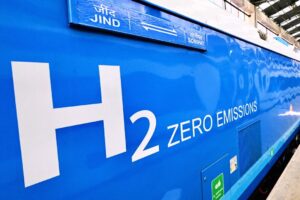
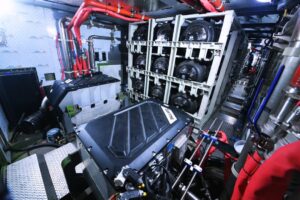
Unlike traditional diesel locomotives, hydrogen-powered trains do not burn fuel directly. Instead, hydrogen stored onboard reacts with oxygen inside fuel cells to generate electricity.
The electricity powers the train’s electric motors, while the only emissions released into the atmosphere are water vapour and heat. This significantly reduces greenhouse gas emissions and improves environmental sustainability.
Environmental Benefits
The introduction of hydrogen-powered rail transport is expected to deliver several environmental advantages, including:

- Near-zero carbon emissions during operation.
- Significant reduction in air pollution compared to diesel-powered trains.
- Lower noise pollution due to quieter electric propulsion systems.
- Improved energy efficiency and reduced dependence on fossil fuels.
- Support for India’s national clean energy and climate goals.
Indian Railways’ Future Vision
Indian Railways plans to gradually expand the use of hydrogen-powered trains across suitable routes in the coming years. The technology is particularly attractive for non-electrified or partially electrified railway sections where diesel locomotives are still in operation.
Railway officials believe that successful implementation of the first hydrogen train will create a roadmap for introducing similar services across other regions of the country.
Boost to ‘Make in India’
The hydrogen train project is also expected to strengthen the Government of India’s Make in India and Atmanirbhar Bharat (Self-Reliant India) initiatives by encouraging indigenous manufacturing, engineering innovation, and technological development in the clean energy sector.
Domestic production of hydrogen-related technologies could reduce reliance on imported technologies while enhancing India’s industrial capabilities.
Economic and Employment Opportunities
Experts believe that the growth of hydrogen-powered transportation could generate new employment opportunities across multiple sectors, including:
- Green hydrogen production
- Fuel cell manufacturing
- Railway engineering
- Infrastructure development
- Maintenance and technical services
- Research and innovation
The emerging hydrogen economy may also encourage private investment and technological collaboration.
India Joins a Select Group of Nations
Countries such as Germany and China have already introduced hydrogen-powered passenger trains. With this initiative, India is moving toward joining the select group of nations adopting hydrogen technology for railway transportation.
Successful deployment could strengthen India’s global standing in sustainable transport innovation.
Energy Security and Sustainability
The expansion of green hydrogen production within India could reduce dependence on imported fossil fuels and improve long-term energy security. As renewable energy capacity grows, hydrogen is expected to become an increasingly important component of India’s clean energy transition.
Challenges Ahead
Despite its promising future, hydrogen rail technology also presents several challenges:
- High production costs of green hydrogen.
- Safe storage and transportation of hydrogen fuel.
- Development of dedicated refuelling infrastructure.
- Higher initial investment compared to conventional railway systems.
- Scaling production while maintaining affordability.
Addressing these challenges will be crucial for widespread adoption.
Interesting Facts About Hydrogen
Hydrogen is the lightest and most abundant element in the universe. One kilogram of hydrogen contains approximately 33 kilowatt-hours (kWh) of energy, making it one of the most energy-dense clean fuels available for transportation applications.
A Historic Step for Indian Railways
The launch of India’s first hydrogen-powered train represents far more than the introduction of a new railway service. It symbolizes the country’s transition toward cleaner technology, sustainable infrastructure, and environmentally responsible transportation.
If the project proves successful, hydrogen-powered trains could gradually replace diesel locomotives on many non-electrified routes, making India’s railway network cleaner, quieter, more energy-efficient, and better aligned with the nation’s vision of achieving net-zero carbon emissions in the coming decades.