

DRDO and Indian Army Sign Joint Working Arrangement to Accelerate Development
New Framework to Strengthen Institutional Collaboration Among DRDO
 war-times.com
Send an email
28 August 2026
war-times.com
Send an email
28 August 2026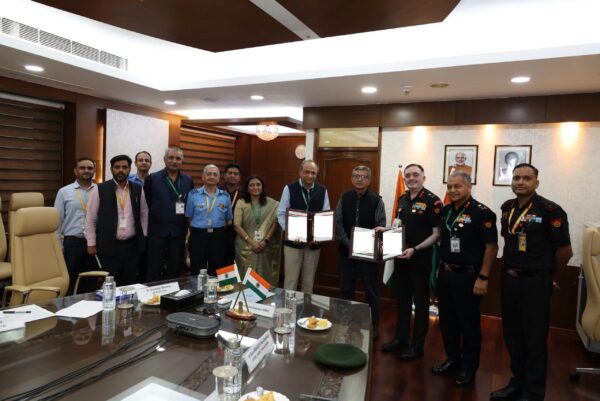
New Delhi I Special Correspondent: In a significant step towards strengthening India’s indigenous defence technology ecosystem, the Defence Research and Development Organisation (DRDO) and the Indian Army have signed a Joint Working Arrangement (JWA) aimed at accelerating the development of futuristic military technologies.
The arrangement, signed on 25 August 2026, seeks to bring together the capabilities and expertise of DRDO, the Indian Army, industry and academia to support the development of advanced technologies for future military requirements. The initiative is intended to create a stronger institutional mechanism through which technological ideas, research capabilities and operational requirements can be brought together more effectively.
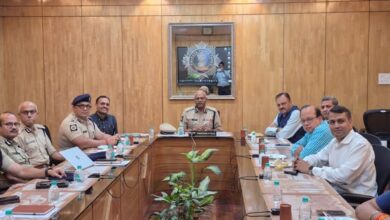
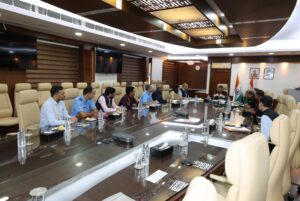
The Joint Working Arrangement was signed between the Director General, Technology Management, DRDO, and the Director General, Military Operations, Integrated Headquarters of the Ministry of Defence (Army). The signing ceremony was attended by the Defence Secretary, the Secretary, Department of Defence Research and Development (DDR&D) and Chairman, DRDO, highlighting the importance attached to closer coordination between the country’s defence research establishment and the Armed Forces.
Institutionalising Collaboration Between DRDO and Indian Army
At the heart of the new arrangement is the institutionalisation of collaboration between the F&T Cell of the Indian Army and the Directorate of Futuristic Technology Management of DRDO through Defence Innovation and Advanced Technology Centres of Excellence (DIA-CoEs).
The framework is expected to provide a structured platform for closer engagement between the operational requirements of the Indian Army and the technological capabilities available within DRDO, academia and industry.

For modern armed forces, technological preparedness is increasingly dependent on the ability to identify emerging requirements, develop appropriate solutions and translate research into usable military capabilities. The JWA is designed to strengthen this connection by establishing a more institutionalised mechanism for cooperation.
Rather than treating research and military requirements as separate processes, the arrangement seeks to bring the relevant stakeholders closer together. This includes scientists and technology specialists from DRDO, operational representatives of the Indian Army, researchers from academic institutions and technology developers from industry.
Focus on Futuristic Military Technologies
The central objective of the Joint Working Arrangement is to accelerate the development of futuristic military technologies.

The nature of future warfare is increasingly shaped by technological advancement. Military capabilities are no longer dependent only on conventional platforms and equipment. Advanced research, emerging technologies, digital capabilities and innovative systems are becoming increasingly important in determining the preparedness of armed forces.
Against this background, the collaboration between DRDO and the Indian Army is intended to provide a stronger foundation for addressing future technological requirements.
The arrangement brings together two important elements of the defence ecosystem. The Indian Army provides operational understanding and insight into military requirements, while DRDO provides a research and development framework for technological solutions. The involvement of industry and academia can further expand the pool of expertise and innovation available for such efforts.
The initiative therefore represents a collaborative approach in which technological development can be connected more closely with the requirements of the Armed Forces.
Bringing Research and Operational Requirements Closer
One of the important aspects of the JWA is its emphasis on institutional collaboration.
Defence technology development requires a clear understanding of what the Armed Forces need and how research and technology can address those requirements. At the same time, scientists and researchers need opportunities to understand operational challenges and develop solutions that are relevant to real-world military applications.
The new arrangement is intended to strengthen this interaction.
Through collaboration between the F&T Cell of the Indian Army and the Directorate of Futuristic Technology Management of DRDO, the framework can provide a mechanism for closer communication and coordination.
The role of DIA-CoEs is particularly significant within this institutional structure. These centres provide a platform for bringing together different stakeholders involved in advanced defence technology and innovation.
By strengthening the link between operational requirements and research capabilities, the arrangement seeks to support a more coordinated approach to futuristic technology development.
Role of Industry and Academia
The JWA is not limited to cooperation between the Indian Army and DRDO. It specifically seeks to bring industry and academia into the broader framework.
India’s defence technology ecosystem includes research organisations, universities, academic institutions, technology companies and other stakeholders. Their collective expertise can contribute to the development of innovative solutions for emerging military requirements.
Academic institutions can contribute research capabilities, specialised knowledge and scientific expertise, while industry can support technological development and the transition of promising concepts towards practical applications.
The involvement of these stakeholders also creates the possibility of greater interaction between scientific research and defence requirements.
The arrangement therefore reflects an ecosystem-based approach to defence technology development, where innovation is not viewed as the responsibility of a single institution but as a collaborative effort involving multiple stakeholders.
Strengthening India’s Indigenous Defence Technology Ecosystem
The agreement comes in the broader context of India’s efforts to strengthen indigenous defence capabilities.
Developing advanced military technologies requires sustained research, institutional cooperation and close interaction between users and technology developers. A structured arrangement between the Indian Army and DRDO can help strengthen this ecosystem by establishing a defined mechanism for collaboration.
The JWA’s focus on futuristic technologies also highlights the importance of preparing for future defence requirements rather than concentrating exclusively on existing capabilities.
For the Armed Forces, technological preparedness involves anticipating emerging challenges and ensuring that research and development efforts remain aligned with future operational needs. For the defence research community, close engagement with military users provides a better understanding of the practical requirements that technology must address.
The new arrangement seeks to strengthen this relationship.
Importance of DIA-CoEs
The Defence Innovation and Advanced Technology Centres of Excellence, or DIA-CoEs, form an important component of the institutional mechanism outlined under the JWA.
The arrangement institutionalises collaboration between the Indian Army’s F&T Cell and DRDO’s Directorate of Futuristic Technology Management through these centres.
The centres can serve as important platforms for interaction among researchers, military personnel, academic institutions and industry stakeholders.
Such institutional platforms are particularly relevant in areas where defence technology requires multidisciplinary expertise. Future military technologies can involve several fields of research and development, making cooperation among different specialists increasingly important.
By creating a structured environment for interaction, the DIA-CoE framework can support greater coordination between those who identify operational requirements and those who work on technological solutions.
A Collaborative Model for Future Defence Preparedness
The signing of the Joint Working Arrangement also represents a collaborative model for defence preparedness.
The Indian Army remains the primary user of technologies developed for its operational requirements. DRDO, meanwhile, has a central role in defence research and development. Industry and academia contribute additional expertise, innovation and research capabilities.
The JWA seeks to bring these capabilities closer together.
Such cooperation can help create a more integrated pathway from the identification of future requirements to technological research and development.
The precise technologies and projects to be taken forward under the arrangement have not been detailed in the information available for this report. However, the stated objective is clear: to accelerate the development of futuristic military technologies through greater collaboration among the Armed Forces, DRDO, industry and academia.
Importance of Faster Technology Development
The ability to develop and introduce new technologies in a timely manner is an important component of modern military preparedness.
Technological development can involve multiple stages, including identifying requirements, conducting research, developing concepts, testing technologies and ultimately moving suitable solutions towards military application.
Institutional coordination can help strengthen communication throughout this process.
The Joint Working Arrangement is therefore significant not simply because it establishes cooperation between two organisations, but because it seeks to create a more structured approach to collaboration.
The involvement of senior officials from the Ministry of Defence and DRDO at the signing ceremony further underlines the strategic importance attached to the initiative.
Connecting Scientists With Military Users
A major strength of such collaboration is the potential to bring scientists and military users closer together.
Operational personnel understand the challenges faced in the field, while scientists and technologists possess the expertise required to explore possible technological solutions.
When these perspectives are brought together at an early stage, research can be better aligned with practical requirements.
The JWA’s institutional mechanism involving the F&T Cell and the Directorate of Futuristic Technology Management is intended to facilitate this connection.
The approach can also provide opportunities for industry and academia to understand defence requirements and contribute their capabilities within the broader framework.
Creating a Wider Innovation Ecosystem
The participation of industry and academia is important because advanced defence technology increasingly depends on a wide range of scientific and technological capabilities.
Universities and research institutions can contribute fundamental research and specialised expertise. Industry can provide technological development capabilities and practical implementation experience. DRDO can contribute its defence research infrastructure and expertise, while the Armed Forces can provide operational requirements and user perspectives.
The JWA seeks to bring these components together.
This ecosystem approach can potentially make the process of defence technology development more collaborative and responsive.
It also reflects the growing importance of partnerships in developing technologies that may require expertise from multiple disciplines and institutions.
Significance for the Indian Army
For the Indian Army, the arrangement provides a more institutionalised framework for engagement with DRDO’s futuristic technology management structure.
Military requirements are continuously evolving, and the ability to communicate these requirements effectively to research organisations is essential for developing appropriate technological solutions.
Through the JWA, the Army’s F&T Cell will collaborate with DRDO’s Directorate of Futuristic Technology Management through DIA-CoEs.
The framework is therefore expected to support closer interaction between operational requirements and technology development.
However, the information released for the arrangement does not specify individual projects, timelines or particular technologies that will be developed under the JWA. These details would be necessary to assess the specific technological outcomes of the collaboration.
Significance for DRDO
For DRDO, closer interaction with the Indian Army provides an opportunity to strengthen the connection between its research and development efforts and the requirements of the Armed Forces.
Futuristic technology development requires not only scientific research but also an understanding of the operational environment in which technologies may eventually be used.
Institutionalised cooperation can facilitate this exchange of information and expertise.
The involvement of DIA-CoEs provides another layer to this collaboration by bringing industry and academia into the technology development ecosystem.
A Step Towards Future-Ready Defence Capabilities
The signing of the JWA should therefore be viewed as an important institutional step towards strengthening India’s future defence technology capabilities.
The arrangement does not represent the completion of any particular military technology project. Instead, it establishes a collaborative framework intended to accelerate the development process.
Its significance lies in bringing together the different parts of the defence innovation ecosystem.
The Indian Army brings operational requirements, DRDO contributes research and development capabilities, academia provides scientific expertise, and industry contributes technology and innovation capabilities. The JWA seeks to connect these elements through a structured mechanism.
Looking Ahead
The effectiveness of the Joint Working Arrangement will ultimately depend on how successfully the institutional framework is translated into concrete research and development outcomes.
Future progress would be reflected in the identification of priority technologies, closer interaction among stakeholders, development of innovative solutions and the eventual availability of technologies that meet the requirements of the Armed Forces.
For now, the signing of the arrangement establishes a formal foundation for this process.
The initiative also demonstrates the importance of sustained cooperation between India’s defence research establishment and its Armed Forces at a time when technological innovation is becoming increasingly important to national security.
Conclusion
The Joint Working Arrangement signed between DRDO and the Indian Army on 25 August 2026 marks a significant step towards strengthening institutional cooperation for the development of futuristic military technologies.
By bringing together DRDO, the Indian Army, industry and academia, the initiative seeks to create a more integrated and collaborative defence technology ecosystem.
The arrangement institutionalises cooperation between the F&T Cell of the Indian Army and the Directorate of Futuristic Technology Management of DRDO through DIA-CoEs, providing a structured platform for closer engagement.
The participation of the Defence Secretary and the Secretary, DDR&D and Chairman, DRDO at the signing ceremony reflects the importance given to the initiative.
While specific projects and technologies under the arrangement have not been disclosed in the information available, its broader objective is to accelerate technological development and strengthen India’s preparedness for future military requirements.
In an era in which technological innovation is increasingly central to defence preparedness, closer coordination between military users, research organisations, academic institutions and industry can play an important role.
The new JWA provides an institutional foundation for that collaboration and represents another step towards building a technology-driven, innovation-oriented and future-ready Indian defence ecosystem.
war-times.com
Send an email
28 August 2026