

Iran Uses the Strait of Hormuz as Strategic Leverage in High Stakes Negotiations
By Samir Singh 'Bharat': Editor In Chief
 war-times.com
Send an email
18 April 2026
war-times.com
Send an email
18 April 2026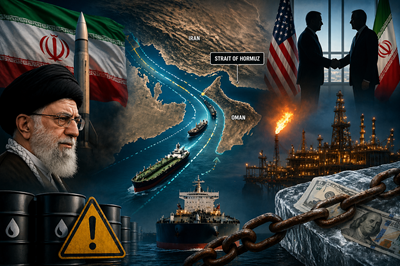
WAR-REPORT : Tensions in the Middle East have once again intensified as Iran seeks to use its geographic advantage over the Strait of Hormuz as a tool to extract concessions from the United States. This narrow but vital maritime corridor, through which a significant portion of the world’s oil supply passes, has long been a focal point of geopolitical competition. Recent developments suggest that Iran is attempting to turn its control over this critical passage into a bargaining chip in broader negotiations that include nuclear policy, economic sanctions, and regional security.
According to recent reports, Iran has proposed a conditional arrangement that would allow ships to pass safely through the Omani side of the Strait without interference. However, this proposal is tied to a set of demands directed at the United States. These demands include guarantees against future military conflict, the lifting of sanctions, and the release of frozen Iranian financial assets. Iran has also linked maritime access to a broader expectation that both the United States and Israel would permanently cease military strikes against Iranian targets.
While this proposal may appear to be a gesture toward de escalation, its underlying implications are far more complex. By offering conditional access to a vital shipping route, Iran is signaling that it retains the ability to disrupt global trade if its demands are not met. This strategy reflects a broader pattern in which Tehran uses its geographic and strategic assets to influence international negotiations.
The Strategic Importance of the Strait of Hormuz
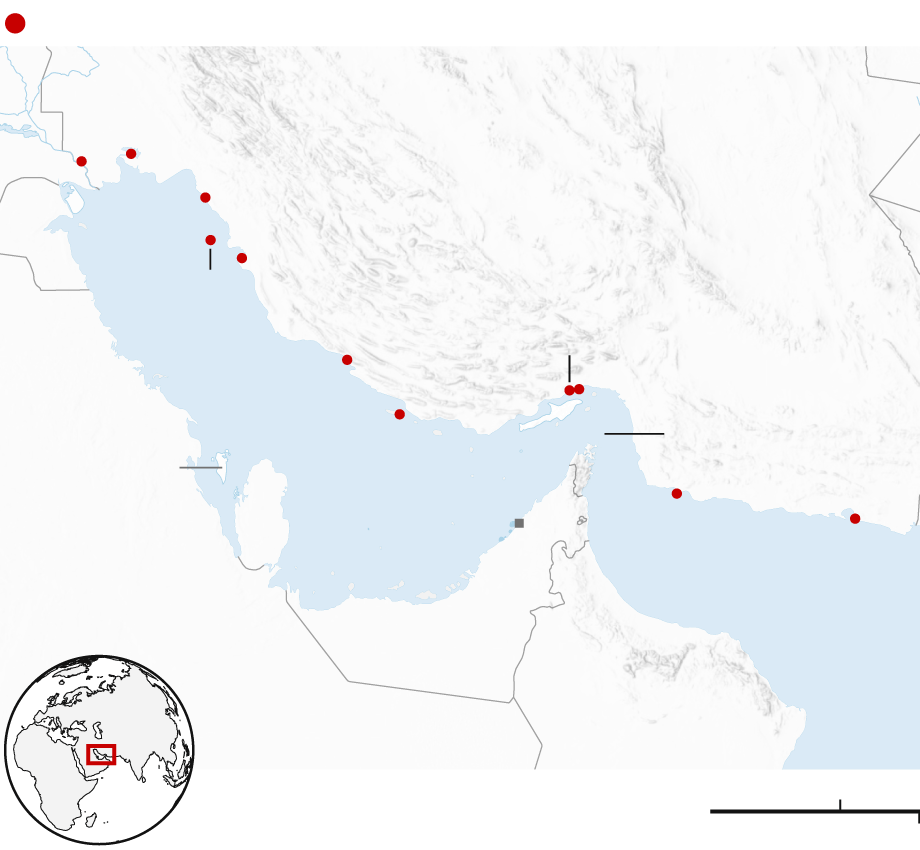
The Strait of Hormuz is one of the most critical chokepoints in the global energy supply chain. Located between Iran and Oman, it serves as the primary route for oil exports from the Persian Gulf to international markets. Any disruption in this waterway can have immediate and far reaching consequences for global energy prices and economic stability.
Iran’s position along the northern edge of the Strait gives it significant influence over maritime traffic. While international law guarantees the right of passage through such waterways, Iran has repeatedly demonstrated its ability to threaten or disrupt shipping in times of heightened tension. This capability makes the Strait a powerful tool in Iran’s strategic arsenal.

By proposing conditional access through the Omani side of the Strait, Iran is attempting to frame itself as both a gatekeeper and a negotiator. On one hand, it offers the possibility of stability and safe passage. On the other hand, it implicitly warns that failure to meet its demands could result in increased risks for commercial shipping.
Linking Maritime Access to Broader Negotiations
Iran’s current strategy goes beyond maritime security. The country has explicitly linked access to the Strait of Hormuz with a range of broader political and economic issues. Among the most significant of these is the demand to unfreeze Iranian funds that have been held abroad due to international sanctions.
In addition, Iran is seeking long term assurances that it will not face military action from the United States or Israel. This includes both an end to current hostilities and a commitment to avoid future strikes. By tying these demands to the issue of maritime access, Iran is effectively using the Strait as leverage to achieve objectives that extend far beyond the immediate context of shipping security.

This approach reflects a calculated effort to maximize negotiating power. By combining multiple issues into a single framework, Iran increases the stakes for all parties involved. Any agreement on maritime access would therefore require concessions on a wide range of interconnected topics.
The Nuclear Issue as a Central Obstacle
Despite ongoing discussions, the most significant barrier to a comprehensive agreement remains Iran’s nuclear program. The United States has consistently emphasized the need to limit or eliminate Iran’s ability to enrich uranium, particularly at high levels. This issue has been at the center of negotiations for many years and continues to be a major point of contention.
Reports indicate that the United States has proposed a long term pause on uranium enrichment, potentially lasting up to twenty years. In contrast, Iran has suggested a much shorter pause of three to five years. This difference highlights the gap between the two sides and underscores the difficulty of reaching a compromise.
Another key issue is the handling of Iran’s existing stockpile of enriched uranium. The United States has called for the complete removal of highly enriched uranium from Iranian territory. Iran, however, has proposed alternative solutions, such as reducing the enrichment level or transferring only part of the stockpile to another country.
These proposals raise concerns about the potential for rapid re escalation. If Iran retains even a portion of its highly enriched uranium, it could theoretically resume enrichment activities at a much faster pace. This possibility complicates efforts to establish a durable and verifiable agreement.
Conflicting Positions Within Iran
Adding to the complexity of the situation is the apparent lack of unity within Iran’s leadership. Different factions appear to hold varying views on how to approach negotiations with the United States. Some sources suggest that Iran is willing to make limited concessions, while others indicate a more rigid stance.
Media outlets associated with the Islamic Revolutionary Guard Corps have denied reports suggesting that Iran has softened its position. These outlets have also expressed skepticism about the prospects for successful negotiations, citing distrust of the United States and concerns about excessive demands.
This internal division makes it more difficult for Iran to present a consistent negotiating position. It also raises questions about the country’s ability to implement any agreements that may be reached. Without a unified strategy, even well structured deals could face challenges during theاfinal phase.
The Role of External Mediators
Efforts to bridge the gap between Iran and the United States have involved the participation of third party mediators. Reports suggest that a mediator from Pakistan has made some progress in addressing particularly difficult issues. However, these efforts have not yet resulted in a breakthrough on the core issue related to the nuclear program.
The involvement of mediators highlights the complexity of the negotiations. It also reflects the broader international interest in preventing further escalation. A stable agreement would not only benefit the parties directly involved but also contribute to regional and global stability.
Risks of Escalation
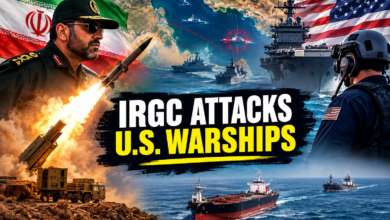
The current situation carries significant risks. If negotiations fail, Iran could choose to increase pressure by targeting or threatening commercial shipping in the Strait of Hormuz. Such actions would likely provoke a strong response from the United States and its allies, potentially leading to a broader conflict.
At the same time, any agreement that appears to reward coercive behavior could set a dangerous precedent. If Iran succeeds in securing major concessions through the use of strategic pressure, it may be encouraged to use similar tactics in the future.
This dilemma places policymakers in a difficult position. They must balance the need to avoid immediate conflict with the long term goal of preventing coercive strategies from becoming normalized.
Strategic Implications
The use of the Strait of Hormuz as a negotiating tool reflects a broader shift in how geopolitical power is exercised. Rather than relying solely on military force, states are increasingly using economic and geographic leverage to achieve their objectives.
For Iran, this approach offers a way to compensate for its relative military limitations. By controlling access to a critical global resource, it can exert influence far beyond its borders. For the United States and its allies, this presents a challenge that requires a combination of diplomatic, economic, and military responses.
Our Media Opinion
Iran’s efforts to leverage its position over the Strait of Hormuz represent a complex and high stakes strategy that intertwines maritime security, nuclear policy, and regional politics. By linking access to this vital waterway with a wide range of demands, Iran is attempting to reshape the terms of engagement with the United States.
At the same time, deep disagreements over uranium enrichment and the future of Iran’s nuclear program continue to hinder progress. Internal divisions within Iran further complicate the situation, making it difficult to achieve a unified and consistent approach to negotiations.
As talks continue, the outcome will have far reaching implications not only for the Middle East but also for global economic stability. The challenge for all parties involved is to find a path that addresses immediate concerns while laying the foundation for a more stable and predictable future.
war-times.com
Send an email
18 April 2026