

Jai Prakash Narayan Bird Sanctuary Becomes the Nation’s 100th Ramsar Site
India Reaches a Landmark
 Samir Singh 'Bharat'-Editor-in-Chief
Send an email
5 June 2026
Samir Singh 'Bharat'-Editor-in-Chief
Send an email
5 June 2026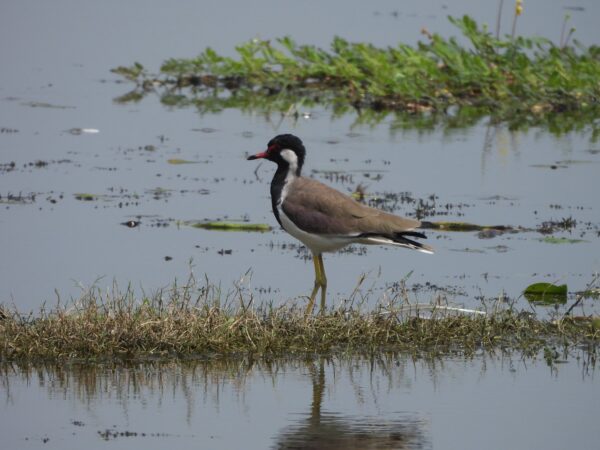
New Delhi-Ballia: India has achieved a major milestone in environmental conservation with the designation of the Jai Prakash Narayan Bird Sanctuary (Surha Tal) in Uttar Pradesh’s Ballia district as the country’s 100th Ramsar Site. The recognition marks a significant achievement in India’s ongoing efforts to protect wetlands, preserve biodiversity, and promote sustainable environmental management.
The announcement highlights India’s growing commitment to safeguarding ecologically sensitive wetland ecosystems that play a vital role in maintaining environmental balance, supporting wildlife habitats, and strengthening climate resilience.
A Historic Milestone for Wetland Conservation
The inclusion of Jai Prakash Narayan Bird Sanctuary in the prestigious Ramsar List represents a landmark moment in India’s environmental journey. Ramsar Sites are wetlands recognized internationally under the Ramsar Convention on Wetlands, an intergovernmental treaty aimed at conserving and ensuring the sustainable use of wetlands across the world.
With this latest addition, India has now reached the significant milestone of 100 Ramsar Sites, reflecting decades of conservation efforts undertaken by governments, local communities, scientists, environmental organizations, and citizens.
Environmental experts describe the achievement as evidence of India’s increasing focus on ecological sustainability and biodiversity conservation amid rising environmental challenges.

Ecological Importance of Surha Tal
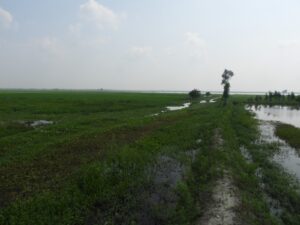
Located in Ballia district of Uttar Pradesh, the Jai Prakash Narayan Bird Sanctuary, commonly known as Surha Tal, is one of the most important freshwater wetlands in the region.
The wetland serves as a crucial habitat for a diverse range of aquatic species and bird populations. Every year, thousands of migratory birds travel vast distances from Central Asia, Siberia, Europe, and other regions to spend the winter season in the sanctuary.
Its rich ecosystem supports:

- Migratory waterfowl
- Resident bird species
- Aquatic plants
- Freshwater fish
- Amphibians
- Reptiles
- Invertebrates
The wetland acts as a natural breeding and feeding ground for numerous species, making it a critical biodiversity hotspot.
Paradise for Bird Lovers
Surha Tal has long been recognized among ornithologists and birdwatchers as one of eastern Uttar Pradesh’s most important avian habitats.
The sanctuary hosts numerous migratory and resident birds, including:
- Northern Pintail
- Gadwall
- Common Teal
- Bar-headed Goose
- Eurasian Wigeon
- Purple Heron
- Painted Stork
- Black-necked Stork
- Various species of egrets, ducks, and kingfishers
The arrival of migratory birds every year transforms the wetland into a vibrant ecological landscape, attracting researchers, photographers, and eco-tourists from across the country.
Experts note that healthy bird populations are indicators of a healthy wetland ecosystem, making the sanctuary’s biodiversity especially valuable.
Why Wetlands Matter
Wetlands are among the world’s most productive ecosystems. They provide numerous environmental and economic benefits that are often overlooked.
Some of their key functions include:
Flood Control
Wetlands absorb excess rainfall and help reduce the impact of floods by acting as natural sponges.
Water Purification
They filter pollutants, sediments, and contaminants from water, improving overall water quality.
Groundwater Recharge
Wetlands help replenish underground water reserves that communities depend upon for drinking water and agriculture.
Climate Regulation
They store significant amounts of carbon and contribute to climate change mitigation.
Biodiversity Support
Wetlands provide habitats for thousands of plant and animal species, many of which are endangered or threatened.
Livelihood Generation
Millions of people depend on wetlands for fishing, agriculture, tourism, and other economic activities.
Conservationists emphasize that protecting wetlands is not only about preserving wildlife but also about safeguarding human well-being.
India’s Growing Ramsar Network
India’s Ramsar journey has accelerated significantly over the past decade.
While the country had only a limited number of internationally recognized wetlands for many years, recent efforts have led to a remarkable increase in Ramsar-designated sites across multiple states and union territories.
The growth reflects stronger policy support, scientific assessments, conservation programs, and community participation initiatives.
Today, Ramsar Sites can be found in diverse ecological regions, including:
- Himalayan wetlands
- Coastal lagoons
- Mangrove ecosystems
- Floodplain lakes
- Freshwater marshes
- Riverine wetlands
- High-altitude wetlands
These protected areas collectively support millions of birds, animals, and plant species.
Community Participation Driving Success
One of the most important aspects of India’s wetland conservation strategy has been the increasing involvement of local communities.
Environmental programs now encourage:
- Community-based monitoring
- Sustainable fishing practices
- Eco-tourism initiatives
- Awareness campaigns
- Scientific documentation
- Wetland restoration projects
Local residents often serve as the first line of protection against encroachment, pollution, and illegal activities that threaten wetland ecosystems.
Experts believe that long-term conservation success is only possible when local communities become active stakeholders in protecting natural resources.
Science and Technology Strengthening Conservation
Modern technology is playing an increasingly important role in wetland management across India.
Authorities are utilizing:
- Satellite mapping
- Geographic Information Systems (GIS)
- Remote sensing technologies
- Biodiversity databases
- Water quality monitoring systems
- Artificial intelligence-based environmental assessments
These tools help scientists track ecological changes, identify threats, monitor wildlife populations, and develop effective conservation strategies.
The integration of scientific research with policy planning has significantly improved wetland management across the country.
Challenges Facing Wetlands
Despite major achievements, wetlands continue to face numerous challenges.
These include:
Urban Expansion
Rapid urbanization often leads to encroachment and destruction of wetland habitats.
Pollution
Industrial waste, agricultural runoff, and untreated sewage can severely damage wetland ecosystems.
Climate Change
Rising temperatures, changing rainfall patterns, and extreme weather events affect water availability and ecological balance.
Invasive Species
Non-native plants and animals can disrupt natural habitats and threaten local biodiversity.
Unsustainable Resource Use
Overfishing, excessive water extraction, and unregulated development can weaken wetland ecosystems.
Environmentalists stress that Ramsar designation must be accompanied by effective management and protection measures to address these challenges.
Economic Benefits of Wetland Conservation
Protecting wetlands also creates significant economic opportunities.
Healthy wetlands support:
- Fisheries
- Agriculture
- Tourism
- Birdwatching
- Educational activities
- Research initiatives
In regions such as Ballia, improved conservation efforts may boost eco-tourism and generate additional livelihood opportunities for local communities.
Experts note that investing in wetland conservation often provides returns far greater than the cost of restoration and protection.
A Global Recognition
Ramsar designation places Surha Tal among the world’s most important wetlands and enhances its international visibility.
The recognition can attract:
- Global conservation partnerships
- Research collaborations
- Technical expertise
- Sustainable tourism opportunities
- International funding support
It also reinforces India’s position as an active participant in global environmental conservation efforts.
Looking Ahead
The designation of Jai Prakash Narayan Bird Sanctuary as India’s 100th Ramsar Site is more than a numerical achievement. It symbolizes the country’s broader commitment to environmental stewardship and sustainable development.
As ecological challenges continue to grow worldwide, the protection of wetlands has become increasingly important for biodiversity conservation, climate resilience, and human well-being.
The success of Surha Tal demonstrates how scientific management, government support, and community participation can work together to preserve valuable natural ecosystems.
With 100 Ramsar Sites now under its belt, India stands at an important point in its conservation journey. The challenge ahead will be to ensure that these wetlands remain healthy, resilient, and protected for future generations.
The recognition of Jai Prakash Narayan Bird Sanctuary serves as both a celebration of progress and a reminder of the responsibility to safeguard the nation’s rich natural heritage for decades to come.