


It was a moment of pride and deep reflection to be present in Gangtok, the vibrant capital of Sikkim, on the occasion of the closing ceremony of the 50th Statehood Day celebrations. This landmark event not only marked five decades of Sikkim’s integration as a full-fledged state of India but also celebrated its extraordinary journey of growth, harmony, and resilience. The atmosphere in Gangtok was electric, filled with enthusiasm, cultural pride, and a strong sense of unity among the people.
Gangtok Comes Alive for Sikkim’s 50th Statehood Celebration
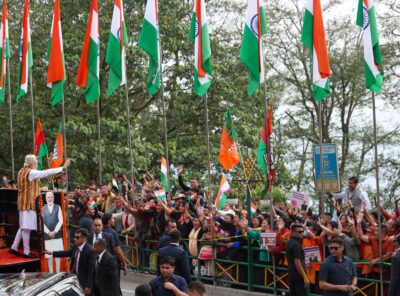
The visit began with a grand roadshow through the heart of the city. Streets were lined with thousands of people—young and old, locals and visitors—who came out in large numbers to participate in the celebrations. Their energy was contagious. Traditional music echoed through the hills, colorful attire reflected the rich cultural diversity of Sikkim, and every face carried a sense of pride. The roadshow was not just a ceremonial procession; it was a living expression of the people’s connection with their land and their shared history.
As the procession moved through the scenic roads of Gangtok, it became evident how deeply rooted the spirit of unity and peace is in this state. Sikkim, despite its relatively small size, stands as a powerful example of coexistence. Different communities, languages, and traditions have flourished together here, creating a unique social fabric that many larger regions struggle to achieve. This harmony is not accidental—it is the result of conscious efforts by the people and leadership over the years.

The 50th Statehood Day is more than just a milestone; it is a reminder of how far Sikkim has come since becoming the 22nd state of India in 1975. Over the past five decades, the state has made remarkable progress in areas such as education, healthcare, tourism, and environmental conservation. Sikkim is widely recognized as India’s first fully organic state, a title that reflects its commitment to sustainable development and ecological balance. This achievement alone sets it apart as a model for the rest of the country.

During the closing ceremony, there was a strong emphasis on celebrating not just the past but also the future. Leaders and citizens alike reflected on the journey of transformation—how a once remote Himalayan region has emerged as a symbol of progress and innovation. Infrastructure has improved significantly, connectivity has expanded, and opportunities for the youth have increased. Yet, despite modernization, Sikkim has managed to preserve its natural beauty and cultural heritage, which is no small feat in today’s rapidly changing world.
The people of Sikkim deserve immense credit for this balance. Their discipline, environmental awareness, and community-driven approach have played a crucial role in shaping the state’s identity. Whether it is maintaining cleanliness, promoting tourism responsibly, or supporting local traditions, the citizens have consistently shown a strong sense of responsibility. This is something many other regions can learn from—progress doesn’t have to come at the cost of culture or nature.
Another striking aspect of the visit was the warmth and affection shown by the people. Their smiles, greetings, and participation in the celebrations reflected genuine hospitality. This wasn’t staged or forced—it was natural. That matters. In many places, public events feel artificial, but here the connection between the people and the occasion was real. It showed that the celebrations were not just organized by authorities but truly owned by the citizens.

The cultural performances during the closing ceremony were a highlight. They showcased Sikkim’s diverse traditions, from folk dances to music that tells stories of the land and its people. Each performance carried meaning—it wasn’t just entertainment. It was history, identity, and pride expressed through art. This is something often overlooked: culture isn’t decoration; it’s the foundation of a society’s identity.
At the same time, the event also served as a platform to discuss future goals. Sikkim is at an interesting point—it has achieved a lot, but the next phase will be more challenging. Sustaining growth while preserving the environment, creating jobs for the youth, and adapting to global changes will require strategic thinking. Celebrations are good, but they should not lead to complacency. If anything, a 50-year milestone should push the state to aim higher, not relax.

The road ahead demands sharper planning, better execution, and continued public participation. Tourism, for example, is a major strength of Sikkim, but unmanaged growth could damage the very beauty that attracts visitors. Similarly, while organic farming is a success, scaling it sustainably and ensuring economic benefits for farmers remains a challenge. These are not problems to ignore—they need direct, practical solutions.
The visit to Gangtok was not just about attending a ceremony; it was about witnessing a state that has managed to do many things right. But let’s not exaggerate—Sikkim is not perfect. No place is. The real value lies in understanding what works here and applying those lessons elsewhere, while also addressing the gaps that still exist.
Our Media Opinion, being part of the 50th Statehood Day closing ceremony in Gangtok was both inspiring and thought-provoking. It highlighted the achievements of Sikkim, the strength of its people, and the importance of unity and sustainable development. The grand roadshow, the cultural celebrations, and the overwhelming public participation all reflected a state that takes pride in its journey.
The gratitude expressed towards the people is well deserved. Their blessings and affection are not just gestures—they are indicators of trust. And trust is something that must be earned continuously, not assumed. If Sikkim continues on this path—balancing growth with responsibility—it will not just celebrate milestones but set benchmarks for others to follow.