

Middle East Conflicts Enter a More Dangerous Phase as Regional Tensions Deepen
Iran-Israel hostilities, renewed U.S. military actions, and widening regional flashpoints raise fears of prolonged instability across the Middle East

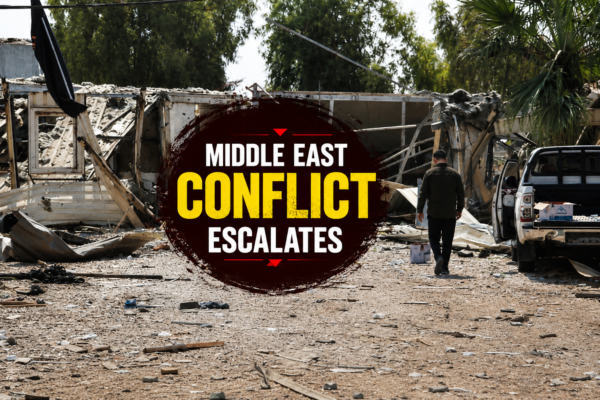
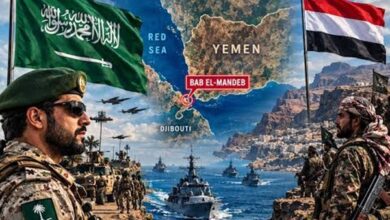
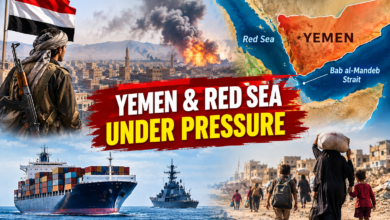
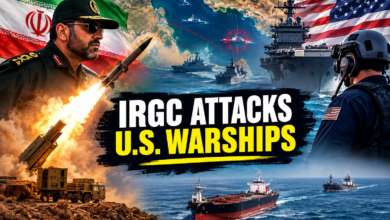
War-Report : International Desk | The Middle East is witnessing a new and increasingly volatile chapter as multiple regional conflicts begin to overlap, raising concerns among global security experts that the region could be entering one of its most dangerous periods in recent years. What initially began as a confrontation between the United States, Israel, and Iran has gradually expanded into a broader geopolitical crisis affecting Gulf nations, regional trade routes, and neighboring countries.
According to the latest assessment by the International Crisis Group (ICG), the temporary pause in hostilities has effectively ended, with renewed military and political tensions threatening to destabilize an already fragile region.
Conflict Expands Beyond Iran and Israel
The conflict, which entered its sixth month, has evolved far beyond direct military exchanges between Iran and Israel. Military operations, diplomatic confrontations, proxy conflicts, and economic disruptions have increasingly become interconnected, creating a complex regional security challenge.
Analysts warn that the conflict is no longer confined to one battlefield but is instead spreading across multiple theatres in the Middle East.
This widening confrontation has drawn several Gulf Arab countries into heightened security preparedness while increasing fears of broader regional instability.

Temporary Calm Comes to an End
For a brief period, hopes of reducing tensions emerged following the 18 June U.S.-Iran Memorandum of Understanding, which temporarily lowered the risk of direct military confrontation.
However, that diplomatic breakthrough proved short-lived.
Subsequent disagreements reportedly led to the collapse of the understanding, resulting in renewed uncertainty.

Further developments followed on 24 July, when U.S. President Donald Trump announced the suspension of a military campaign that had been initiated after the agreement’s breakdown. While that decision briefly suggested a possible return to diplomacy, the latest developments indicate that the period of relative calm has ended.
Growing Risks Across Multiple Fronts
Security experts believe that several interconnected conflicts are now unfolding simultaneously.
These include:
- Rising tensions involving Iran and Israel.
- Increased involvement of external military powers.
- Regional proxy conflicts.
- Maritime security concerns.
- Political instability affecting neighboring countries.
Rather than isolated crises, these developments increasingly influence one another, making diplomatic resolution significantly more difficult.
Strategic Importance of the Strait of Hormuz
One of the most significant consequences of the ongoing conflict has been its impact on commercial shipping through the Strait of Hormuz, one of the world’s most important maritime trade routes.
The waterway serves as a critical passage for international energy supplies and commercial cargo.
Disruptions in this strategic corridor have already affected shipping patterns and heightened concerns within global energy markets.
Although commercial movement has not completely stopped, uncertainty surrounding maritime security continues to influence regional trade.
Gulf Countries Face Increasing Pressure
Countries across the Gulf have found themselves increasingly affected by the deteriorating security environment.
Although many regional governments continue to advocate diplomatic solutions, they also face growing pressure to strengthen national security, protect critical infrastructure, and prepare for potential escalation.
Military readiness across several Gulf nations has reportedly increased amid fears that broader regional confrontation could directly affect their national interests.
Regional Instability Creates Global Concerns
The consequences of escalating Middle East tensions extend well beyond the region itself.
International observers warn that prolonged instability could influence:
- Global energy markets.
- International shipping.
- Investment flows.
- Regional humanitarian conditions.
- Diplomatic relations among major world powers.
Because of the Middle East’s strategic geographic location, developments there often have worldwide economic and political implications.
Diplomacy Becoming Increasingly Difficult
One of the major concerns highlighted by analysts is the shrinking space available for diplomatic engagement.
As military actions expand and political distrust deepens, opportunities for constructive dialogue become increasingly limited.
Experts argue that sustained communication channels between regional actors remain essential if wider conflict is to be avoided.
Without diplomatic engagement, the possibility of accidental escalation also increases significantly.
International Crisis Group Calls for De-escalation
The International Crisis Group has emphasized that reducing tensions across every conflict theatre should become an immediate international priority.
According to the organization, isolated ceasefires or temporary pauses may no longer be sufficient unless accompanied by broader political dialogue addressing the underlying regional disputes.
The organization believes coordinated diplomatic efforts involving regional and international stakeholders remain the most viable path toward preventing further escalation.
Complex Security Environment
Observers note that today’s Middle East security landscape differs considerably from previous regional crises.
Instead of one dominant conflict, several interconnected disputes are unfolding simultaneously.
These overlapping crises create a security environment where developments in one country can rapidly influence events elsewhere.
This interconnected nature makes crisis management considerably more challenging for governments and international organizations alike.
Economic Implications Continue to Grow
Businesses operating throughout the Middle East remain concerned about the long-term economic impact of sustained instability.
Uncertainty surrounding transportation routes, insurance costs, logistics, and investor confidence has already affected several sectors.
International markets continue monitoring developments closely because prolonged regional instability could influence global commodity prices and supply chains.
Calls for Coordinated International Response
Security specialists argue that preventing further escalation will require coordinated international diplomacy rather than isolated national responses.
Greater cooperation among regional governments, global institutions, and major powers may become necessary to reduce tensions and encourage political dialogue.
Analysts caution that continued military escalation without parallel diplomatic initiatives could further complicate efforts to restore regional stability.
Outlook Remains Uncertain
While diplomatic channels remain open, the overall security outlook for the Middle East remains highly uncertain.
The combination of military confrontation, political mistrust, strategic competition, and economic pressure continues to create a volatile environment.
Observers believe that the coming weeks will be crucial in determining whether regional actors choose renewed diplomacy or continued confrontation.
For now, the International Crisis Group warns that the expanding nature of these interconnected conflicts makes urgent de-escalation across all theatres essential to reducing the risk of a wider regional crisis.