

Bahujana Sena demands reinstatement of SC/ST Cell DSPs statewide
By Doruvu Paul Jagan Babu: Assistant Chief Editor

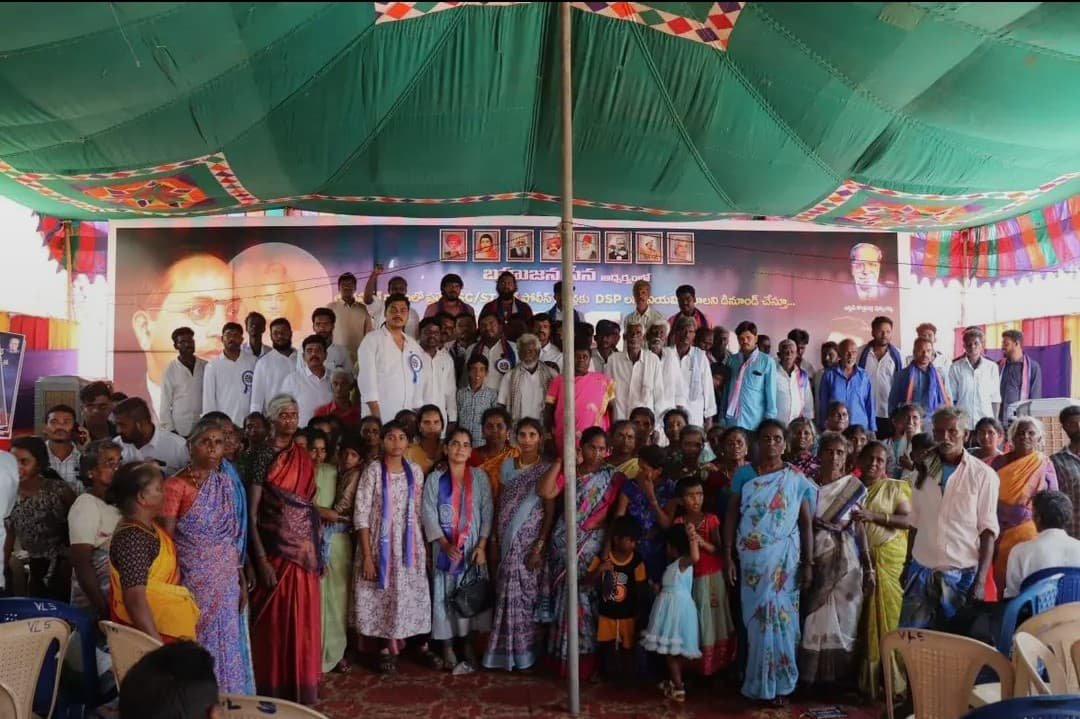
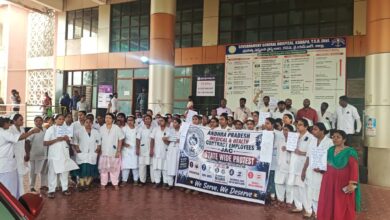
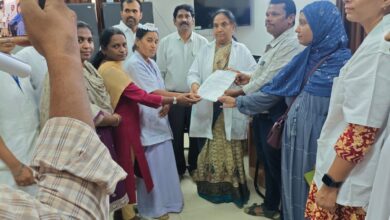
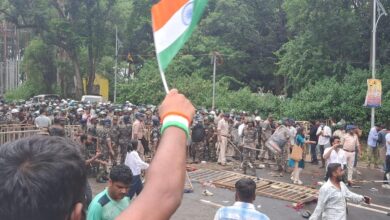
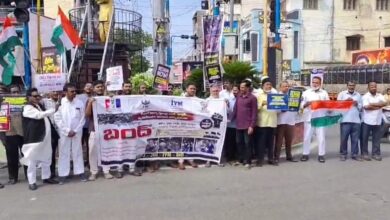
Vijayawada / Chittoor: The Bahujana Sena staged a successful mahadharna (massive protest) at Dharna Chowk in Vijayawada on Monday, demanding immediate reinstatement of Special DSPs in SC/ST Cells across Andhra Pradesh, citing growing delays and injustice in atrocity case investigations.
From Chittoor to Vijayawada: Protest gathers momentum
Following the statewide call by Bahujana Sena State President Srichandu, protestors from Chittoor began their journey on Sunday and reached Gandhi Nagar Dharna Chowk near Alankar Talkies in Vijayawada on Monday, where the mass protest took place.
Special cells vital for justice to the marginalized
Addressing the gathering, Srichandu highlighted the crucial role SC/ST Cells played in protecting victims and ensuring timely justice. Set up in 2014, these police cells were supported by dedicated DSPs who oversaw:

Protection of SC/ST victims during investigations
Prompt arrests of accused
Filing of charge sheets
Timely relief to victims
He emphasized that these cells served as a lifeline for oppressed communities seeking justice.
Scrapping of DSP posts called a setback

In 2024, before the elections, 98 DSP positions in SC/ST Cells were reportedly abolished. Chandu called this an “irreparable injustice” that undermined the protection mechanisms for vulnerable communities. With general DSPs now handling atrocity cases along with other duties, he said the priority and speed of investigations have significantly declined.
Key demand: Restore SC/ST Cell DSPs across Andhra Pradesh
The Bahujana Sena urged the Andhra Pradesh government to:
Immediately restore SC/ST Cell DSP positions
Ensure all districts have dedicated officers for atrocity cases
Reinstate the system that protected SC/ST victims and upheld timely legal processes.