

Iran Tightens Control Over Strait of Hormuz, Oil Prices Rise Amid Tensions 2026
By Samir Singh 'Bharat': Editor In Chief
 war-times.com
Send an email
10 April 2026
war-times.com
Send an email
10 April 2026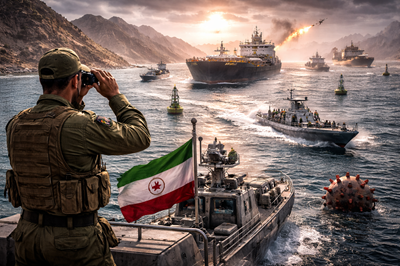
WAR-REPORT : Iran has begun implementing a series of calculated measures to exert greater control over maritime traffic through the Strait of Hormuz, a move that is already having visible effects on global oil markets. These actions appear to be part of a broader strategic effort to maintain elevated oil prices, increase economic pressure on the United States, and strengthen Iran’s bargaining position in ongoing diplomatic negotiations.
Strategic Importance of the Strait of Hormuz
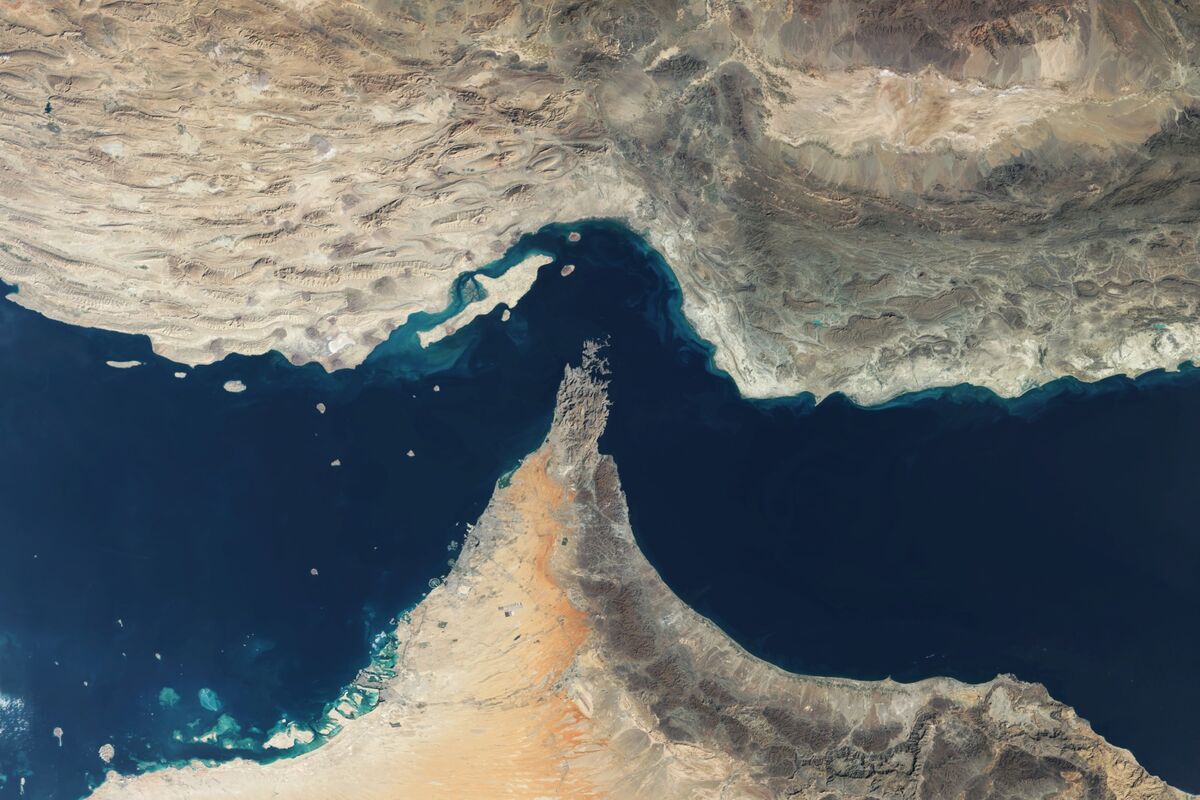
The Strait of Hormuz is one of the most critical maritime chokepoints in the world. A significant percentage of global oil exports pass through this narrow waterway, making it essential to the stability of international energy markets. Any disruption or restriction in traffic can lead to immediate fluctuations in oil prices and ripple effects across global economies.
Iran’s geographic location along the northern coast of the strait gives it a unique ability to influence maritime operations. Historically, Tehran has used this advantage as leverage during periods of heightened tension. However, recent developments suggest that Iran is now pursuing a more structured and controlled approach rather than relying on sudden disruptions.
Limiting Vessel Traffic
One of the most significant reported measures is Iran’s decision to limit the number of vessels transiting the strait. According to a senior Iranian source, the country is allowing no more than 15 vessels per day during the current ceasefire period. While this figure has not been independently verified, it represents a substantial reduction compared to normal levels of maritime traffic.
By imposing such restrictions, Iran effectively creates a bottleneck in global oil supply chains. Even a partial limitation can lead to delays, increased transportation costs, and tighter supply conditions, all of which contribute to rising oil prices. This controlled restriction allows Iran to influence global markets without resorting to a complete shutdown of the strait, which would likely provoke a stronger international response.

Establishing Controlled Maritime Routes
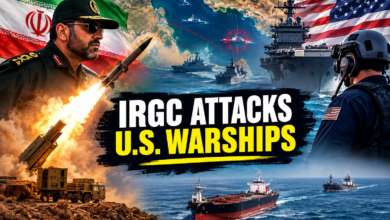
Iran has also introduced new navigation guidelines for vessels passing through the strait. The Iranian Ports and Maritime Organization has issued instructions requiring ships to follow designated entry and exit routes under the coordination of the Islamic Revolutionary Guards Corps Navy.
These routes guide ships through waters that are effectively under Iranian control. This shift has several implications. It increases Iran’s oversight of maritime activity, reinforces its authority over navigation in the strait, and creates a system in which international shipping must rely on Iranian coordination to ensure safe passage.
The guidance also includes warnings about potential hazards outside the designated routes, including the risk of naval mines. Iran Previous reports from Western officials have suggested that Iranian mines may be present in the area. Whether or not these mines are actively deployed, the perception of risk is enough to influence the behavior of shipping companies and insurers.

Leveraging Perceived Risk
The introduction of potential maritime hazards plays a crucial role in Iran’s strategy. By raising concerns about safety outside approved routes, Iran encourages compliance with its directives. This approach allows Tehran to maintain control without directly blocking access, reducing the likelihood of immediate escalation while still achieving its objectives.
Shipping companies are highly sensitive to risk, particularly in regions with strategic importance. Increased insurance costs, longer transit times, and uncertainty all contribute to higher operational expenses. These costs are often passed on to global markets, further supporting higher oil prices.
Impact on Global Oil Markets
Iran’s actions are already contributing to upward pressure on oil prices. Reduced traffic, increased uncertainty, and the perception of risk all combine to tighten supply conditions. Even minor disruptions in a critical chokepoint like the Strait of Hormuz can have significant effects on global energy markets.
Higher oil prices benefit Iran in multiple ways. They increase the value of its own exports, strengthen its economic position, and create indirect pressure on major energy-consuming countries, including the United States. This economic leverage can be used to influence negotiations and push for concessions.
Strategic Objectives Behind the Policy
Iran’s approach reflects a broader strategic calculation. Rather than relying solely on military actions, Tehran is using economic and logistical tools to achieve its اهداف. Several key objectives can be identified.
First, Iran aims to strengthen its negotiating position. By demonstrating its ability to influence global energy markets, it signals that it retains significant leverage despite external pressures.
Second, Iran seeks to maintain long-term control over the strait. Statements from senior officials indicate that Tehran views the current measures as part of a “new phase” in managing the waterway, suggesting that these policies may continue beyond the immediate conflict.
Third, Iran is attempting to shape the post-conflict environment. By establishing systems of control now, it can influence future arrangements related to maritime security and trade.
Developments in Diplomatic Negotiations
At the same time, diplomatic efforts between the United States and Iran are continuing. U.S. officials have confirmed that Iran has submitted a revised proposal that will serve as the basis for upcoming negotiations. President Donald Trump described the proposal as a “workable basis,” indicating that there is potential for progress.
Iran’s earlier proposal included a wide range of demands, including guarantees against future military action, recognition of its nuclear program, lifting of sanctions, and financial compensation. These demands were widely seen as ambitious, but recent reports suggest that Iran has softened some of its positions.
Adjustments to demands related to nuclear policy, military presence, and reparations indicate a willingness to engage in compromise. However, significant differences remain, particularly regarding regional issues and the scope of any ceasefire.
Disagreements Over Regional Conflicts
One of the main points of disagreement is the inclusion of other regional conflicts in the negotiations. Iran has insisted that any agreement must address all fronts, including ongoing military operations in Lebanon. In contrast, the United States has treated these issues as separate from its bilateral discussions with Iran.
This difference reflects broader strategic priorities. Iran views regional conflicts as interconnected and believes that a comprehensive approach is necessary for lasting stability. The United States, however, is focusing on more limited objectives within the scope of its negotiations.
Statements from Iranian Leadership
Iranian leaders have reinforced their position through public statements. President Masoud Pezeshkian has indicated that continued military actions in other areas undermine the credibility of negotiations. Similarly, senior officials have emphasized that any meaningful agreement must address the full range of regional tensions.
These statements highlight Iran’s intention to maintain a firm stance while still engaging in diplomacy. By combining assertive actions with negotiation efforts, Tehran is attempting to balance pressure with dialogue.
Broader Implications
Iran’s strategy has implications that extend beyond the immediate context. By asserting control over a critical global chokepoint, it is influencing not only regional dynamics but also international economic conditions.
Other countries may respond by increasing their naval presence in the region or seeking alternative routes and supply chains.
At the same time, Iran’s actions could shape future discussions about maritime governance and security. The current situation may lead to new frameworks or agreements aimed at ensuring stability in critical waterways.
Our Media Opinion
Iran’s efforts to control maritime traffic through the Strait of Hormuz represent a sophisticated and multi-dimensional strategy. By combining traffic restrictions, route management, and risk signaling, Tehran is exerting influence over global oil markets while strengthening its position in negotiations with the United States.
These actions demonstrate a shift from reactive tactics to a more structured approach that integrates economic, strategic, and diplomatic elements. While the situation remains fluid, it is clear that the Strait of Hormuz will continue to play a central role in shaping both regional and global developments.
As negotiations progress, the balance between pressure and diplomacy will determine the outcome. Iran’s ability to leverage its geographic and economic advantages will remain a key factor in this evolving geopolitical landscape.
war-times.com
Send an email
10 April 2026