


Kolar Gold Mines: A Golden Legacy Lost in the Depths
Special Report by Samir Kr. Singh: Editor-In-Chief

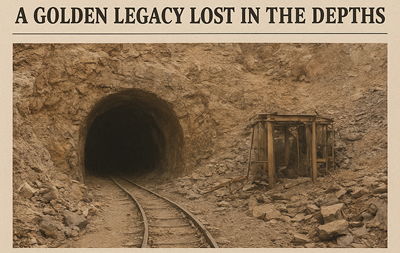
Kolar, Karnataka : Karnataka’s Kolar Gold Fields (KGF), once known as the “Little England of India,” was once among the deepest and most productive gold mines in the world. For over a century, these mines not only contributed to India’s economy but also shaped the social, cultural, and political fabric of the region. Today, KGF stands silent—a ghost town of closed shafts, abandoned machinery, and memories of a glorious era, with debates still raging over its closure, its lost wealth, and the possibility of revival.
This in-depth report explores the history, rise, decline, and the long-standing impact of the Kolar Gold Mines, which remain etched in the collective memory of India.

A Historical Treasure
The history of gold mining in Kolar dates back more than 2,000 years. References to gold extraction in the region are found in ancient texts and folklore. Historians note that during the Mauryan Empire (3rd century BCE) and later under the Chola Dynasty, gold was mined in Kolar. Archaeological evidence suggests that rudimentary mining activities existed even during the pre-historic period, with traces of ancient smelting techniques.
However, modern large-scale mining began in the late 19th century, when British prospectors revived old mining shafts. In 1880, John Taylor & Sons, a British mining firm, officially established Kolar Gold Fields, transforming the barren rocky land into one of the richest gold mining centers in Asia.

The Golden Era (1880–1956)
Kolar Gold Fields soon grew into a thriving township. At its peak, the mines extended over 800 square kilometers, with more than 30 major mining shafts plunging as deep as 3 kilometers below the surface—making them some of the deepest mines in the world at the time.
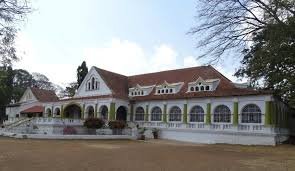
The British administration invested heavily in infrastructure. KGF became the first town in Asia to receive electricity in 1902, supplied by the nearby hydroelectric plant at Shivanasamudra. This technological advancement symbolized progress and prosperity, giving rise to the nickname “Little England,” as the colony resembled European settlements with clubs, churches, theaters, and bungalows.
Thousands of workers, mainly from Tamil Nadu, Andhra Pradesh, and Karnataka, were employed. The workforce endured grueling conditions, working underground in hot, humid, and dangerous environments. Yet, KGF became a melting pot of cultures, with Anglo-Indian communities playing a significant role in mining operations and lifestyle.

By the mid-20th century, KGF was producing over 95% of India’s gold output, generating massive revenue for the colonial government and later for independent India.
Transition to Indian Control
After independence in 1947, the mines were nationalized in 1956 and placed under the control of Bharat Gold Mines Limited (BGML), a public sector enterprise. Initially, the mines continued to be productive, but the challenges of deep mining, rising operational costs, outdated machinery, and fluctuating global gold prices began eroding profitability.
Decline and Closure
By the 1970s and 1980s, the Kolar Gold Mines were in crisis. The shafts had gone deeper than 3 kilometers, where temperatures were extremely high, and the cost of extracting ore far exceeded the returns. Gold deposits were depleting, and production sharply declined.
In 2001, after years of financial losses and lack of modernization, the Government of India decided to close down the mines. Around 30,000 workers and their families were directly affected, and the closure turned the once-bustling KGF township into a near-deserted colony.

The closure also raised questions about mismanagement. Critics argued that poor planning, corruption, and lack of investment in modern mining technologies sealed the fate of KGF, rather than natural exhaustion of resources. Some experts still believe that untapped reserves remain in the mines.
Socio-Economic Impact
The closure of KGF was devastating for local communities. Generations of families who had depended on the mines for livelihood were suddenly left unemployed. The township, once a symbol of modern living, deteriorated into neglect.
Key consequences included:
-
Mass Unemployment: Thousands of workers, both permanent and contract, lost their jobs. Many migrated to Bengaluru and other cities in search of labor work.
-
Ghost Town Effect: The once-vibrant colonial-era settlements fell silent. The clubs, theaters, and community centers became relics of the past.
-
Cultural Loss: The Anglo-Indian population, which had made KGF unique, gradually moved away, leading to cultural erosion.
-
Health Legacy: Generations of miners suffered from occupational diseases like silicosis, asthma, and other respiratory problems.
The human cost of closure remains a dark chapter in India’s industrial history.
Legal Battles and Privatization Efforts
After the closure, the fate of the Kolar Gold Mines entered into long legal disputes. The liquidation of Bharat Gold Mines Limited dragged on in courts for decades. Workers demanded pending salaries, pensions, and compensation.
Attempts to revive the mines through privatization were initiated several times. In 2010 and later in 2017, the government invited bids from private players. Global firms expressed interest, but legal hurdles and concerns over economic viability stalled the process.
As of the mid-2020s, the mines remain officially closed, though sporadic reports of illegal mining surface from time to time.
Environmental Impact
Over a century of mining left behind enormous environmental scars:
-
Mine Tailings: Millions of tons of mine waste dumped in open areas have polluted soil and groundwater.
-
Deforestation: Large tracts of land were stripped for mining and settlement.
-
Toxic Legacy: Cyanide and other chemicals used in ore processing left behind contamination hazards.
Environmental activists warn that KGF’s legacy includes not just lost wealth but also ecological damage that will take generations to repair.
The Legacy of KGF in Popular Culture
The story of KGF is deeply ingrained in Indian popular imagination. Literature, music, and films have portrayed its grandeur and decline. Most notably, the “KGF” film franchise (2018 and 2022) turned the abandoned mines into a cinematic legend. Though the films were fictionalized action dramas, they brought global attention back to the forgotten mining town.

Today, tourists and film enthusiasts often visit KGF to see its colonial buildings, abandoned shafts, and mining relics. While unsafe for deep exploration, the surface areas stand as open-air museums of India’s industrial heritage.
Can KGF Be Revived?
The big question remains—can Kolar Gold Mines be revived?
Arguments for Revival:
-
Unexploited Reserves: Geological surveys suggest that untapped gold reserves still exist, though in smaller quantities.
-
Rising Gold Prices: With global gold prices consistently high, revival could be economically feasible.
-
Employment Generation: A reopened mine could restore jobs in the region, uplifting thousands of families.
-
Technology: Modern deep-mining technologies could make extraction more efficient than in the past.
Arguments Against Revival:
-
High Costs: Deep mining remains extremely expensive, and India’s gold demand may not justify such investment.
-
Environmental Hazards: Reviving mining could worsen pollution and ecological damage.
-
Global Competition: Importing gold may remain cheaper than producing it locally.
-
Legal Disputes: Ongoing litigations and compensation claims remain unresolved.
Thus, the revival of KGF remains a dream hanging between nostalgia and economic reality.
Voices from KGF
Former miners often recall their golden days with a mix of pride and pain.
-
Ramakrishnan, a retired miner, recalls: “We worked in unbearable heat, crawling through tunnels, but we felt proud that we were digging India’s gold. The closure left us with nothing.”
-
Annie, daughter of an Anglo-Indian worker, remembers: “KGF was once like a European town—dance halls, clubs, cricket matches, Christmas celebrations. After the mines shut, it became a ghost town. We lost not just jobs but a way of life.”
These testimonies underline that the true legacy of KGF is not just in gold, but in the lives shaped and destroyed by it.
Lessons from KGF
The story of KGF offers important lessons for India’s industrial policy:
-
Need for Modernization: Dependence on outdated technologies doomed KGF. Continuous innovation is vital for long-term industrial survival.
-
Human-Centric Policy: Ignoring the welfare of workers created lasting socio-economic trauma.
-
Diversification: Towns built around a single industry face collapse when that industry dies.
-
Environmental Responsibility: Long-term ecological costs must be considered alongside short-term profits.
A Golden Past, an Uncertain Future
The Kolar Gold Mines remain one of India’s most fascinating industrial stories—of wealth, progress, struggle, decline, and abandonment. Once a jewel of the British Empire and later a proud asset of independent India, KGF today is a shadow of its former self.
While the world remembers KGF through nostalgic tales and blockbuster films, the local communities continue to live with the scars of closure. Whether the mines will ever reopen remains uncertain, but their legacy endures—reminding India of both the riches of its soil and the need to balance economic ambition with social and environmental responsibility.
In the end, the Kolar Gold Mines stand as a symbol: a golden dream that glittered once but now lies buried deep underground, waiting for history to decide whether it will shine again.