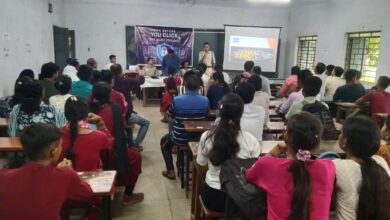




PUNE- India : The ASM CSR Summit and Awards 2025, a landmark event dedicated to advancing Corporate Social Responsibility (CSR) initiatives, concluded with great enthusiasm on January 21, 2025. Organized by the ASM Group of Institutes, this prestigious gathering brought together changemakers, industry leaders, NGOs, and students to celebrate impactful contributions and discuss transformative strategies in the realm of CSR.
The summit focused on nurturing socially responsible leadership, with an emphasis on empowering youth to actively participate in CSR initiatives during their college years. From engaging keynote speeches to thought-provoking panel discussions, the event provided a comprehensive platform for attendees to exchange ideas, share CSR best practices, and inspire action for a better tomorrow.

Inspiring the Next Generation of CSR Leaders
Delivering the welcome address, Dr. Sandeep Pachpande, Chairman of ASM Group of Institutes, highlighted the critical role of CSR in shaping a sustainable future. “At ASM Group, we believe that education extends beyond academics. Through platforms like the ASM CSR Summit, we aim to instill a socially responsible mindset among the youth, equipping them to align their skills with initiatives that create lasting societal impact. Today’s discussions and recognitions reaffirm our commitment to building leaders who drive change with purpose and compassion.”

This year’s theme, “Youth in Action: Cultivating a CSR Mindset in College,” resonated deeply with the audience. Panelists shared actionable strategies for integrating CSR principles into educational programs, providing students with opportunities to engage in real-world projects and CSR internships that create meaningful community impact. The CSR internship program was lauded as a practical way to integrate academic knowledge with actionable projects, empowering students to lead by example in addressing real-world challenges.

Keynote Address: Driving Transformative Change

The keynote address, “Driving Transformative Change: Aligning Purpose with Business Goals,” was delivered by Dr. Ravi Moro, from the Ministry of Science & Technology, Government of India. His speech emphasized the power of aligning business goals with community welfare, inspiring attendees to rethink CSR as a vehicle for both organizational growth and societal development.
Engaging Panel Discussions
Moderated by Sarang Gosavi, Founder-President of Aseem Foundation, the panel discussion brought together industry veterans and NGO leaders to explore how students can become active participants in CSR projects. The discussion was enriched by insights from panelists, including:
- Ganesh Thorat, CEO, NAAM Foundation
- Dr. Rajashree Joshi, Program Director, BAIF Development Research Foundation
- Ms. Leena Kurup, Head of Facilities Management, Globant Technologies
The dialogue emphasized the importance of volunteerism, project-based learning, and internships to cultivate a deeper understanding of community challenges and solutions among students.

A Youthful Vision: Aditi Pachpande’s Call for Action
One of the engaging moments of the summit was the inspiring address by Aditi Pachpande, the 14-year-old Co-founder of NextGenInnov8 and a dynamic young changemaker. Aditi brought a fresh and innovative perspective to the summit, urging individuals and organizations to cultivate a CSR mindset that drives meaningful social impact.
“Innovation, collaboration, and youth involvement are essential to building sustainable solutions that align with the broader goals of CSR,” Aditi emphasized during her address. She encouraged the audience to think beyond conventional approaches and actively engage in efforts to create a more inclusive and socially conscious world.
Aditi’s leadership in the innovation and entrepreneurship space is supported by her dedication to learning from prestigious global programs such as the Harvard Student Agencies’ Innovation and Entrepreneurship program, the Business, Innovation & Entrepreneurship program at Oxford University, and the Social Entrepreneurship program from Northwestern University. Currently pursuing a Wharton economics course, Aditi continues to equip herself with the tools needed to inspire impactful change.
Her passionate address left attendees motivated to embrace innovation and collaboration as key drivers of social change.
Recognizing Excellence in CSR
A key highlight of the summit was the presentation of the prestigious ASM CSR Awards 2025, honoring exceptional contributions that have driven positive change. The winners of the awards are:
- ASM CSR Impact Award 2025 – Aseem Foundation (accepted by Sarang Gosavi)
- ASM CSR NGO of the Year 2025 – Happy Indian Village (accepted by Ravi Bapatale)
- ASM CSR Leadership of the Year 2025 – Monisha Banerjee
- ASM CSR Impact Award 2025 – CREDAI Pune Metro (accepted by J.P. Shroff)
- ASM CSR NGO of the Year 2025 – Anudip Foundation
These awards stand as a testament to the unwavering dedication of individuals and organizations to creating meaningful societal impact.

Shaping the Future of CSR
The ASM CSR Summit and Awards 2025 provided attendees with valuable insights into emerging CSR trends, innovative practices, and strategies for aligning business goals with social impact. From networking opportunities to actionable takeaways, the event proved to be an invaluable platform for fostering collaboration and building a community of responsible leaders.
As the summit drew to a close, attendees left with a renewed commitment to driving positive change. With its emphasis on youth empowerment and actionable dialogue, the ASM CSR Summit and Awards 2025 has set the stage for a brighter, more socially responsible future.