


Venezuela Devastated by Powerful Earthquakes: At Least 32 Dead
Editorial : Over 700 Injured as Buildings Collapse Across Caracas
 war-times.com
Send an email
25 June 2026
war-times.com
Send an email
25 June 2026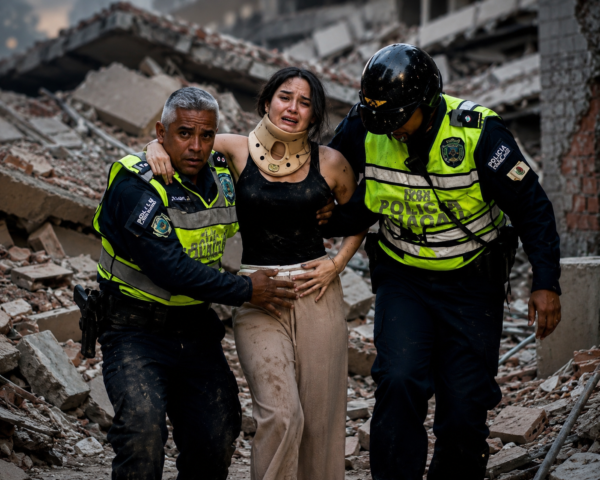
Caracas, Venezuela: Venezuela is facing one of its worst natural disasters in recent years after a series of powerful earthquakes struck the country, leaving at least 32 people dead and more than 700 injured. The seismic events caused widespread destruction across the capital city of Caracas and several neighboring regions, reducing buildings to rubble, disrupting essential services, and triggering panic among millions of residents.
Emergency response teams, military personnel, firefighters, and medical workers have been deployed across affected areas as authorities race against time to rescue people trapped under collapsed structures. Hospitals are overwhelmed with injured victims, while thousands of families have been forced to abandon their homes amid fears of further aftershocks.
Powerful Tremors Shake the Nation
According to preliminary reports from geological monitoring agencies, the strongest earthquake struck during a busy period of the day, catching residents off guard. Witnesses described violent shaking that lasted for several seconds, causing office buildings, residential apartments, schools, hospitals, and commercial complexes to sway dangerously.
People rushed into streets, parks, and open spaces as the ground trembled beneath them. Many residents reported hearing loud cracking sounds before several structures collapsed.
The main quake was followed by multiple aftershocks, increasing fear and complicating rescue operations.

Authorities are still assessing the exact magnitude and full extent of the disaster, but experts warn that aftershocks could continue for several days or even weeks.
Caracas Suffers Extensive Damage
The capital city of Caracas has emerged as one of the worst-hit locations.
Several multi-story residential buildings suffered severe structural damage, while older constructions in densely populated neighborhoods experienced partial or complete collapse. Roads cracked, utility lines snapped, and communication networks faced temporary disruptions.

Entire communities were left without electricity after power infrastructure sustained damage. Water supply systems were also affected in various districts, forcing residents to rely on emergency water distribution centers.
Satellite imagery and aerial assessments reveal extensive destruction in several parts of the city, with rescue crews working around the clock to locate survivors beneath debris.
Officials estimate that thousands of residents may have been displaced due to unsafe housing conditions.
Rising Death Toll Raises Concerns
The confirmed death toll has climbed to 32, but authorities fear the number could increase significantly as rescue teams continue to search collapsed buildings.
Many victims were reportedly trapped when residential structures collapsed during the earthquake. Others suffered fatal injuries from falling debris, shattered glass, and infrastructure failures.
Medical officials stated that several injured victims remain in critical condition, raising concerns that fatalities may rise in the coming days.
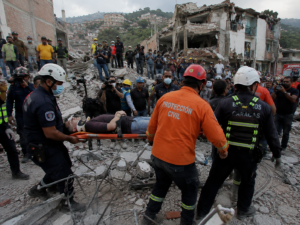
Emergency workers are prioritizing locations where people are believed to be trapped under rubble.
Specialized search-and-rescue dogs, thermal imaging equipment, and heavy machinery are being used to detect signs of life beneath collapsed structures.
More Than 700 People Injured
Health authorities confirmed that over 700 individuals have sustained injuries, ranging from minor cuts and fractures to life-threatening trauma.
Hospitals across Caracas and nearby regions have activated emergency protocols to manage the sudden influx of patients.
Medical teams are working extended shifts, while temporary treatment centers have been established to handle less severe cases.
Doctors report treating:
- Head injuries
- Fractures
- Crush injuries
- Internal bleeding
- Shock and trauma-related conditions
Blood donation campaigns have been launched nationwide to ensure sufficient medical supplies for ongoing treatment efforts.
Rescue Operations Continue Around the Clock
Search-and-rescue efforts remain the government’s top priority.
Teams consisting of firefighters, civil defense personnel, military units, and volunteers are conducting extensive operations across affected areas.
Heavy machinery is being carefully deployed to remove debris without endangering survivors who may still be trapped beneath collapsed buildings.
Officials report that several individuals have already been rescued alive from damaged structures, offering hope amid the tragedy.
However, rescue workers face significant challenges, including:
- Unstable buildings
- Continuous aftershocks
- Blocked roads
- Power outages
- Communication disruptions
Authorities have urged citizens to cooperate with emergency responders and avoid entering damaged structures.
Government Declares Emergency Measures
In response to the disaster, Venezuelan authorities have activated national emergency protocols.
Government agencies are coordinating disaster relief operations, including:
- Emergency shelter establishment
- Food distribution
- Medical assistance
- Infrastructure assessment
- Security deployment
Officials have appealed for calm while assuring citizens that all available resources are being mobilized.
Temporary shelters have been opened in schools, sports facilities, community centers, and public buildings to accommodate displaced residents.
Emergency supplies including blankets, food packages, drinking water, and medical kits are being distributed to affected families.
Infrastructure Damage Hampers Relief Efforts
The earthquakes caused extensive damage to critical infrastructure.
Several major roads and bridges suffered structural impacts, complicating transportation and emergency access.
Public transportation services faced disruptions as safety inspections were initiated across rail and bus networks.
Telecommunication providers reported temporary outages in some areas due to damaged equipment and power failures.
Utility companies are working to restore:
- Electricity
- Water supply
- Internet services
- Mobile communications
Engineers have begun inspecting government buildings, hospitals, schools, and transportation hubs to determine whether they remain safe for public use.
Economic Impact Expected to Be Significant
Economists warn that the disaster could have substantial economic consequences for Venezuela.
Damage to residential properties, businesses, transportation infrastructure, and public facilities is expected to result in billions of dollars in losses.
Commercial activities in many districts have been temporarily suspended as authorities assess safety conditions.
Small businesses, local markets, and manufacturing facilities have also reported extensive damage.
Insurance claims are expected to rise sharply, while reconstruction efforts may require significant financial resources over an extended period.
Analysts believe recovery could take months or even years depending on the scale of destruction ultimately confirmed by authorities.
Psychological Impact on Survivors
Beyond the physical destruction, mental health experts warn of significant psychological consequences.
Many survivors have experienced:
- Trauma
- Anxiety
- Fear of aftershocks
- Sleep disturbances
- Emotional distress
Children are considered particularly vulnerable following major natural disasters.
Counseling services and psychological support programs are being organized to assist affected families.
Mental health professionals emphasize that emotional recovery will be an important component of the overall rehabilitation process.
International Community Offers Support
Several countries and international humanitarian organizations have expressed solidarity with Venezuela following the disaster.
Messages of condolence and support have been sent by governments worldwide.
International aid agencies are reportedly preparing emergency assistance packages that may include:
- Medical supplies
- Search-and-rescue equipment
- Emergency shelters
- Food assistance
- Technical support
Disaster response experts from multiple nations have also indicated readiness to assist Venezuelan authorities if requested.
Scientists Monitor Aftershocks
Seismologists continue to closely monitor the region for aftershocks.
Experts explain that powerful earthquakes are frequently followed by numerous smaller tremors, some of which can still cause additional damage to weakened structures.
Residents have been advised to:
- Stay alert
- Follow official guidance
- Prepare emergency kits
- Avoid damaged buildings
- Monitor emergency broadcasts
Authorities have established emergency communication channels to provide regular updates and safety instructions.
Communities Show Resilience
Despite the devastation, stories of courage and solidarity are emerging from across Venezuela.
Neighbors have joined rescue efforts, volunteers are distributing food and water, and community organizations are helping displaced families find temporary shelter.
Many residents have opened their homes to those who lost everything, demonstrating remarkable resilience during a time of national tragedy.
Emergency workers continue to receive support from ordinary citizens who are assisting in relief operations wherever possible.
Long Road to Recovery Ahead
As rescue operations continue, Venezuela now faces the enormous challenge of rebuilding communities, restoring infrastructure, and supporting thousands of affected families.
The immediate focus remains on saving lives, treating the injured, and providing shelter to those displaced by the earthquakes.
However, reconstruction efforts will require long-term planning, substantial financial investment, and coordinated cooperation among government agencies, humanitarian organizations, and local communities.
For now, the nation mourns the lives lost while hoping that more survivors can be rescued from the rubble. The earthquakes have left deep scars across Caracas and surrounding regions, but they have also highlighted the resilience and determination of Venezuelans in the face of adversity.

war-times.com
Send an email
25 June 2026