


Asansol Durgapur Police Intensifies Cyber Safety Drive with Multi-Location Awareness Campaign
Cyber awareness programmes conducted across five police station areas educate students, parents, and teachers on digital safety, online fraud prevention,

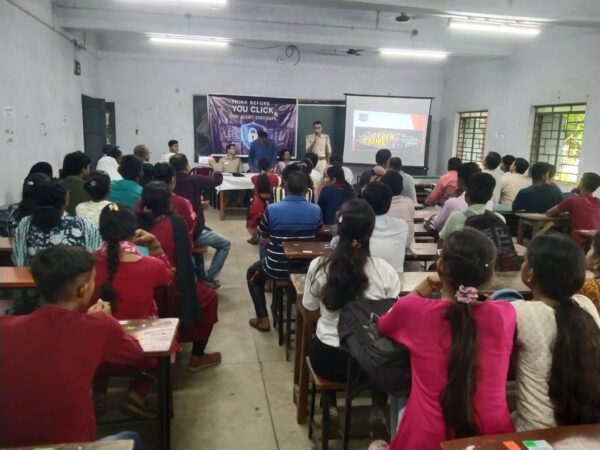
Asansol, West Bengal I Special Correspondent-Report : In a significant step toward strengthening digital security and creating a cyber-aware community, the Asansol Durgapur Police Commissionerate (ADPC) organized a series of Cyber Awareness Programmes across the jurisdictions of Chittaranjan, Kulti, Budbud, New Township (NTS), and Pandabeswar Police Stations. The initiative forms part of the Commissionerate’s ongoing mission to build a cyber-safe society by educating citizens about emerging cyber threats and promoting responsible online behaviour.
The awareness campaign brought together students, parents, teachers, educational institutions, community members, and local residents, highlighting the growing importance of cyber hygiene in an era where digital platforms have become an integral part of everyday life.
Police officials emphasized that cybercrime is no longer limited to large cities or corporate organizations. Today, anyone using smartphones, social media, digital banking, online shopping platforms, or internet-based communication services can become a potential target of cybercriminals. Therefore, public awareness remains the strongest and most effective defence against digital fraud.
Building a Cyber-Safe Society Through Awareness
Addressing the participants during the programmes, police officials explained that technological advancement has made life more convenient but has also opened new avenues for cybercriminals. Fraudsters are increasingly using fake websites, phishing emails, malicious links, fraudulent investment platforms, impersonation scams, OTP frauds, QR code scams, and social engineering techniques to deceive innocent people.
Officials stressed that while law enforcement agencies continuously strengthen cyber policing capabilities, preventing cybercrime requires active public participation and informed digital practices.

The awareness campaign was therefore designed not only to educate citizens but also to encourage them to become responsible digital users capable of identifying suspicious online activities before becoming victims.

Students Trained in Responsible Digital Behaviour
A major focus of the awareness programmes was educating school and college students, who spend a considerable amount of time on the internet for education, entertainment, and social networking.

During interactive sessions, students were sensitized on several important aspects of cyber safety, including:
- Safe internet browsing habits.
- Identifying suspicious websites.
- Verifying online requests before responding.
- Recognizing fake social media accounts.
- Protecting personal information online.
- Responsible use of social networking platforms.
- Avoiding cyberbullying and online harassment.
- Maintaining digital etiquette and privacy.
Police officials encouraged students to think critically before clicking on unknown links or downloading applications from unverified sources. They were also advised to avoid sharing personal photographs, location details, passwords, or confidential information with strangers over the internet.
The sessions emphasized that every digital action leaves an online footprint, making responsible internet usage essential for personal safety and reputation.
Parents and Teachers Given Practical Cyber Safety Guidance
Recognizing the crucial role played by parents and educators in protecting young internet users, dedicated awareness sessions were conducted for teachers and guardians.
Officials explained how cybercriminals often target families by exploiting trust and lack of awareness. Parents were advised to regularly communicate with children about online activities and encourage safe internet practices.
Special emphasis was placed on protecting confidential financial information such as:
- One-Time Passwords (OTP)
- ATM PIN numbers
- Internet banking passwords
- Debit and credit card details
- CVV numbers
- Mobile banking credentials
- UPI PINs
Participants were repeatedly reminded that banks, government agencies, police departments, and legitimate financial institutions never ask customers to disclose OTPs, PINs, passwords, or confidential banking information over telephone calls, SMS, emails, or social media platforms.
Officials warned that sharing such information could result in immediate financial losses.
Awareness About Common Cyber Frauds
The programmes also highlighted various forms of cybercrime that have become increasingly common across India.
Police explained how fraudsters use sophisticated methods to deceive victims through:
Digital Arrest Scams
Cybercriminals impersonate police officers or government officials and falsely accuse victims of involvement in criminal activities before demanding money.
Investment Frauds
Victims are lured into fake online investment platforms promising unusually high returns before their money disappears.
Job Offer Scams
Fake employment opportunities are circulated through social media and messaging platforms to collect personal information or extort money.
Online Shopping Fraud
Fraudsters create fake e-commerce websites or social media advertisements offering expensive products at unrealistic discounts.
Lottery and Prize Scams
Victims receive messages claiming they have won prizes and are asked to pay processing charges or share banking information.
Fake Customer Care Numbers
Cybercriminals post fake customer support numbers online to steal banking details during fake assistance calls.
QR Code Scams
Victims are tricked into scanning malicious QR codes, resulting in unauthorized financial transactions.
Police officials urged citizens to remain cautious whenever they receive unexpected calls, messages, or emails requesting financial information or urgent payments.

Importance of Immediate Reporting
One of the key messages delivered throughout the awareness campaign was the importance of reporting cybercrime without delay.
Officials informed participants that if a person becomes a victim of cyber fraud, immediate reporting significantly improves the chances of freezing fraudulent transactions and recovering lost funds.
Citizens were encouraged to report cyber incidents through:
- National Cyber Helpline – 1930
- National Cyber Crime Reporting Portal
Officials explained that prompt reporting allows law enforcement agencies and financial institutions to initiate faster intervention before the stolen funds are transferred through multiple accounts.
The audience was advised not to feel embarrassed or delay filing complaints, as every minute counts in cyber fraud investigations.
Interactive Sessions Encouraged Community Participation
Unlike conventional awareness lectures, the programmes featured interactive discussions where participants openly shared their experiences, asked questions, and discussed real-life cyber fraud cases.
Students sought guidance on protecting social media accounts, while parents raised concerns regarding children’s internet usage, gaming frauds, and online privacy.
Teachers discussed the growing importance of cyber education within schools and appreciated the practical nature of the sessions.
Police officials answered queries with real-life examples, making the sessions informative and easy to understand.
Community Response Strengthens the Campaign
The enthusiastic participation witnessed across Chittaranjan, Kulti, Budbud, New Township, and Pandabeswar demonstrated growing public awareness regarding cyber security.
Residents appreciated the initiative, acknowledging that cybercrime affects people from all walks of life irrespective of age, profession, or educational background.
Officials stated that the positive public response reinforces the belief that awareness campaigns remain one of the most effective tools for preventing cybercrime before it occurs.
Cyber Safety Is Everyone’s Responsibility
During the programmes, police officials emphasized that maintaining cyber security is not solely the responsibility of law enforcement agencies.
Every citizen has a role to play by:
- Using strong passwords.
- Updating devices regularly.
- Enabling two-factor authentication.
- Avoiding suspicious links.
- Verifying financial requests.
- Reporting suspicious activities immediately.
- Educating family members about cyber risks.
Officials noted that informed citizens can significantly reduce opportunities for cybercriminals.
Police Continue Public Outreach
The Asansol Durgapur Police Commissionerate reiterated its commitment to expanding cyber awareness initiatives across schools, colleges, community centres, and public institutions.
Future programmes will continue focusing on different sections of society, including senior citizens, women, business owners, students, and professionals who frequently use digital services.
Officials believe that continuous awareness, combined with responsible digital practices, can substantially reduce cybercrime incidents in the region.
A Simple Yet Powerful Message
At the conclusion of every awareness programme, police officials left participants with one clear message:
“Awareness is the strongest defence against cybercrime.”
Citizens were urged to remain alert, verify information before acting, never disclose confidential banking credentials, and immediately report any suspected cyber fraud.
Our Media Opinion
The cyber awareness initiative launched by the Asansol Durgapur Police Commissionerate reflects a proactive approach toward safeguarding citizens in an increasingly digital world. By educating students, empowering parents and teachers, and encouraging community participation, the campaign seeks to build a resilient society capable of recognizing and preventing cyber threats.
With cybercrime evolving rapidly, experts agree that public awareness remains the first line of defence. Responsible internet usage, timely reporting through the 1930 Cyber Helpline, and collective vigilance can significantly reduce cyber fraud and help create a safer digital ecosystem.
Stay Alert. Stay Cyber Safe. Report Cyber Fraud Immediately by Dialling 1930.