


INTERPOL-Led Operation Orca XI Cracks Down on Arms and Drug
Trafficking Across Latin America and the Caribbean
 Samir Singh 'Bharat'-Editor-in-Chief
Send an email
26 May 2026
Samir Singh 'Bharat'-Editor-in-Chief
Send an email
26 May 2026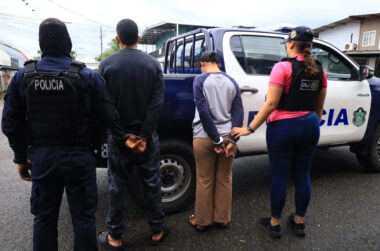
Interpol-Report: A massive international crackdown on organized crime networks has led to the seizure of more than 3,300 illegal firearms and 56 tonnes of narcotics during a major coordinated security operation conducted across Latin America and the Caribbean under the leadership of INTERPOL.
The operation, named “Operation Orca XI,” was carried out between October 15 and November 30, 2025, across 20 countries in Central America, South America and the Caribbean. Authorities described the mission as one of the region’s most significant coordinated efforts against illicit firearms trafficking and transnational organized crime.
The large-scale enforcement campaign targeted criminal groups involved in:
- illegal arms trafficking,
- drug smuggling,
- human trafficking,
- migrant smuggling,
- cybercrime,
- and money laundering.
Massive Seizures During International Operation
According to INTERPOL officials, participating agencies seized:
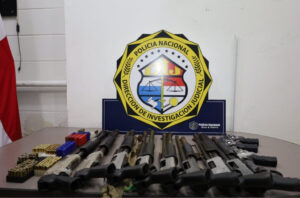
- 3,308 firearms,
- nearly 200,000 rounds of ammunition,
- 56 tonnes of illegal drugs,
- USD 256,025 in cash,
- and 210 vehicles linked to criminal activities.
Authorities also carried out 8,701 arrests related to firearm possession, drug trafficking and other criminal offences during the coordinated raids and investigations.

Officials stated that the operation exposed how organized criminal groups frequently use the same trafficking routes and logistics systems for multiple illegal activities across the region.
Drug Trafficking Networks Heavily Targeted
Ten participating countries reported major narcotics seizures during the operation.

The confiscated narcotics included:
- 6.9 tonnes of cocaine,
- 9.3 tonnes of cocaine base paste,
- 38.5 tonnes of marijuana,
- 2 tonnes of methamphetamine,
- 11 kilograms of ketamine,
- and more than 659,000 coca plant units.
Investigators noted that many of these drug trafficking operations were directly connected to illegal weapons smuggling networks.
Security experts said criminal organizations often rely on firearms to protect trafficking routes, intimidate rivals and maintain territorial control.
INTERPOL Highlights Progress Against Organized Crime
Valdecy Urquiza praised the operation’s success and emphasized the importance of international cooperation in fighting organized crime.
He stated that the thousands of firearms removed from circulation and the huge quantities of drugs seized represent meaningful progress in combating criminal networks.
According to INTERPOL, the organization remains committed to supporting member countries with:
- intelligence sharing,
- operational coordination,
- forensic tools,
- and cross-border investigations.
Officials stressed that criminal groups are constantly evolving and adapting, requiring law enforcement agencies to strengthen international collaboration.
OAS Emphasizes Regional Cooperation
Albert R. Ramdin also praised the success of Operation Orca XI.
He said the operation demonstrated how hemispheric coordination and strong technical cooperation can produce concrete security results.
According to the Organization of American States, the operation helped remove thousands of illegal weapons from circulation while making communities safer across the Americas.
The OAS reiterated its commitment to supporting member nations alongside INTERPOL in addressing organized crime and regional security threats.
Criminal Networks Exploiting Shared Smuggling Routes
Authorities said one of the most concerning findings from the operation was the deep connection between firearms trafficking and other forms of organized crime.
Officials noted that gangs and criminal syndicates often use identical smuggling corridors for:
- narcotics,
- weapons,
- migrants,
- counterfeit goods,
- and cybercrime operations.
Investigators believe dismantling weapons trafficking routes can significantly weaken broader criminal ecosystems operating across the region.
Colombia: Terror Financing and Weapons Trafficking Network Busted
In one of the most significant cases during Operation Orca XI, authorities in Colombia arrested 22 individuals linked to weapons trafficking and terrorist financing.
The suspects face serious charges related to:
- illegal manufacturing of firearms,
- possession of restricted ammunition,
- trafficking explosives,
- and financing terrorism.
Officials stated that the investigation highlighted how firearms trafficking often serves as a gateway into larger organized criminal and extremist networks.
Panama: Illegal Arms Smuggling Through Courier Services
Authorities in Panama arrested a man and a woman allegedly involved in an organized firearms smuggling network.
Investigators recovered a military-style rifle from a vehicle during the arrests.
Police stated that the suspects were exploiting courier and postal services to transport prohibited firearms and components across international borders.
Officials warned that criminal groups are increasingly using commercial delivery systems to avoid detection by traditional border security mechanisms.

Brazil: Drug and Weapons Network Dismantled
In Brazil, authorities dismantled a criminal organization involved in both drug trafficking and illegal firearms possession.
The operation led to the seizure of:
- two rifles,
- one submachine gun,
- two pistols,
- one grenade,
- narcotics,
- ammunition,
- communication equipment,
- and notebooks containing trafficking records.
Investigators believe the seized documents may help identify additional members and trafficking routes linked to the organization.
Chile: Major Drug Network Targeted
Authorities in Chile conducted a major investigation targeting a criminal network moving narcotics from northern Chile into central markets.
Police arrested three suspects and seized:
- 580 kilograms of illegal drugs,
- nine handguns,
- and assets connected to money laundering operations.
Officials estimated the confiscated narcotics were equivalent to approximately 3.5 million doses with a street value of nearly USD 5.6 million.
Authorities also froze 11 bank accounts suspected of being used for laundering criminal proceeds.
Growing Concern Over Regional Organized Crime
Security experts say transnational organized crime remains one of the biggest security threats facing the Americas.
Criminal groups continue exploiting:
- weak border controls,
- corruption,
- digital communication systems,
- and international logistics networks
to expand operations across multiple countries.
Law enforcement agencies increasingly face challenges from sophisticated criminal organizations that operate like multinational enterprises.
Intelligence Sharing Crucial for Future Operations
INTERPOL officials stressed that intelligence sharing and rapid cross-border coordination were essential to the success of Operation Orca XI.
Before the operation began, INTERPOL assisted participating countries in:
- analyzing firearms trafficking intelligence,
- preparing national threat assessments,
- and improving international information exchange systems.
The operation was conducted in coordination with the Commission of Central American, Mexican, Caribbean and Colombian Police Chiefs and Directors, with support from the Organization of American States.
Countries Participating in Operation Orca XI
The 20 participating countries included:
- Argentina,
- Belize,
- Bolivia,
- Brazil,
- Chile,
- Colombia,
- Costa Rica,
- Dominican Republic,
- Ecuador,
- El Salvador,
- Guatemala,
- Guyana,
- Honduras,
- Mexico,
- Nicaragua,
- Panama,
- Paraguay,
- Peru,
- Suriname,
- and Uruguay.
Officials said the operation demonstrated the growing importance of international security cooperation in confronting modern organized crime networks that operate far beyond national borders.