

IICM Ranchi Conducts Ten-Day HR Skill Development Programme for 81 Coal India Management Trainees
Residential programme strengthens HR professionals’ expertise in compliance, employee relations, SAP-HCM and strategic workforce management

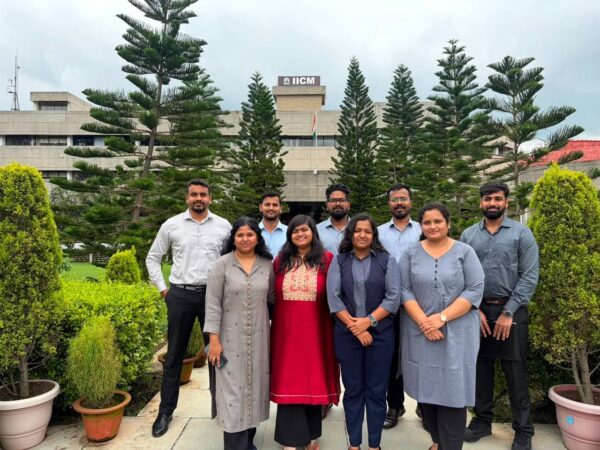
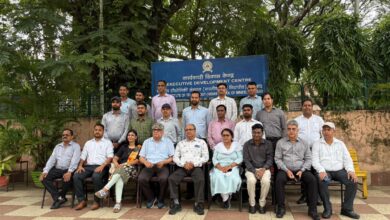
Ranchi I Special Correspondent: The Indian Institute of Coal Management (IICM), Ranchi, recently conducted a ten-day residential Functional Skill Development Programme (FSDP-HR) for 81 newly inducted Management Trainees (HR) of Coal India Limited (CIL). The programme was held from July 13 to July 23, 2026, with coordination by Allan R. A. Lakra, Senior Manager (HR), IICM.
Designed as a mandatory foundation programme for newly inducted HR professionals, the training aimed to provide participants with a comprehensive understanding of human resource functions across Coal India Limited and its subsidiaries. The programme focused on combining theoretical knowledge with practical exposure so that the young professionals could effectively contribute to workforce management, employee welfare, productivity and organisational development.
Building a Strong Foundation in HR Operations
The FSDP-HR programme was structured to familiarise Management Trainees with the end-to-end HR ecosystem of Coal India. The sessions covered a broad range of functions, including manpower planning, recruitment support, performance management, employee relations and statutory compliance.
With the coal sector operating in a complex industrial environment involving large workforces, mining operations and extensive statutory requirements, HR professionals require specialised knowledge that goes beyond conventional personnel management. The programme therefore placed significant emphasis on understanding HR as an important strategic function that directly contributes to business performance.
Participants were encouraged to understand how effective manpower planning, employee engagement and compliance can contribute to organisational efficiency while maintaining a balanced and employee-centric approach.

HR as a Strategic Business Partner
One of the key themes of the programme was the evolving role of HR as a strategic business partner.
The training highlighted that HR departments are no longer limited to administrative responsibilities. Modern HR professionals are increasingly expected to understand organisational objectives, workforce productivity, employee development and long-term business requirements.
Through expert-led sessions, participants were introduced to approaches through which HR can support both people and organisational performance. The emphasis was on developing professionals capable of understanding workplace challenges and responding to them through informed, practical and legally compliant HR practices.

Focus on Mining Laws and Statutory Compliance
Considering the specialised nature of Coal India’s operations, statutory compliance formed an important component of the training programme.
Participants were provided with insights into the Mines Act and associated rules, helping them understand the legal and regulatory framework applicable to mining-sector employment and workplace practices.
The sessions sought to strengthen awareness of statutory responsibilities and the importance of maintaining compliance in a large industrial organisation. For HR professionals, understanding these legal requirements is crucial because workforce policies, employee relations and administrative decisions must operate within the applicable regulatory framework.
The programme also highlighted the importance of continuous learning as laws, regulations, government schemes and organisational requirements evolve.
Understanding Government Apprenticeship Schemes
The Management Trainees were also introduced to major apprenticeship initiatives of the Government of India, including NATS, NAPS and PMIS.
The sessions helped participants understand the broader framework surrounding apprenticeship and skill development initiatives and their relevance to workforce development.
For a large organisation such as Coal India, structured apprenticeship and skill-development programmes can play an important role in developing talent pipelines and providing young people with practical exposure to industry requirements.
The training therefore connected apprenticeship-related knowledge with broader HR responsibilities such as manpower planning, talent development and future workforce requirements.
Succession Planning and Future Workforce Needs
Another important area covered during the programme was succession planning.
For an organisation operating on a large scale, identifying and preparing future leaders is an important part of sustainable workforce management. Succession planning helps organisations prepare for future vacancies in critical positions while ensuring continuity of operations and institutional knowledge.
The Management Trainees were introduced to the importance of identifying talent, developing competencies and creating structured pathways for future leadership requirements.
The approach also reinforced the importance of continuous professional development within the HR function.
Domestic Enquiry Procedures
Employee relations and workplace discipline were addressed through sessions on Domestic Enquiry procedures.
Participants were familiarised with the principles and procedures involved in handling workplace disciplinary matters. The training emphasised the importance of following due process, maintaining appropriate documentation and ensuring that workplace matters are handled fairly and systematically.
Such knowledge is particularly relevant for HR professionals working in large industrial organisations where employee relations can involve complex operational and legal considerations.
The programme sought to help participants develop the professional understanding required to handle such matters responsibly and within the applicable framework.
Hands-On Training in SAP ERP HCM
Technology-driven HR management was another significant element of the FSDP-HR programme.
Participants received both theoretical and hands-on training on the SAP ERP HCM module. The practical component was designed to familiarise young HR professionals with system-based HR processes and digital tools used for managing workforce-related information and activities.
The exposure to SAP ERP HCM is particularly important as modern HR functions increasingly depend on integrated digital systems for maintaining employee information, supporting HR processes and improving administrative efficiency.
The combination of classroom learning and hands-on system training enabled participants to gain practical familiarity with technology-enabled HR operations.
Understanding Legal Liaison and Coordination
The programme also included sessions focused on various legal liaisons, providing participants with an understanding of the coordination required between HR functions and legal or regulatory stakeholders.
In a large public-sector organisation, HR decisions can involve multiple legal, statutory and administrative considerations. Developing an understanding of these interfaces can help HR professionals coordinate more effectively and ensure that organisational processes remain aligned with applicable requirements.
The training therefore adopted a comprehensive approach, combining HR management, technology, statutory compliance, employee relations and legal awareness.
Combining Theory with Practical Learning
A key feature of the ten-day residential programme was its emphasis on combining conceptual learning with practical exposure.
Rather than limiting the training to theoretical discussions, the programme incorporated hands-on elements, particularly in areas such as SAP ERP HCM. This approach was intended to help participants translate classroom knowledge into workplace practices.
The residential format also provided opportunities for participants from different backgrounds and locations to interact, exchange perspectives and develop a broader understanding of HR challenges within Coal India and its subsidiaries.
Such peer interaction can contribute to professional learning by allowing newly inducted HR professionals to understand different workplace experiences and operational requirements.
Preparing HR Professionals for the Coal Sector
The coal industry has distinctive workforce and operational requirements. HR professionals working in this sector must understand not only employee management but also the broader operational, statutory and social environment in which mining activities take place.
The FSDP-HR programme was therefore aimed at preparing the newly inducted Management Trainees to take on responsibilities in a sector where compliance, employee relations, productivity and workforce welfare are closely interconnected.
The programme’s focus on mining-related laws, government schemes, employee relations, succession planning, digital HR systems and legal coordination reflects the multidimensional role expected of contemporary HR professionals.
IICM’s Role in Developing HR Talent
The programme also reflects the role of the Indian Institute of Coal Management, Ranchi, in supporting professional development within India’s coal sector.
As a specialised learning and management-development institution associated with the coal industry, IICM provides opportunities for professionals to strengthen their knowledge and acquire skills relevant to the sector’s evolving requirements.
The FSDP-HR programme further underlines the importance of structured induction and foundation training for newly recruited professionals.
For Management Trainees entering a large organisation such as Coal India, a well-designed foundation programme can help bridge the gap between academic learning and practical organisational responsibilities.
Emphasis on Compliance and Empathy
An important message running through the programme was the need to balance compliance with empathy.
HR professionals are responsible for implementing organisational policies and statutory requirements, but they also work directly with employees and their workplace concerns. Effective HR management therefore requires both procedural discipline and an understanding of people.
The training encouraged participants to approach HR responsibilities with professionalism, fairness and sensitivity while ensuring that organisational processes remain compliant and transparent.
This balance is particularly significant in a large workforce-intensive industry where employee relations can have a direct impact on productivity and workplace harmony.
Creating a Future-Ready HR Cadre
The programme ultimately focused on preparing a future-ready HR cadre for Coal India and India’s coal sector.
As organisations increasingly adopt digital technologies and data-driven systems, HR professionals must continuously upgrade their skills. At the same time, statutory compliance, employee engagement and workplace relations remain fundamental responsibilities.
The FSDP-HR programme brought these different dimensions together by exposing Management Trainees to strategic HR management, mining-related compliance, apprenticeship schemes, succession planning, domestic enquiries, SAP ERP HCM and legal liaison.
The combination is intended to help young professionals develop a broader understanding of HR’s contribution to organisational performance.
Continuous Learning as a Professional Requirement
The programme also reinforced the principle that professional development does not end with induction training.
HR practices, labour regulations, government programmes, digital systems and workplace expectations continue to change. Professionals therefore need to remain committed to continuous learning throughout their careers.
For the newly inducted Management Trainees, the ten-day programme provided a structured starting point for their professional journey while giving them exposure to the diverse responsibilities they may encounter across Coal India and its subsidiaries.
Supporting People and Productivity
The ultimate objective of HR management is to create an environment in which people and organisational objectives can progress together.
The training at IICM sought to prepare the Management Trainees to contribute to this objective by developing practical skills in workforce management, compliance, employee relations and digital HR systems.
The programme emphasised that effective HR practices can support productivity while also promoting employee welfare, fairness and organisational stability.
For Coal India, developing capable HR professionals is particularly important given the scale and diversity of its workforce and the strategic importance of the coal sector to India’s energy and industrial ecosystem.
A Step Towards Stronger HR Leadership
The successful completion of the ten-day FSDP-HR programme represents an important step in the professional development of the 81 newly inducted Management Trainees.
By exposing them to both strategic and operational aspects of HR, the programme sought to equip them with the knowledge and practical skills needed to begin their careers with greater confidence.
The programme also highlighted the evolving role of HR within India’s coal industry—one that increasingly requires professionals to combine business understanding, technological capability, legal awareness, employee sensitivity and continuous learning.
Conclusion
The Functional Skill Development Programme (HR) conducted by IICM, Ranchi, from July 13 to 23, 2026, provided 81 newly inducted Coal India Management Trainees with a broad foundation in contemporary HR management.
From manpower planning and employee relations to mining legislation, apprenticeship schemes, succession planning, domestic enquiries, SAP ERP HCM and legal liaison, the programme covered key areas required for effective HR functioning in the coal sector.
Coordinated by Sri Allan R. A. Lakra, Senior Manager (HR), IICM, the programme reflects IICM’s continuing focus on professional development and capacity building.
More importantly, it underlines a larger objective: developing an HR workforce that can combine compliance, technology, empathy, strategic thinking and continuous learning to support both people and productivity.
As India’s coal sector continues to evolve, professionally trained HR managers will play an increasingly important role in strengthening workforce capabilities, improving organizational effectiveness and supporting sustainable growth.