


Understanding Onsen Etiquette, Culture, and Respect
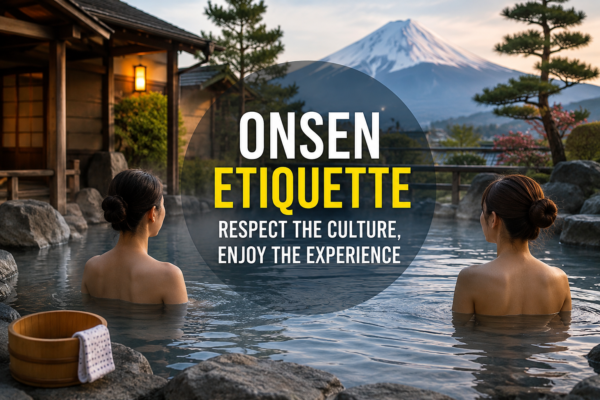
Tokyo, Japan | Japan’s traditional hot springs, known as onsen, and public bathhouses, called sento, are among the country’s most cherished cultural institutions. For centuries, these communal bathing spaces have served as places of relaxation, healing, and social connection rather than merely locations for personal hygiene. Every year, millions of international tourists visit Japan eager to experience this uniquely Japanese tradition.
Yet, despite growing global interest, many foreign visitors unintentionally make mistakes that can lead to awkward situations or unintentionally offend local customs. Unlike swimming pools, spas, or wellness centers in many parts of the world, Japanese communal baths follow a strict set of unwritten rules rooted in centuries-old traditions emphasizing cleanliness, respect, and harmony.
As Japan continues to welcome record numbers of overseas visitors, tourism authorities, hotel operators, and cultural experts are increasingly encouraging travelers to learn proper bathing etiquette before stepping into an onsen.
More Than Just a Bath
To outsiders, soaking in naturally heated mineral water may appear to be a luxurious spa experience. For Japanese people, however, visiting an onsen is deeply connected to health, relaxation, and cultural identity.
Japan sits atop thousands of volcanic hot springs, producing mineral-rich waters believed to help relieve muscle pain, improve circulation, reduce stress, and promote overall well-being. Families, friends, couples, and even business colleagues often visit onsen together.

The experience emphasizes simplicity, equality, and mindfulness. Everyone leaves behind status symbols, expensive clothing, and daily worries before entering the baths.
Why Bathing Is Done Naked
One of the biggest surprises for many international visitors is that bathing suits are generally prohibited.
Unlike many countries where swimwear is mandatory in public pools, Japanese communal baths require guests to bathe completely naked.
This practice is not intended to be embarrassing or provocative. Instead, it reflects the belief that everyone is equal once they enter the bath. Clothing is viewed as unhygienic because it can carry dirt, soap, detergents, and chemicals into the shared water.
Small towels are permitted for modesty while walking around, but they should never enter the bath itself.
Mistake No. 1: Entering the Bath Without Washing
Perhaps the most common mistake made by foreign visitors is stepping directly into the hot spring without showering first.
Japanese bathing culture requires everyone to thoroughly wash and rinse their bodies before entering the communal bath.
Each bathing area is equipped with low stools, handheld showers, mirrors, soap, and shampoo.
Guests are expected to sit while washing, ensuring that water does not splash onto nearby bathers.
Only after every trace of soap has been rinsed away should a person enter the shared bath.
Skipping this step is considered highly disrespectful because the bath itself is intended only for soaking—not cleaning.
Mistake No. 2: Wearing Swimwear
Many first-time visitors assume swimsuits are acceptable.
In reality, most traditional onsen strictly prohibit swimsuits.
Swimwear is viewed as introducing unnecessary contaminants into the mineral water.
Tourists occasionally feel uncomfortable with communal nudity, but locals generally pay little attention to other bathers.
The atmosphere is quiet, relaxed, and respectful.
Mistake No. 3: Putting Towels in the Water
Guests receive a small towel that can be used while moving around the bathing area.
However, placing this towel into the hot spring is considered poor etiquette.
Instead, experienced bathers fold the towel and place it on top of their head or leave it beside the bath.
This simple custom helps keep the water clean for everyone.
Mistake No. 4: Making Too Much Noise
Japanese bathing culture values peace and tranquility.
Visitors speaking loudly, laughing excessively, playing music, or making phone calls can quickly disturb the calm environment.
Many bathers visit onsen specifically to escape stress and enjoy silence.
Conversations are welcome but are generally conducted quietly.
Children are also expected to behave respectfully.
Mistake No. 5: Using Mobile Phones
Photography inside communal bathing areas is almost universally prohibited.
Mobile phones are generally banned because they create privacy concerns.
Even carrying a smartphone into the bathing area may make other guests uncomfortable.
Visitors should leave electronic devices in lockers provided before entering the bath.
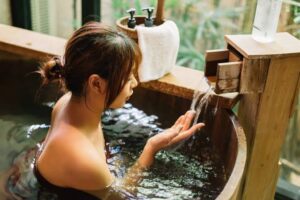
Mistake No. 6: Entering With Dirty Feet
Many foreign visitors overlook one important detail before entering the bathing area.
Outdoor shoes should never be worn beyond designated entrance areas.
Shoes are removed immediately upon entering many bathhouses, with slippers provided where appropriate.
This custom reflects Japan’s broader emphasis on cleanliness throughout homes, temples, hotels, and traditional establishments.
Mistake No. 7: Swimming
An onsen is not a swimming pool.
Diving, floating, splashing, or swimming laps is inappropriate.
The purpose is to quietly soak and relax while enjoying the therapeutic qualities of the mineral water.
Visitors should enter slowly, sit calmly, and avoid disturbing others.
Mistake No. 8: Ignoring Water Temperature
Japanese hot springs are often significantly hotter than visitors expect.
Temperatures commonly range between 40°C and 42°C (104°F–108°F).
First-time visitors sometimes jump in too quickly or remain in the water for too long.
Experts recommend easing into the bath gradually and taking breaks if feeling overheated.
Hydration before and after bathing is also important.
Mistake No. 9: Drinking Alcohol Before Bathing
Although enjoying local cuisine and beverages is part of travel, excessive alcohol consumption before entering an onsen is discouraged.
Hot water combined with alcohol can increase the risk of dizziness, dehydration, and fainting.
Many facilities advise visitors to avoid bathing immediately after drinking.
Mistake No. 10: Wearing Shoes Indoors
Traditional Japanese facilities often have multiple footwear zones.
Outdoor shoes remain at the entrance.
Indoor slippers may be used in hallways.
Tatami rooms generally require removing slippers as well.
These customs demonstrate respect for shared spaces.
Tattoos: A Frequently Asked Concern
One issue that often surprises international travelers involves tattoos.
Historically, tattoos in Japan were associated with organized crime groups, particularly the yakuza.
As a result, many traditional onsen continue to restrict guests with visible tattoos.
However, attitudes are gradually changing.
With increasing international tourism, numerous facilities now welcome tattooed visitors, especially those with small or decorative tattoos.
Some establishments provide waterproof tattoo covers, while others offer private family baths that can be reserved.
Travelers are encouraged to check policies before visiting.
Mixed-Gender Baths
Although separate bathing areas for men and women are now the norm, Japan still has a small number of traditional mixed-gender baths known as konyoku.
These facilities are typically located in rural regions and follow their own etiquette guidelines.
Visitors should research local customs beforehand and dress appropriately when moving between changing areas.
Health Benefits
Scientific studies have explored the potential health benefits of hot spring bathing.
Regular soaking may help:
- Reduce muscle tension
- Improve blood circulation
- Ease joint discomfort
- Promote relaxation
- Reduce stress
- Improve sleep quality
- Enhance overall well-being
Many Japanese people view regular onsen visits as part of a healthy lifestyle.
Respecting Personal Space
Japanese society generally values privacy and consideration for others.
Even in communal baths, staring at other guests or engaging in prolonged conversations with strangers is uncommon.
Visitors should focus on their own bathing experience while respecting everyone else’s comfort.
Family Bathing Traditions
Young children often accompany parents into communal baths.
In many facilities, very young children may enter with either parent regardless of gender, but older children are generally expected to use the bath corresponding to their own gender.
Private family baths are also popular among visitors seeking additional privacy.
Onsen Around the Country
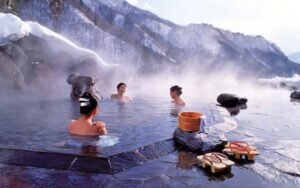
Japan is home to thousands of hot spring destinations, each offering unique mineral compositions and scenic surroundings.
Mountain resorts, coastal villages, snowy landscapes, and forest retreats all provide different onsen experiences.
Some baths overlook the ocean, while others are nestled among volcanic valleys or surrounded by cherry blossoms and autumn foliage.
Preparing Before Your Visit
Travelers planning their first onsen experience can avoid unnecessary embarrassment by following a few simple steps:
- Research the facility’s rules in advance.
- Remove shoes where instructed.
- Shower thoroughly before entering the bath.
- Leave soap and shampoo at the washing station.
- Keep towels out of the bathwater.
- Avoid loud conversations.
- Do not use phones or cameras.
- Enter the water slowly.
- Stay hydrated.
- Respect the privacy and comfort of other guests.
Why These Customs Matter
To some visitors, Japan’s bathing rules may initially seem strict. However, they exist for practical reasons that ensure hygiene, safety, and a peaceful atmosphere for everyone. The shared nature of onsen culture depends on mutual respect: every guest contributes to maintaining clean water, a quiet environment, and consideration for others.
As international tourism continues to grow, many bathhouses have introduced multilingual signs and guidance to help first-time visitors understand expectations without feeling intimidated.
A Memorable Cultural Experience
For those willing to embrace local customs, visiting an onsen can become one of the most memorable experiences of a trip to Japan. Beyond the warm mineral waters, the tradition offers a glimpse into Japanese values of cleanliness, mindfulness, and community.
Rather than viewing the rules as restrictions, experienced travelers often come to appreciate them as part of what makes the experience unique. A few moments spent learning proper etiquette can transform an unfamiliar activity into a deeply relaxing cultural encounter—one that reflects centuries of tradition and leaves visitors with a greater understanding of Japan’s respect for shared spaces and harmonious living.