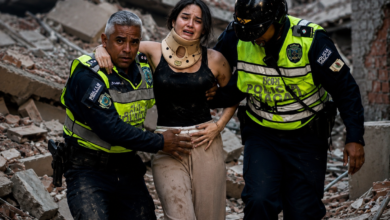


Hail- The Storm Unfolds, Thunderstorms Leave 10 Dead in Vietnam
By Samir Singh 'Bharat': Editor In Chief

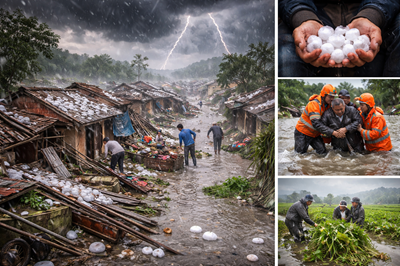
Special Report : Vietnam Severe weather events have once again demonstrated their destructive power, as intense hailstorms and thunderstorms swept across parts of Vietnam, leaving a trail of devastation in their wake. According to official reports, at least ten people have lost their lives, dozens have been injured, and more than 5,400 homes have been damaged or destroyed.
The storms, which developed rapidly and struck with little warning, caused widespread disruption to daily life, agriculture, and infrastructure. As emergency response teams continue their work, the full extent of the damage is still being assessed.
This incident highlights the increasing vulnerability of communities to extreme weather events and raises urgent questions about preparedness, climate resilience, and disaster management in the region.Vietnam
The Storm Unfolds: Sudden and Severe
The storms struck multiple provinces across northern and central Vietnam, bringing with them powerful winds, heavy rainfall, and unusually large hailstones. Residents described the event as sudden and overwhelming, with little time to seek shelter.Vietnam
Hailstones—some reportedly as large as golf balls—pounded rooftops, shattered windows, and damaged vehicles. In rural areas, where homes are often built with lighter materials, the destruction was particularly severe.

Thunderstorms intensified the situation, with lightning strikes and strong gusts toppling trees, damaging power lines, and disrupting communication networks.
Local authorities confirmed that the storms resulted in ten fatalities, with victims primarily affected by collapsing structures, falling debris, and storm-related accidents.
Human Toll: Lives Lost and Injuries Sustained
The human impact of the disaster has been profound. In addition to the ten confirmed deaths, several individuals sustained injuries ranging from minor to severe.

Emergency services responded quickly, transporting the injured to nearby hospitals and providing immediate medical care. However, in remote areas, access to healthcare remains a challenge, complicating rescue and recovery efforts.
Families who lost loved ones are now grappling with grief while also facing the practical challenges of rebuilding their lives. The psychological toll of such disasters, often overlooked, can be long-lasting and deeply impactful.
Widespread Damage to Homes and Infrastructure
One of the most striking aspects of the disaster is the scale of damage to residential structures. More than 5,400 homes have been reported as damaged, with some completely destroyed.
In many cases, roofs were torn off or punctured by hail, leaving interiors exposed to rain and further deterioration. Walls collapsed under the force of strong winds, and essential household belongings were lost.
Infrastructure also suffered significant damage:
- Power outages affected thousands of households
- Roads were blocked by fallen trees and debris
- Communication networks were disrupted
Local governments have begun assessing the damage and prioritizing repairs, but the scale of destruction means that recovery will take time.
Impact on Agriculture: A Blow to Livelihoods
Vietnam’s agricultural sector has also been severely affected. The storms struck during a critical period for many crops, causing extensive damage to fields and plantations.
Hail and heavy rain destroyed crops such as rice, maize, and vegetables, while strong winds flattened plants and uprooted trees. For farmers, this represents not only an immediate loss of income but also a threat to future production.
In rural communities, where agriculture is the primary source of livelihood, the economic impact is particularly severe. Many farmers now face uncertainty about how to recover and sustain their families.

Emergency Response and Relief Efforts
Authorities in Vietnam have mobilized emergency response teams to assist affected communities. Rescue operations were launched immediately after the storms, focusing on:
- Evacuating residents from dangerous areas
- Providing medical assistance to the injured
- Clearing debris and restoring access routes
Relief efforts are also underway to provide temporary shelter, food, and essential supplies to those who have lost their homes.
Government agencies are coordinating with local organizations to ensure that aid reaches the most vulnerable populations, including the elderly, children, and low-income families.
Government Action and Support Measures
The Vietnamese government has pledged support for affected communities, including financial assistance for rebuilding homes and restoring livelihoods.
Officials have emphasized the importance of rapid response and long-term recovery planning. Measures under consideration include:
- Financial compensation for damaged properties
- Support for farmers through subsidies and seed distribution
- Investment in infrastructure repair and strengthening
These efforts aim not only to address immediate needs but also to enhance resilience against future disasters.
Climate Change and Increasing Weather Extremes
Experts have pointed to climate change as a contributing factor to the increasing frequency and intensity of extreme weather events.
Vietnam, with its long coastline and diverse geography, is particularly vulnerable to climate-related risks. Rising temperatures, changing rainfall patterns, and more intense storms are becoming increasingly common.
Hailstorms of this magnitude are relatively rare in the region, making this event particularly concerning. It underscores the need for improved forecasting, early warning systems, and community preparedness.
Challenges in Disaster Preparedness
While Vietnam has made significant progress in disaster management, this event highlights ongoing challenges.
Limited Early Warning
In some areas, residents reported receiving little or no warning before the storms struck, limiting their ability to prepare.
Infrastructure Vulnerability
Many homes, especially in rural areas, are not built to withstand extreme weather conditions.
Resource Constraints
Emergency response capabilities can be stretched thin during large-scale disasters, particularly in remote regions.
Addressing these challenges will require sustained investment and coordinated efforts at both national and local levels.
Community Resilience and Solidarity
Despite the devastation, stories of resilience and solidarity have emerged. Communities have come together to support one another, sharing resources and assisting in cleanup efforts.
Volunteers have played a crucial role in providing aid, helping to distribute supplies and rebuild damaged homes. Such collective action highlights the strength and determination of affected communities.
Looking Ahead: Recovery and Reconstruction
The road to recovery will be long and complex. Rebuilding homes, restoring infrastructure, and reviving agricultural production will require time, resources, and careful planning.
Key priorities include:
- Ensuring safe and durable housing
- Restoring essential services
- Supporting economic recovery
Long-term strategies will also need to focus on building resilience, reducing vulnerability, and adapting to changing climate conditions.
Our Media Opinion : A Wake-Up Call for Preparedness
The deadly hailstorms and thunderstorms in Vietnam serve as a stark reminder of the power of nature and the importance of preparedness.
As communities begin the process of recovery, there is an opportunity to learn from this and strengthen systems to better withstand future challenges.
Investing in resilient infrastructure, improving early warning systems, and supporting vulnerable populations are essential steps toward reducing the impact of such disasters.
Ultimately, the tragedy underscores a broader reality: in an era of increasing climate uncertainty, proactive measures are not just necessary—they are urgent.