

Renaming Andhra Pradesh Debate: 5 Strong Reasons RPC Chief Slams ‘Misleading’ Name Change Proposal
By Doruvu Paul Jagan Babu: Assistant Chief Editor

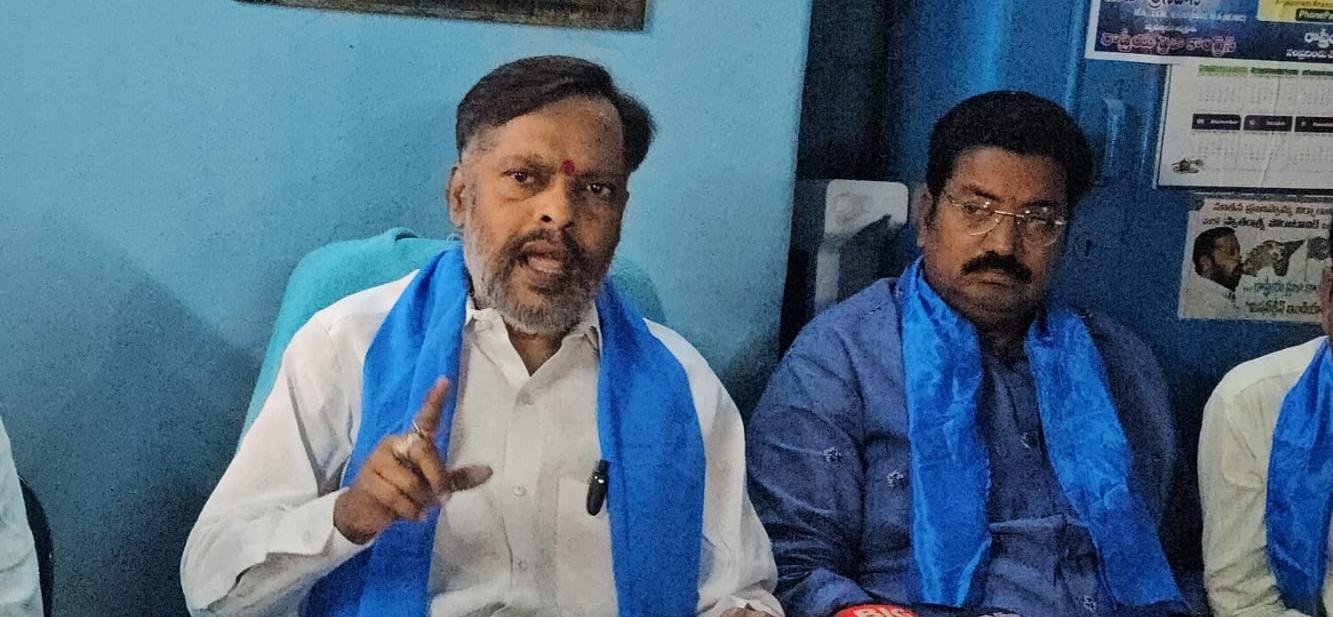
Rajhamundry – Andhra Pradesh: Rashtriya Praja Congress (RPC) Founder President Meda Srinivas on Wednesday criticized recent comments attributed to Garikapati Narasimha Rao regarding renaming Andhra Pradesh, asserting that altering the state’s name would undermine its historical and cultural identity.
Addressing a media conference at the RPC headquarters, Srinivas said the word “Andhra” carries profound historical, literary, and cultural significance and should not be diluted by what he described as “unnecessary and emotional debates.”
‘Andhra’ has ancient and historical roots
Srinivas emphasized that the term “Andhra” has been in use since ancient times, appearing in epics and classical literature. He noted that scholars such as Nannayya, who authored the Andhra Mahabharata, and Bammera Pothana, who composed the Andhra Bhagavatam, reinforced the prominence of the word in literary tradition.
He argued that the name “Andhra” predates the widespread usage of the term “Telugu” and has historically symbolized linguistic, cultural, and regional unity.

Opposition to removing ‘Andhra Pradesh ’
Referring to suggestions that the word “Andhra” be removed and the state renamed as “Telugu Nadu,” Srinivas termed the proposal inappropriate. He said the addition of “Pradesh” occurred following the merger of regions after Hyderabad’s integration, leading to the formation of Andhra Pradesh in its present structure.
He also recalled that when discussions arose in the past about renaming the state along the lines of Tamil Nadu, the proposal was eventually set aside. He pointed out that even NT Rama Rao, during his tenure, did not pursue the idea further after deliberations.
Movement history and cultural identity

The RPC leader underlined that the word “Andhra” was central to several historical movements, including struggles during the Nizam era and the formation of the Andhra Mahasabha. He noted that despite pressures during that period, the term remained intact and continued to represent collective identity.
Srinivas further referenced the sacrifices made during the formation of a separate Andhra state, particularly recalling leaders such as Potti Sriramulu and Tanguturi Prakasam, whose efforts were instrumental in achieving statehood.
Call for responsible public discourse
While acknowledging Garikapati Narasimha Rao’s scholarly reputation in Vedic and epic literature, Srinivas expressed concern over what he described as statements that extend beyond spiritual discourse into political commentary.
He said religious scholars and public intellectuals should focus on promoting social awareness, harmony, and cultural pride without creating divisive or emotionally charged narratives.
“The sanctity of religion and the prestige of Andhra’s history must be upheld with responsibility,” he said, urging public figures to exercise restraint in sensitive matters.
Participants at the conference
Several RPC members, including Lanka Durga Prasad, Pendyala Kamaraju, Simma Durga Rao, Dudde Trinad, Barla Prasad, Vardhanapu Sarath Kumar, Gudla Sai Durga Prasad, Kolli Satyanarayana, Kakara Prasad, SK Devi, Meka Ayyappa, and Kanti Ramakanth, were present at the media interaction.
The issue of renaming the state has periodically surfaced in public discourse, with differing views expressed on historical continuity and regional identity.
Additional Things..
The debate surrounding the renaming Andhra Pradesh has periodically resurfaced in public discussions, often reflecting broader questions about identity, history, and regional pride. Historians point out that the term “Andhra” has appeared in ancient inscriptions, Puranic references, and classical literature for centuries, making it one of the oldest regional identifiers in the Indian subcontinent. Because of this deep historical association, many scholars and cultural organizations believe that changing the name could weaken a long-standing historical continuity.
Supporters of retaining the name also argue that Andhra Pradesh represents not only geography but also the collective heritage of Telugu-speaking communities. The formation of the first linguistic state in India in 1953, following the sacrifice of Potti Sriramulu, remains a powerful symbol of linguistic pride and democratic struggle. Later, in 1956, the state expanded with the integration of Telangana regions under the States Reorganisation Act, creating the present structure of Andhra Pradesh before the eventual bifurcation in 2014.
Political observers note that debates over renaming states are not new in India. Several states, including Tamil Nadu, Karnataka, and Odisha, adopted new names over time to reflect linguistic or cultural identities more accurately. However, such changes usually follow prolonged public consultations, legislative debates, and widespread consensus among political leaders and citizens. Critics of the current discussion argue that raising the issue without a clear policy framework or public mandate may only create unnecessary controversy.
Cultural scholars also highlight that the word “Andhra” continues to hold symbolic importance in literature, music, and academic discourse. Universities, literary academies, and cultural institutions across the state still use the term prominently in their titles and research publications.
At the same time, some voices in civil society believe that discussions about identity should remain open and respectful. They argue that constructive dialogue can strengthen democratic participation, provided it is conducted with sensitivity toward history and public sentiment.
For now, the remarks made during the recent media conference have reignited the conversation, reminding policymakers that questions related to identity and heritage often carry emotional weight for the people they represent.