

Former MP Naresh Gujral Falls Victim to Sophisticated WhatsApp Impersonation Scam
Editorial
 war-times.com
Send an email
18 June 2026
war-times.com
Send an email
18 June 2026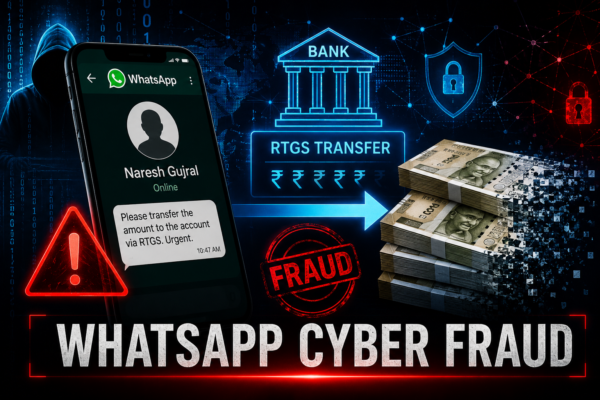
New Delhi: In one of the most significant cyber fraud cases reported in the national capital in recent times, former Member of Parliament Naresh Gujral (78), son of former Prime Minister Inder Kumar Gujral, became the target of a highly sophisticated impersonation scam that allegedly led to the transfer of crores of rupees from his company between June 12 and June 16, 2026.
According to information available, cyber criminals created a fake WhatsApp account using Naresh Gujral’s photograph as the profile picture and impersonated him to deceive members of his company’s finance team. The fraudsters reportedly sent instructions to a trusted employee, directing him to transfer funds through RTGS transactions to a designated bank account.
Believing that the messages had been sent by his employer, the employee executed four separate RTGS transfers over several days. The cumulative value of these transactions is said to run into crores of rupees, making it one of Delhi’s largest cyber fraud cases in terms of financial loss.
Fraud Uncovered After Family Verification
The fraud remained undetected until June 16, 2026, when details of the transactions were brought to the attention of Naresh Gujral’s daughter, Diksha Gujral. Concerned by the unusual transfers, she immediately contacted her father for confirmation.
Naresh Gujral reportedly informed her that he had never issued any such instructions and was completely unaware of the transactions. It was only then that the family and company officials realized they had fallen victim to a carefully planned impersonation scam.

Swift Action Prevents Major Loss
Following the discovery, the family promptly contacted the National Cyber Crime Helpline (1930) and lodged a complaint. An e-FIR was subsequently registered, triggering an immediate response from cyber crime authorities.
Speaking about the incident, Naresh Gujral acknowledged the rapid intervention by law enforcement agencies and said that authorities acted quickly to prevent further financial damage.
According to him, cyber crime investigators were able to place a lien on nearly 70 percent of the defrauded amount, preventing the money from being withdrawn from the recipient accounts.

He praised the prompt response of Delhi’s cyber crime agencies, stating that their swift action significantly reduced potential losses and demonstrated the importance of reporting cyber fraud without delay.
Bank Verification Also Conducted
Naresh Gujral further revealed that the bank had contacted the company’s Chief Financial Officer (CFO) before processing the transactions. However, since the instructions appeared to originate from the company owner, the CFO believed them to be genuine and authorized the bank to proceed with the transfers.
The incident highlights how cyber criminals are increasingly exploiting trust within organizations by using fake identities, cloned profile photographs, and convincing communication methods to bypass internal verification mechanisms.
Growing Threat of Executive Impersonation Fraud
Cyber security experts note that impersonation scams targeting business leaders and senior executives have become increasingly common across India. Fraudsters often create WhatsApp accounts, emails, or social media profiles that closely resemble genuine identities and then issue urgent payment instructions to finance departments.
Because such requests appear to come from top management, employees may comply without conducting additional verification, resulting in substantial financial losses.
Experts advise organizations to implement multi-level authorization systems, mandatory voice verification for large financial transactions, and employee awareness training to counter such threats.
Authorities Continue Investigation
Investigating agencies are currently tracing the beneficiary accounts, digital footprints, and communication channels used by the accused. Officials are examining whether the fraud was carried out by an organized cyber crime network operating across multiple states.
Authorities have reiterated that victims of cyber fraud should immediately report incidents through the 1930 Cyber Helpline and the National Cyber Crime Reporting Portal, as quick reporting significantly improves the chances of freezing fraudulent transactions and recovering funds.
A Warning for Businesses and Individuals
The case serves as a strong reminder that even experienced professionals and high-profile individuals can become victims of sophisticated cyber fraud. With digital communication now central to business operations, experts stress the need for strict verification procedures before executing financial instructions received through messaging platforms.
As investigations continue, cyber crime officials hope the case will encourage organizations and citizens alike to remain vigilant and adopt stronger safeguards against the growing menace of digital fraud.

war-times.com
Send an email
18 June 2026