


Can Anti-Conversion Laws Protect Faith? India’s Explosive Religious Freedom Debate in 2026
By Doruvu Paul Jagan Babu: Assistant Chief Editor

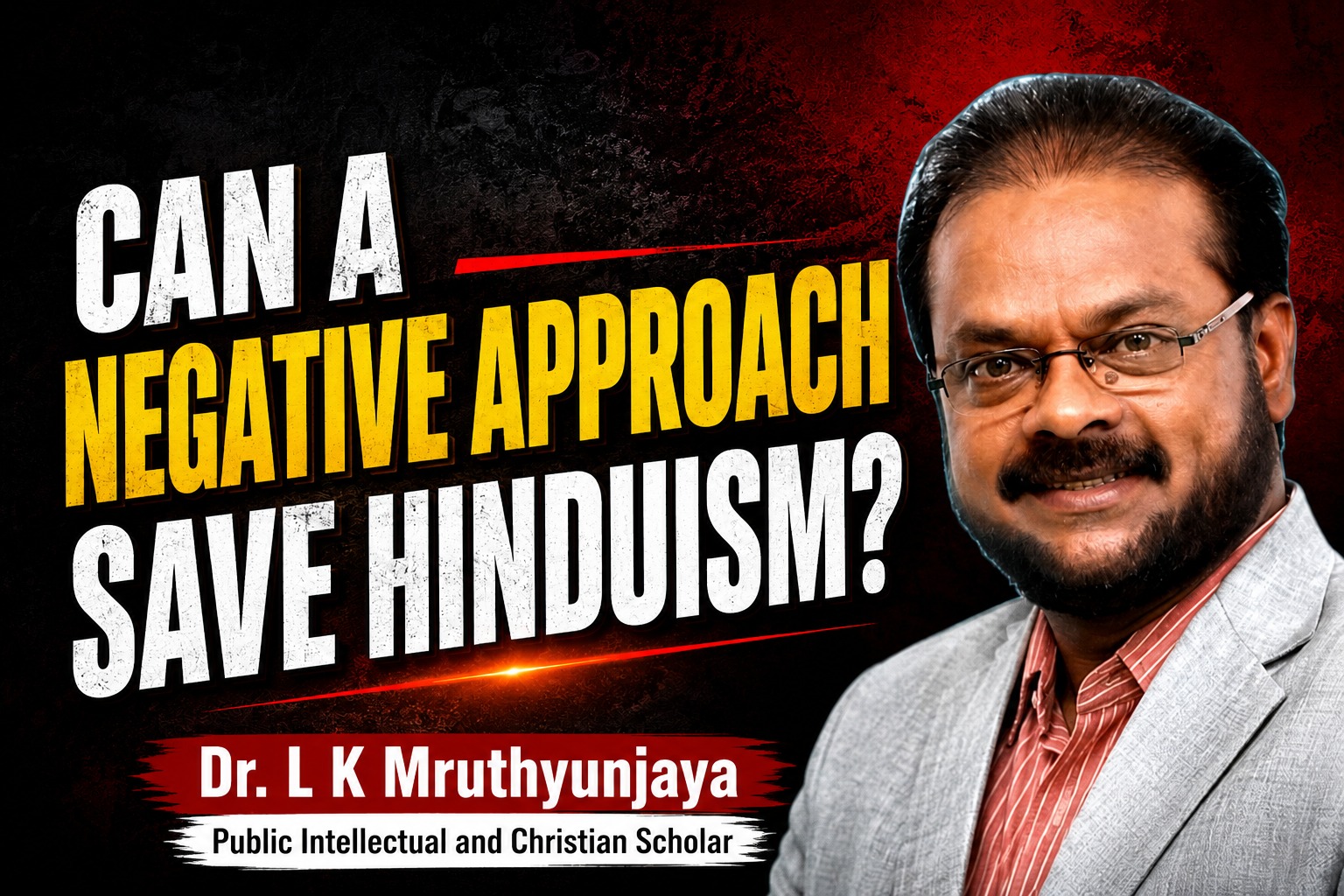
New Delhi-Ananatpur : The growing implementation of anti-conversion laws in several BJP-ruled states has intensified a national debate over religious freedom, constitutional rights, and the limits of state intervention in matters of faith. While supporters of these laws argue that they are necessary to prevent coercive or fraudulent religious conversions, critics contend that their application has increasingly created fear, legal vulnerability, and social tension among religious minorities, particularly Christians. Beyond the legal and political arguments, the debate raises a deeper question: can faith truly be preserved through restrictive laws, or does religious conviction ultimately belong to the realm of personal conscience beyond the reach of legislation?
Anti-conversion laws and the constitutional debate
India’s Constitution guarantees every citizen freedom of conscience, the right to profess religion, the right to practice religion, and the right to propagate religion.
However, critics argue that several recently strengthened anti-conversion laws substantially depart from the spirit of these constitutional protections.
Supporters of the legislation maintain that such laws are intended to prevent forced, fraudulent, or inducement-based religious conversions. They argue that vulnerable communities must be protected from exploitation and that preserving traditional religious identities is a legitimate public concern.
Opponents, however, question whether the practical implementation of these laws has extended far beyond preventing coercion.

Rising concerns among Christian communities
Many Christian leaders, civil rights activists, and constitutional observers claim that anti-conversion laws have increasingly led to false accusations, police complaints, social intimidation, and legal harassment against pastors, evangelists, and ordinary Christians.
According to critics, even routine prayer meetings, charitable activities, or personal conversations about faith sometimes become subjects of suspicion under these legal frameworks.

This, they argue, has created a climate of uncertainty and fear among minority religious communities in certain regions.
Can legislation control personal belief?
One of the central philosophical questions emerging from this debate is whether the state can meaningfully regulate inner belief.
Census data from 1951 to 2011 shows gradual demographic shifts in India’s religious composition, including a slight decline in the percentage of Hindus within the total population. Some observers believe future demographic trends may continue to evolve.
Yet many scholars and religious thinkers argue that faith is fundamentally rooted in personal conscience rather than external regulation.
According to this view laws may influence public behavior, official declarations, or institutional activity, but they cannot fully govern private spiritual conviction.
Some Christian thinkers argue that inward or silent religious transformation often continues regardless of political or legal pressures.
‘Negative protection’ vs positive spiritual engagement
A growing section of Christian intellectual opinion suggests that restrictive legal approaches may not ultimately strengthen any religious tradition in a lasting way.
Instead, they argue that religious communities may achieve greater long-term stability and devotion through spiritual depth, moral example, philosophical clarity, compassionate social engagement,
and voluntary inspiration.
According to this perspective, faith sustained primarily through fear, legal restriction, or social pressure may struggle to retain genuine spiritual commitment over time.
Rather than suppressing alternative beliefs, some thinkers suggest that every religious tradition must focus on presenting its own teachings in a meaningful, persuasive, and spiritually transformative manner.
Christianity’s understanding of faith and conversion
From a Christian theological standpoint, spirituality is understood primarily as a personal relationship with Jesus Christ rather than merely adherence to ritual or institutional identity.
Christian teaching emphasizes salvation through faith in Christ, inward transformation, repentance, and personal conviction.
Because of this emphasis on individual spiritual experience, many Christian scholars argue that religious belief cannot ultimately be imposed or prevented through external force.
They maintain that authentic faith, whether Christian or otherwise, emerges from personal conviction rather than legal compulsion.
The tension between state authority and freedom of conscience
At its core, the anti-conversion debate reflects a deeper constitutional and philosophical tension the role of the state in regulating religion, versus the individual’s right to freedom of conscience.
For supporters of stricter laws, religious conversion can carry social, cultural, and political implications affecting communities and traditions.
For critics, however, excessive regulation risks undermining the very constitutional freedoms upon which democratic pluralism depends.
The debate therefore extends beyond Christianity or Hinduism alone. It raises broader questions about liberty, identity, nationalism, minority rights, and the boundaries of state power in spiritual matters.
Beyond politics: A question about the nature of faith
Ultimately, many observers believe the discussion cannot be resolved solely through legislation or political rhetoric.
The deeper issue concerns the nature of faith itself.
Can spiritual devotion truly be preserved through legal restrictions?
Or is lasting religious commitment sustained only through conviction, meaning, and voluntary belief?
As India continues to navigate questions of identity, pluralism, and religious freedom, the answers to these questions may shape not only public policy, but also the moral and spiritual character of the nation itself.