


“Raju Ban Gaya Gentleman”: A Landmark of 1990s Hindi Cinema
By Samir Kr. Singh : Editor-In-Chief

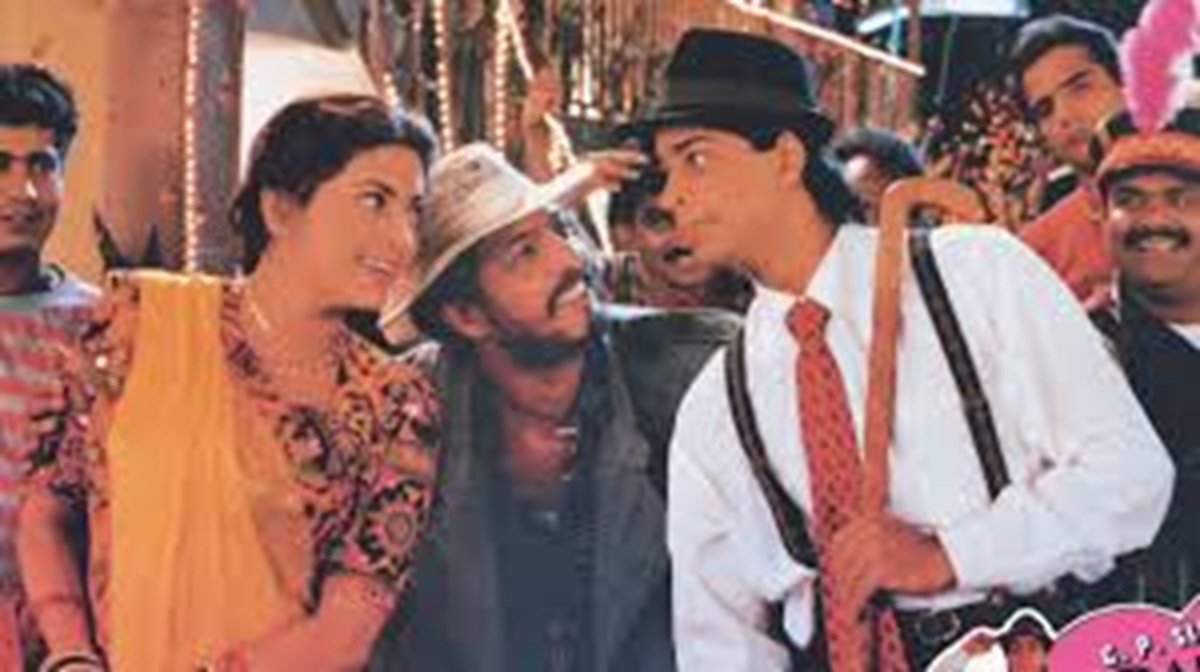
Mumbai : When Raju Ban Gaya Gentleman released on 13 November 1992, nobody could have predicted that it would one day be remembered as a defining film in the career of an actor who would later be crowned the “Baadshah of Bollywood.” The film, directed by Aziz Mirza and produced by G.P. Sippy, was a modestly budgeted romantic drama. Yet, it not only gave Indian cinema one of its most charismatic leading men—Shah Rukh Khan—but also reflected the social realities of urban India in the early 1990s.
Today, more than three decades later, Raju Ban Gaya Gentleman continues to hold a special place in the hearts of audiences. It remains an important cultural artifact of its time, combining romance, comedy, and drama with a strong social message about ambition, morality, and the cost of success.
The Plot: Dreams, Struggles, and Love in the City
At its heart, Raju Ban Gaya Gentleman is the story of Raj Mathur (played by Shah Rukh Khan), a small-town boy from Darjeeling who arrives in Mumbai with dreams of becoming a successful engineer. Armed only with his degree, determination, and idealism, Raj struggles to find his footing in the cutthroat corporate world of the city.
His fortunes begin to change when he meets Renu (Juhi Chawla), a kind-hearted secretary who helps him secure a job in a construction company. Renu becomes both his friend and moral compass as he rises in the professional world.
But with success comes temptation. Raj finds himself entangled in the world of corporate politics, where greed and power threaten to corrupt his values. The wealthy and ambitious Sapna (Amrita Singh), daughter of a powerful builder, falls for Raj and attempts to lure him into a world of luxury and influence. Raj must then make a choice—between his conscience and ambition, between true love and material success.

The story is simple yet layered, highlighting the dilemmas faced by young professionals navigating India’s rapidly urbanizing economy in the 1990s.

Cast and Performances
-
Shah Rukh Khan as Raj Mathur: This was Shah Rukh’s second released film after Deewana, but it was here that audiences truly saw his charm and energy. His portrayal of an ambitious yet morally conflicted youth struck a chord with millions of viewers. His trademark wit, expressive eyes, and emotional depth became instantly recognizable.

-
Juhi Chawla as Renu: Juhi’s portrayal of the supportive, down-to-earth woman was widely praised. Her chemistry with Shah Rukh was fresh and natural, laying the foundation for one of Bollywood’s most beloved on-screen pairings in the 1990s.
-
Amrita Singh as Sapna: Playing the role of the glamorous, ambitious woman, Singh brought both strength and vulnerability to her character. She was not merely a “villain” but a complex individual shaped by her world.
-
Nana Patekar as Jai: Patekar, known for his intense performances, played a street-smart philosopher who serves as Raj’s conscience. His dialogues, laced with humor and wisdom, provided some of the most memorable moments of the film.
The ensemble cast, supported by G.P. Sippy’s production and Aziz Mirza’s sensitive direction, made the film both relatable and entertaining.
Music: The Soul of the Film
The music of Raju Ban Gaya Gentleman, composed by Jatin-Lalit, played a huge role in the film’s popularity. The soundtrack captured both the youthful energy and emotional core of the film.
-
“Loveria Hua” became an instant hit with Shah Rukh’s quirky dance moves and vibrant picturization.
-
“Dil Hai Mera Deewana” highlighted the romantic chemistry between Shah Rukh and Juhi.
-
“Seene Mein Dil Hai” carried the emotional weight of Raj’s struggles.
The music not only enhanced the narrative but also helped establish Shah Rukh Khan as a dancing sensation, paving the way for his future as Bollywood’s king of romance.
Themes and Social Commentary
Unlike typical Bollywood romances of the era, Raju Ban Gaya Gentleman went beyond the love story. It explored themes that resonated with a changing India:
-
Urban Migration: Raj’s journey reflected the aspirations of countless small-town youth who moved to big cities like Mumbai in search of opportunities.
-
Ambition vs. Integrity: The film questioned the cost of success in a world driven by corruption and greed.
-
Class Divide: Through characters like Renu and Sapna, the film highlighted the stark contrast between middle-class values and elite lifestyles.
-
Love and Choices: At its core, the movie emphasized the importance of staying true to oneself in matters of both career and relationships.
These themes gave the film depth and made it more than just a typical romantic drama.
Reception and Box Office Performance
When released in November 1992, Raju Ban Gaya Gentleman received positive reviews from both critics and audiences. It was not a blockbuster in the traditional sense, but it performed well at the box office, particularly in urban centers. For a relatively small-budget film with a newcomer in the lead, its success was significant.
Critics praised Shah Rukh Khan’s energetic performance, Juhi Chawla’s charm, and Aziz Mirza’s refreshing storytelling. The film was noted for its balance of lighthearted romance and serious commentary on ambition and ethics.

Cultural Impact
The importance of Raju Ban Gaya Gentleman lies not just in its box office performance but in its cultural legacy.
-
Launchpad for Shah Rukh Khan: Although Deewana was technically his debut, it was this film that truly showcased his range as an actor and won him a loyal fan base.
-
Shah Rukh–Juhi Pairing: The film began a screen partnership that would continue in several successful films, including Darr, Yes Boss, and Phir Bhi Dil Hai Hindustani.
-
Urban Storytelling: At a time when Bollywood was dominated by action dramas and larger-than-life heroes, this film offered a more grounded, slice-of-life narrative.
-
Youth Inspiration: For many young viewers in the 1990s, Raj’s struggles mirrored their own aspirations and challenges in a rapidly changing India.
Behind the Scenes
-
The film was the directorial debut of Aziz Mirza, who would later collaborate with Shah Rukh in films like Yes Boss (1997) and Chalte Chalte (2003).
-
Interestingly, the role of Raj Mathur was reportedly inspired by Aziz Mirza’s own experiences of struggling in Mumbai.
-
Shah Rukh Khan, still a newcomer in 1992, was personally chosen by Mirza after his TV success in shows like Fauji and Circus.
-
The film was shot extensively in Mumbai, capturing the spirit of the city—its bustling streets, construction sites, and crowded neighborhoods.
Legacy and Influence
Even three decades later, Raju Ban Gaya Gentleman continues to be remembered for its simplicity, sincerity, and heart. It may not have been the highest-grossing film of 1992, but it left a lasting impact on Bollywood in several ways:
-
Paving the Way for Realistic Romances: The film influenced later rom-coms and dramas that focused on middle-class aspirations rather than just escapist fantasies.
-
Building SRK’s Image: Shah Rukh’s portrayal of an ambitious yet vulnerable young man shaped his early screen persona and contributed to his rise as the “King of Romance.”
-
Evergreen Music: The songs of the film still find a place in retro playlists and nostalgic Bollywood nights.
-
Inspiration for Remakes: The story inspired similar narratives in Indian cinema and was even remade in other languages.
Why It Still Matters
In the landscape of Hindi cinema, Raju Ban Gaya Gentleman stands out as more than just another 1990s romance. It captured the spirit of a generation, reflecting both the optimism and the challenges of young Indians stepping into a new economic era. It showcased the charisma of a rising superstar, the freshness of a talented director, and the magic of a heartfelt story.
For Shah Rukh Khan fans, it remains a nostalgic gem that marked the beginning of his journey to superstardom. For Bollywood historians, it represents a shift towards more realistic storytelling in the 1990s. And for ordinary viewers, it is simply a film that continues to entertain, inspire, and remind us that true success lies not in wealth or fame, but in staying true to one’s values.