

Urgent collective action needed to combat India’s rising obesity crisis
By Doruvu Paul Jagan Babu: Assistant Chief Editor


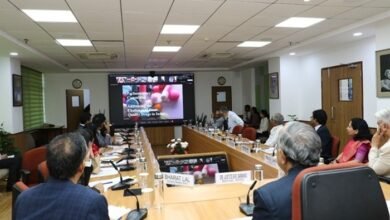
New Delhi: Addressing the ‘National Obesity Summit’ organized by the Confederation of Indian Industry (CII) on the occasion of World Obesity Day, Dr. Jitendra Singh emphasized that obesity is not just a lifestyle issue but a pressing public health crisis. He highlighted the need for coordinated efforts from the government, industry, the medical fraternity, and society at large to tackle the problem effectively.
India ranks second in childhood obesity

Dr. Singh cited alarming statistics, stating that India ranks second globally in childhood obesity, with over 1.4 crore children affected. He pointed out that while Indians often associate chubby babies with good health, central obesity is an independent and serious health risk factor. Obesity significantly contributes to non-communicable diseases such as type-2 diabetes, cardiovascular disorders, and fatty liver disease, making preventive action imperative.
Unique vulnerability of the Indian population
The minister acknowledged that Indians have a higher percentage of visceral fat compared to their Western counterparts, even when appearing lean. He remarked that traditional attire may mask central obesity, but the associated health risks remain substantial.

PM Modi’s call for healthier lifestyles
Dr. Singh recalled Prime Minister Narendra Modi’s emphasis on healthy living, citing his advocacy in Mann Ki Baat broadcasts and public addresses. He noted that PM Modi has urged citizens to reduce their food intake by 10% and has successfully transformed messages into mass movements, such as Swachh Bharat and the COVID-19 response. A similar approach, he said, is needed to tackle obesity.


Paradox of rising obesity amid fitness awareness
Despite increasing awareness campaigns and medical advancements, obesity rates continue to rise. Dr. Singh expressed concern over this paradox, emphasizing the need for scientific rigor and societal commitment. He also highlighted the economic burden on families, as many struggle to afford long-term treatment for obesity-related metabolic disorders.
Industry-government partnership for early detection
Calling for an industry-government collaboration, Dr. Singh proposed cost-effective, universal screening models for obesity and metabolic diseases. He stressed that tackling obesity should not be left solely to diabetologists or obesity specialists but should involve policymakers, medical experts, and industry leaders. A public-private model, he suggested, could integrate routine health screenings that include obesity markers for early diagnosis and intervention.
Caution against quick-fix solutions
Dr. Singh warned against new quick-fix solutions such as weight-loss injections and fad diets, emphasizing the importance of sustainable lifestyle changes. He highlighted the need for self-discipline in diet regulation and maintaining a balanced approach to health. He humorously noted how modern dietary habits, including intermittent fasting and calorie-counting apps, would have seemed unusual to previous generations.
A national responsibility
Concluding his address, Dr. Singh urged all stakeholders to take immediate action rather than wait for annual summits to reiterate the same concerns. He stressed that obesity is not just a personal issue but a national responsibility. As India moves towards 2047, he said, ensuring a healthy and productive young population must be a priority.
Collective action needed
The summit witnessed participation from leading medical experts, policymakers, and industry representatives, all of whom echoed the need for collective action at a systemic level to address obesity.