

The United States and Iran will reportedly resume nuclear negotiations
By Samir Singh : Editor-In-Chief

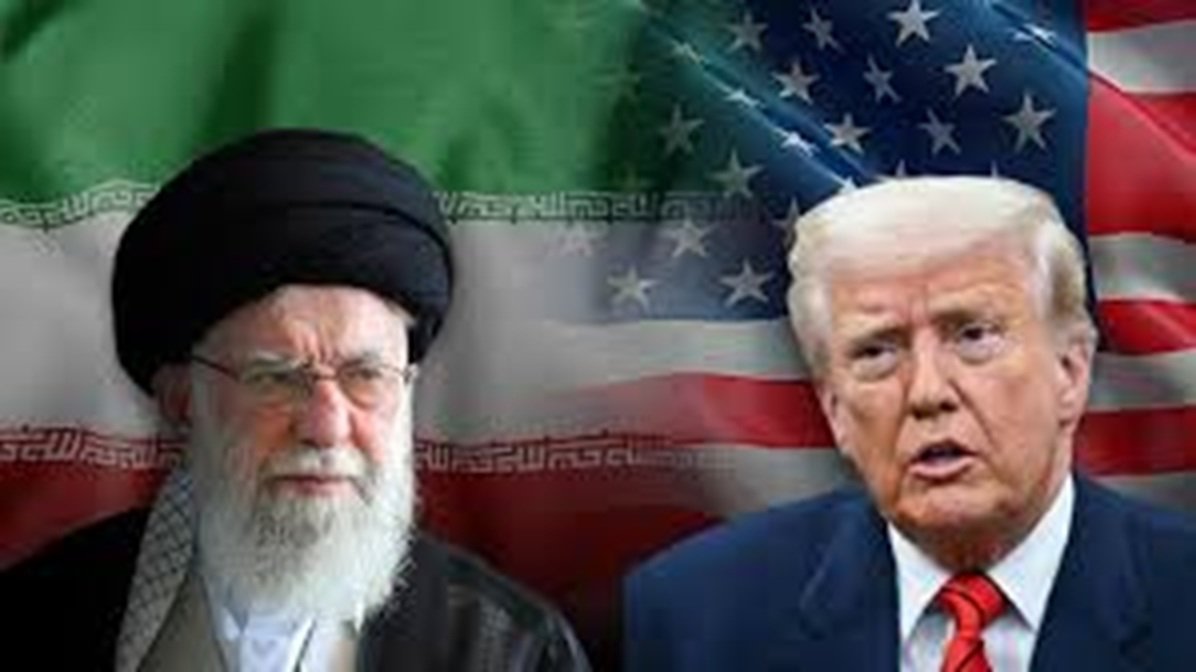
WAR-REPORT: The United States and Iran will reportedly resume nuclear negotiations in the near future. Neither side has changed its position on key issues, including Iranian uranium enrichment and Iran’s missile program, however. US President Donald Trump announced on June 25 that the United States and Iran will meet next week to discuss a potential nuclear deal.
Iranian Foreign Affairs Minister Abbas Araghchi dismissed Trump’s announcement that Iran and the United States will meet in Oman next week, however. Israeli media reported on June 26 that the United States plans to present Iran with three baseline demands, including a total ban on uranium enrichment in Iran, the removal of all of Iran’s highly enriched uranium stockpile, and limitations on future missile production. Western media reported that these proposals are ”preliminary and evolving,” except for the US demand for zero uranium enrichment, which is non-negotiable.


Trump said on June 26 that “the only thing we’d be asking for is what we were asking for before.” US Special Envoy to the Middle East Steve Witkoff similarly told Western media on June 26 that uranium enrichment and Iranian weaponization are red lines for the United States. The United States made these same demands during the US-Iran nuclear negotiations between April and June 2025. Iran repeatedly rejected the US demands for zero uranium enrichment and limits to its ballistic missile program prior to the conflict, stating that its ballistic missile program and uranium enrichment on Iranian soil were non-negotiable red lines.
Three unspecified diplomats told Reuters on June 19 that Witkoff and Araghchi spoke several times during the Israel-Iran War to discuss the previous US nuclear proposal. Two unspecified sources told Western media on June 26 that at least one preliminary US draft proposal includes several incentives for Iran. The incentives reportedly include sanctions relief, the release of $6 billion of frozen Iranian funds, monetary support from US-backed Gulf allies to replace the Fordow nuclear facility with a “non-enrichment program,” and an estimated $20 to $30 billion investment to establish a civilian nuclear energy program. Four unspecified sources stated that these incentives are “all part of an intensifying attempt to bring Tehran back to the negotiating table.”


Iran will likely reject any US nuclear proposal that requires Iran to halt uranium enrichment on Iranian soil given that Iran has maintained its position on uranium enrichment from before the Israel-Iran War. Senior Iranian officials have emphasized since the start of the Israel-Iran ceasefire that Iran will not change its position on uranium enrichment. Iranian First Vice President Mohammad Reza Aref, for example, stated on June 25 that Iran will not negotiate its right to enrich uranium on Iranian territory. Iran’s continued rejection of the US demand for zero uranium enrichment after the conflict suggests that Iran is unlikely to make concessions during the reported upcoming talks. The United States and Israel have suggested that they would resume strikes on Iran if Iran decides to rebuild its nuclear program.


Iran has made the recognition of its right to enrich uranium a precondition for the International Atomic Energy Agency (IAEA) to be able to inspect Iranian nuclear facilities. Iran’s Guardian Council approved a bill on June 26 that suspends Iran’s cooperation with the IAEA and bars inspectors from accessing Iran’s nuclear facilities. The bill requires Iran to suspend cooperation with the IAEA until the IAEA recognizes Iran’s right to enrich uranium. The bill also states that the international community must show “full respect … [for the] security of nuclear sites and scientists,” likely to try to protect Iran’s nuclear facilities from further US or Israeli strikes. Iran has historically restricted IAEA oversight in Iran, including by withdrawing the certifications of several inspectors in September 2023 and barring other top inspectors in November 2024.