


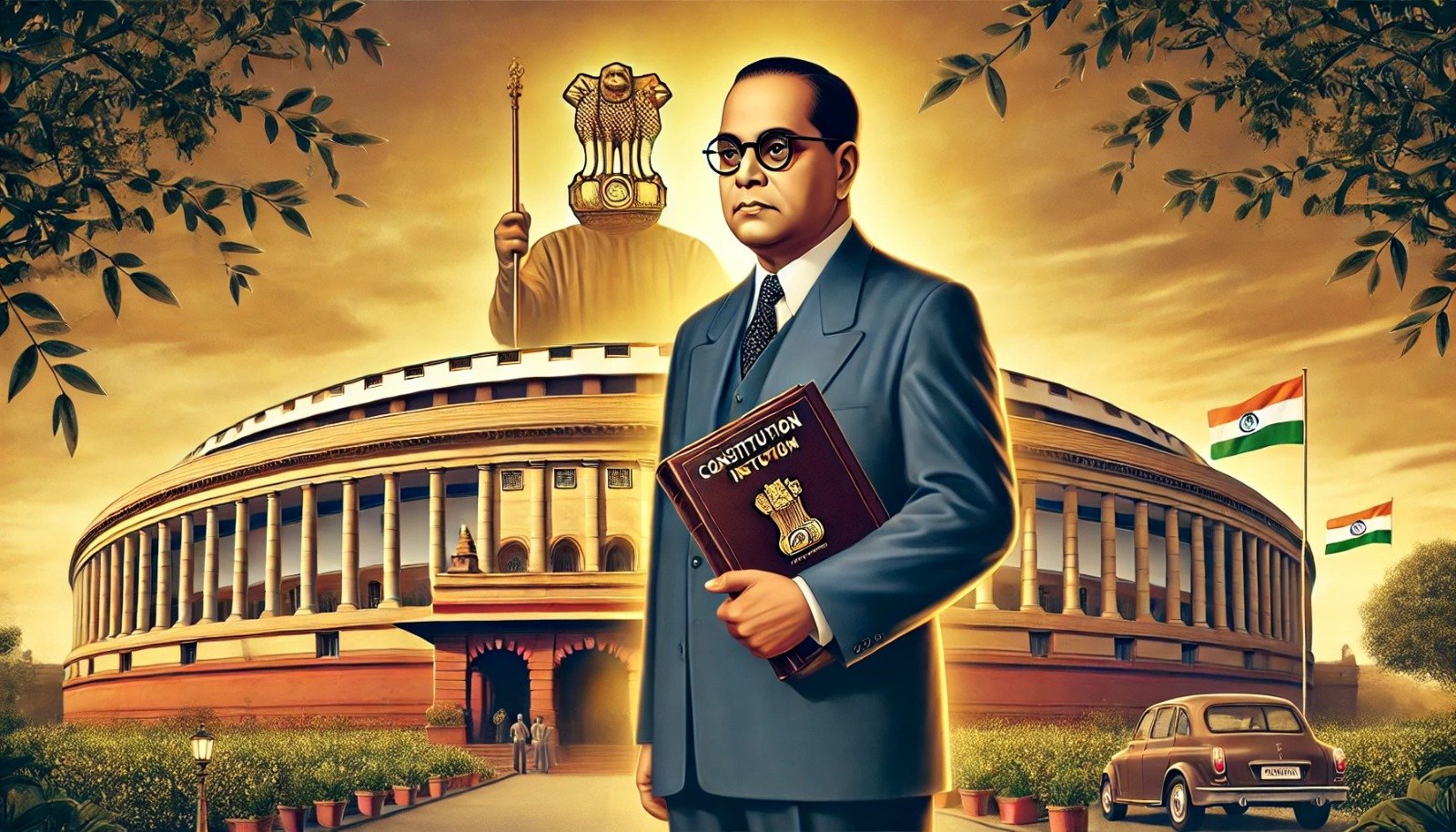
The right to vote is the cornerstone of democracy, a sacred gift bestowed upon every Indian citizen through the tireless efforts of Dr. B R Ambedkar, the architect of the Indian Constitution. As Babasaheb once remarked, “Democracy is not merely a form of government. It is primarily a mode of associated living, of conjoint communicated experience.”
When the Indian Constitution came into force in 1950, it made history by granting universal adult suffrage, allowing every adult—regardless of caste, gender, religion, or wealth—to participate in the democratic process. This monumental achievement reflected the values of equality and justice, and it positioned India as a beacon of hope in a world where suffrage was often limited to elites.

From a right to a commodity: The erosion of vote value
Over time, however, the sanctity of voting has been overshadowed by the growing menace of electoral corruption. What was meant to be a powerful tool for change has, in many cases, become a commodity for sale. Politicians, driven by the desire for power at any cost, have resorted to vote-buying through cash, liquor, and freebies. Tragically, many voters have succumbed to these tactics, selling their votes and, in turn, compromising the integrity of democracy.
As Abraham Lincoln once said, “Elections belong to the people. It is their decision. If they decide to turn their back on the fire and burn their behinds, then they will just have to sit on their blisters.” This quote aptly captures the consequences of voters prioritizing short-term gains over long-term governance.


Why politicians buy votes and why voters sell them?
Vote-buying stems from a deeply flawed political culture where success is measured by winning at any cost, not by serving the public. Politicians often exploit poverty, illiteracy, and desperation among voters, offering immediate benefits instead of meaningful policies.

Voters, on the other hand, sell their votes due to economic struggles, lack of awareness about the importance of their decision, or disillusionment with the political system. When voters lose faith in governance, they may feel their vote holds no value, turning it into a transactional exchange rather than a civic duty.
The danger to democracy: A crisis of accountability
When votes are bought and sold, the essence of democracy crumbles. Elected representatives lose accountability to the people, focusing instead on recovering their campaign investments. This fosters a culture of corruption, poor governance, and the erosion of public trust in democratic institutions.
Dr. Ambedkar warned of such dangers, stating, “The working of a Constitution does not depend wholly upon the nature of the Constitution. The Constitution can provide only the organs of State such as the legislature, the executive, and the judiciary. The factors on which the working of those organs of the State depends are the people and the political parties.”

The problem of voter apathy
Another significant challenge is voter apathy, where citizens abstain from voting altogether. According to Mahatma Gandhi, “Bad officials are elected by good citizens who do not vote.” When citizens fail to exercise their right to vote, they leave the decision-making to a minority, often allowing unworthy candidates to rise to power.
The reasons for voter apathy range from lack of awareness and logistical challenges to disillusionment with political choices. This further widens the gap between democratic ideals and their practice.
Reclaiming the right to vote: The path forward
To restore the sanctity of the vote and strengthen democracy, concerted efforts are required from multiple stakeholders:
Political accountability: Political parties must prioritize policy-based campaigns over handouts and promises of freebies. Strict laws against vote-buying must be enforced, with severe penalties for violators.
Voter education: Awareness campaigns about the power of voting and its long-term impact on governance must reach every citizen, especially in rural and marginalized communities.
Civic responsibility: Citizens must recognize voting as a moral and civic duty. As John F Kennedy said, “The ignorance of one voter in a democracy impairs the security of all.”
Electoral reforms: Strengthening institutions like the Election Commission of India (ECI) is critical. Measures such as monitoring campaign spending, ensuring free and fair elections, and promoting voter participation must be prioritized.
Empowering civil society: NGOs and advocacy groups can play a crucial role in bridging the gap between voters and awareness, ensuring people make informed choices.
A call to action
The right to vote is the breath of democracy, as vital to its survival as oxygen is to life. It was granted not just as a privilege but as a responsibility—a tool for the people to shape their future. As the nation celebrates National Voters’ Day, let us pledge to honor this legacy by voting wisely, rejecting corruption, and safeguarding the ideals of the Constitution.
Dr. Ambedkar’s vision remains as relevant today as it was in 1950: “We are Indians, firstly and lastly.” By reclaiming the true value of our vote, we can ensure a future where democracy thrives, and every citizen is empowered to contribute to the nation’s progress.