

5 Explosive Questions in The Kerala Story Controversy That Divide Indian Cinema
By Doruvu Paul Jagan Babu: Assistant Chief Editor

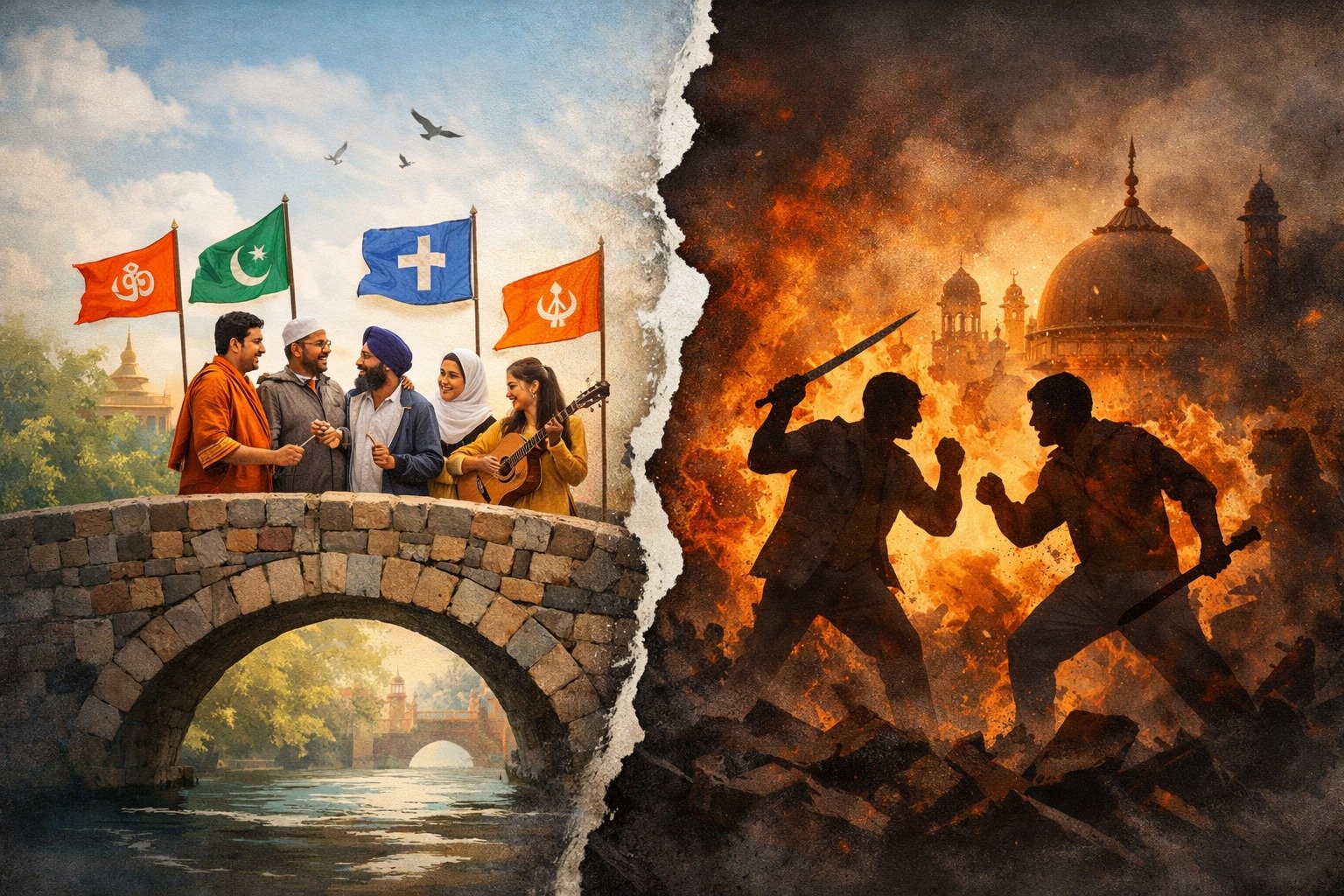
At its finest, cinema is a mirror to society — and at its noblest, a bridge between its many fragments. Yet, when films trade nuance for propaganda and diversity for division, they risk turning art into an instrument of estrangement. The debate surrounding films such as The Kerala Story and its sequel has rekindled an urgent question: Should cinema heal a nation’s fractures, or deepen them?
When art becomes ammunition

History offers cautionary lessons. The propaganda films shaped under the influence of Joseph Goebbels in 1930s Germany demonstrated how powerful visual storytelling could be weaponised to construct enemies and consolidate political narratives. “If you tell a lie big enough and keep repeating it,” Goebbels notoriously suggested, “people will eventually come to believe it.”
Critics argue that whenever cinema reduces complex social realities into rigid binaries — hero and villain, insider and outsider, majority and minority — it risks normalising suspicion and resentment. Art then ceases to illuminate truth and begins to engineer perception.
The controversy around The Kerala Story
The 2023 film The Kerala Story generated widespread debate with its initial claim that 32,000 women from Kerala were forcibly converted — a figure that later faced intense scrutiny and revision. Civil society groups, public figures and sections of the audience questioned both the data and the narrative framing.

With the teaser of The Kerala Story 2 released under the tagline “Goes Beyond,” celebrities and commentators have expressed concern that the sequel may further strain communal harmony. They describe it as a cultural provocation in a state often celebrated for its pluralistic ethos.
Kerala Chief Minister Pinarayi Vijayan publicly questioned how films perceived as divisive receive certification, observing that it is troubling when content seen as spreading discord is allowed to circulate widely.
Cinema’s responsibility in a diverse nation

India has long described itself as a land of unity in diversity — a mosaic of languages, faiths and traditions coexisting across centuries. As Rabindranath Tagore wrote, “The highest education is that which does not merely give us information but makes our life in harmony with all existence.”
Cinema, as one of the most influential cultural mediums, carries a profound responsibility. It can either strengthen the bonds of coexistence or erode them.
Films in the past demonstrated how storytelling could spotlight injustice and inspire reform without demonising communities. It addressed agrarian struggles and social inequities while inviting empathy rather than hostility. Such works reveal cinema’s power as a vehicle for social awakening rather than social fracture.
The power and peril of narrative
Observers note that in recent years, certain strands of mainstream cinema have increasingly turned to narratives rooted in historical grievance or contemporary anxieties. While artistic freedom remains fundamental in a democracy, it is equally vital to recognise that storytelling shapes collective memory.
As George Orwell warned, “The most effective way to destroy people is to deny and obliterate their own understanding of their history.” When narratives amplify unverified claims or selectively frame communities, the effects can extend far beyond the theatre hall.
Certification and cultural accountability
The role of the Central Board of Film Certification has also come under discussion. Questions arise about the standards applied when certifying films that critics say may inflame social tensions.
Artistic liberty is essential. Yet liberty flourishes best when accompanied by ethical reflection. In a society marked by deep diversity, cinema cannot be divorced from its social consequences.
A call for cultural vigilance
Social activists urge audiences to approach politically charged cinema with discernment, reminding viewers that popularity does not automatically confer authenticity. They argue that critical engagement — rather than passive consumption — is vital to preserving social harmony.
Martin Luther King Jr. once said, “We must learn to live together as brothers or perish together as fools.” In a nation woven from multiple faiths and cultures, that message resonates powerfully.
The bridge or the barrier?
Cinema can be a luminous bridge — carrying stories across differences, cultivating empathy and reinforcing democratic values. Or it can become a barrier, reinforcing mistrust and division.
The responsibility ultimately rests not only with filmmakers and certification bodies, but also with audiences. In choosing what to endorse and celebrate, society shapes the moral direction of its cultural landscape.
Art, culture and tradition reach their highest purpose when they unite people in shared humanity. When they divide, they diminish both the canvas and the country.