

Iranian Regime Divisions Surface Amid Deadly Crackdown and Ongoing Internet Shutdown
By Samir Singh 'Bharat': Chief Editor

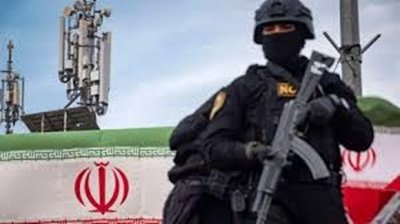
WAR-REPORT : Some Iranian officials have continued to leak damaging information about the government’s violent suppression of nationwide protests to Western media outlets, suggesting internal dissent within the regime over the scale and brutality of the crackdown.
The New York Times reported on January 25 that Iran’s Supreme Leader Ayatollah Ali Khamenei issued a directive on January 9 to the Supreme National Security Council (SNSC) ordering it to suppress the protests “by any means necessary.” The report, citing two Iranian officials briefed on the directive, said security forces were instructed to shoot protesters and “show no mercy.” Anti-regime media outlets similarly reported on January 13 that Khamenei had personally ordered the killing of protesters and that the SNSC authorized the use of live ammunition against demonstrators.


These accounts align with earlier reports indicating that SNSC Secretary Ali Larijani played a central role in coordinating the crackdown. On January 15, the United States Treasury Department sanctioned Larijani, stating that he was “responsible for coordinating the response to the protests on behalf of the Supreme Leader of Iran.” The alleged directives and the use of lethal force are consistent with widespread reports of mass casualties during the protests.
Two senior Iranian officials separately told TIME magazine on January 25 that as many as 30,000 people may have been killed on January 8 and 9 alone. Other Iranian sources, including individuals linked to the SNSC and the Islamic Revolutionary Guards Corps (IRGC), have previously provided Western media with similarly high death toll estimates. The continued leaking of such information by regime insiders indicates that some officials may oppose the violent response and seek to expose its true scale.

These disclosures also undermine Tehran’s ongoing information campaign, which portrays Iranian security forces as victims of “terrorism” while downplaying or concealing the regime’s use of lethal force against civilians.
Meanwhile, the Iranian government has yet to restore full international internet access, amid apparent internal disagreements over whether doing so could trigger renewed protests or ease mounting economic pressure. The regime shut down the internet on January 8 in an effort to prevent protest coordination and to obscure the severity of the crackdown.


Internet monitoring organization Netblocks reported on January 25 that Iran’s internet shutdown remained largely in place, despite brief and limited connectivity spikes. IRGC-affiliated media outlets claimed on January 23 that international internet access would be fully restored nationwide by January 24. However, Iran’s Ministry of Information and Communications Technology denied this claim on January 25, stating only that it was “diligently pursuing improvements in the accessibility situation.”
Conflicting narratives from IRGC-linked media suggest divisions within the organization itself. On January 25, the IRGC-affiliated Tasnim News Agency criticized calls to restore internet access for economic reasons, arguing that economic activity requires a stable security environment. In contrast, an IRGC-affiliated Telegram channel warned on January 21 that the continued shutdown threatens Iran’s “national security interest,” as prolonged economic disruption could intensify public anger and unrest.
Together, the leaks and policy disputes highlight growing fractures within Iran’s political and security establishment as it grapples with the fallout from one of the most violent protest crackdowns in recent history.