

Iran Links Participation in U.S. Talks to Lebanon Ceasefire
By Samir Singh 'Bharat': Editor In Chief

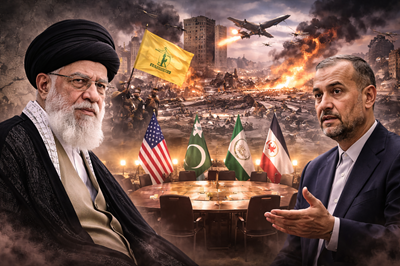
WAR-REPORT : Iran has taken a firm and strategically significant position in the evolving diplomatic landscape of the Middle East: it will not participate meaningfully in upcoming negotiations with the United States in Islamabad unless a ceasefire is first achieved in Lebanon. This condition has introduced a new level of complexity into already fragile diplomatic efforts and underscores how deeply interconnected the region’s conflicts have become.
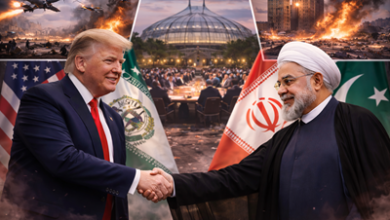
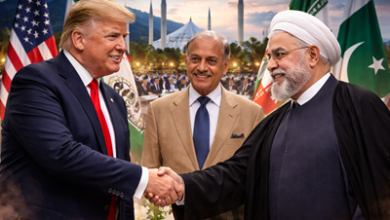
The United States and Iran recently agreed to a temporary two-week ceasefire, facilitated through mediation efforts, with the intention of creating space for structured negotiations. These talks, scheduled to begin in Islamabad, were initially seen as a critical opportunity to de-escalate tensions and potentially move toward a broader agreement.

However, Iran’s decision to condition its participation on developments in Lebanon has complicated this process. Tehran is signaling that it does not view the conflict with the United States as an isolated issue but rather as part of a wider regional confrontation that includes its allies and adversaries.
By linking negotiations to a ceasefire in Lebanon, Iran is effectively expanding the scope of the diplomatic agenda. It is making clear that any agreement must address not only bilateral tensions but also the broader security environment, particularly Israeli military operations against Hezbollah.
Lebanon as a Central Factor
Lebanon has emerged as a critical focal point in the current crisis. Israeli military operations targeting Hezbollah have intensified, and these actions are seen by Iran as directly relevant to the overall conflict. Tehran’s position reflects its strategic relationship with Hezbollah and its broader regional posture.

From Iran’s perspective, continuing military operations in Lebanon undermine the credibility of any ceasefire arrangement that excludes this front. As a result, Tehran is insisting that a comprehensive halt to hostilities must include Lebanon in order for negotiations to proceed in a meaningful way.
This stance has created a fundamental divergence between the parties involved. While Iran is pushing for a broader regional ceasefire, the United States and Israel have indicated that their agreement does not extend to Lebanon. This difference in interpretation presents a significant obstacle to progress.
The two-week ceasefire agreement between the United States and Iran was initially welcomed as a positive step toward reducing tensions. However, the conditions attached to Iran’s participation highlight the fragile nature of the arrangement.

If fighting in Lebanon continues, Iran may choose to withdraw from the negotiation process altogether. Such a move would undermine the ceasefire framework and increase the likelihood of renewed confrontation. The situation therefore remains highly uncertain, with diplomacy dependent on developments across multiple fronts.
The limited scope of the ceasefire also raises questions about its effectiveness. While it may reduce direct hostilities between the United States and Iran, it does not address the broader network of conflicts that define the region. This gap creates the potential for continued instability even during the ceasefire period.
Strategic Objectives Behind Iran’s Position
Iran’s decision to link its participation to a Lebanon ceasefire reflects a calculated strategy aimed at maximizing its leverage in negotiations. Several key objectives appear to be driving this approach.
First, Iran seeks to broaden the negotiation agenda. By insisting on a regional ceasefire, it ensures that discussions will address issues beyond the immediate U.S.–Iran relationship. This allows Tehran to bring its regional interests into the conversation and strengthen its bargaining position.
Second, Iran is signaling its commitment to its allies. By tying its own actions to the situation in Lebanon, it reinforces its support for Hezbollah and other aligned groups. This helps maintain cohesion within its regional network and demonstrates that it will not abandon its partners.
Third, Iran is attempting to increase pressure on its adversaries. Expanding the scope of negotiations makes it more difficult for the United States and its allies to isolate specific issues or impose unilateral conditions. It also forces mediators to consider a wider range of factors.
Finally, Iran is positioning itself to influence the outcome of any eventual settlement. By setting conditions early in the process, it aims to shape the framework within which negotiations take place.
The evolving situation presents significant challenges for mediators seeking to facilitate dialogue. Efforts to bring the United States and Iran to the negotiating table have already required substantial diplomatic engagement. Expanding the scope of discussions to include Lebanon adds another layer of complexity.
Mediators must now navigate competing priorities and conflicting interpretations. On one hand, there is a need to maintain momentum in U.S.–Iran negotiations. On the other, there is pressure to address the broader regional context in order to ensure a meaningful and lasting outcome.
Balancing these considerations will require careful coordination and sustained effort. It will also depend on the willingness of all parties to engage constructively and consider potential compromises.
Regional Implications
The situation has broader implications for the Middle East as a whole. The interconnected nature of regional conflicts means that developments in one area can quickly affect others. A failure to achieve a ceasefire in Lebanon could lead to further escalation and draw additional actors into the conflict.
There is also the risk of increased instability affecting key economic and strategic areas. The region includes critical energy routes and infrastructure, and any disruption could have global consequences. This adds urgency to efforts to stabilize the situation.
At the same time, the current moment presents an opportunity. The existence of a ceasefire agreement, even a limited one, provides a foundation for further diplomatic engagement. If managed effectively, it could lead to broader discussions and potentially more comprehensive agreements.
Risks of Escalation
Several risks are associated with the current situation. The most immediate is the potential collapse of negotiations if Iran withdraws due to continued fighting in Lebanon. This would remove a key channel for dialogue and increase the likelihood of renewed hostilities.
There is also the possibility of regional escalation. Continued conflict in Lebanon could trigger responses from other actors, leading to a widening of the conflict. This would further complicate efforts to achieve stability.
Economic risks are also significant. Instability in the region can affect global energy markets and supply chains, particularly if tensions impact major transit routes. This underscores the importance of maintaining stability in key areas.
Finally, there are humanitarian concerns. Ongoing military operations continue to affect civilian populations, and a failure to achieve a broader ceasefire would prolong these challenges.
The Path Forward
The upcoming negotiations in Islamabad represent a critical moment for diplomacy. They offer an opportunity to address longstanding issues and explore potential solutions. However, their success will depend on several factors.
First, there must be a willingness to engage in meaningful dialogue. This includes recognizing the concerns of all parties and working toward mutually acceptable solutions.
Second, there must be progress on key issues, including the situation in Lebanon. Without addressing this front, it will be difficult to sustain the broader ceasefire framework.
Third, mediators must continue to play an active role in facilitating discussions and managing tensions. Their ability to coordinate efforts and maintain momentum will be essential.
Our Media Opinion
Iran’s decision to link its participation in U.S. negotiations to a ceasefire in Lebanon has significantly altered the dynamics of the diplomatic process. While it reflects Tehran’s strategic priorities, it also introduces new challenges that could either advance or hinder efforts toward peace.
The situation remains highly fluid, with multiple factors influencing the outcome. The coming days will be critical in determining whether diplomacy can succeed in reducing tensions and creating a pathway toward a more stable regional order.
Ultimately, the success of these efforts will depend on the ability of all parties to navigate complex and interconnected issues, balance competing interests, and commit to a sustained process of dialogue. Without such efforts, the risk of further escalation will remain a central concern.