

Iran Rejects Ceasefire Proposal as Tensions Escalate Over the Strait of Hormuz
By Samir Singh 'Bharat': Editor In Chief

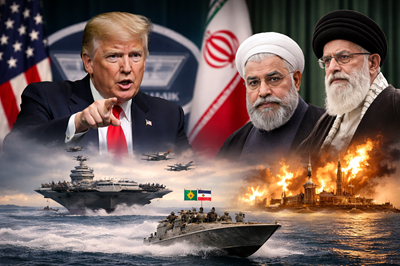
WAR-REPORT : Iran’s decision to reject a United States-backed ceasefire proposal on April 6 marks a critical turning point in the ongoing conflict, significantly reducing the likelihood of a near-term diplomatic resolution. The proposal, reportedly brokered with the assistance of Pakistan, sought to establish an immediate pause in hostilities followed by structured negotiations aimed at achieving a lasting settlement and reopening the strategically vital Strait of Hormuz. However, Iran’s refusal underscores deep divisions between the two sides and highlights the broader geopolitical stakes surrounding the conflict.
At the heart of the disagreement lies a fundamental divergence in objectives. The United States has pushed for an immediate ceasefire as a confidence-building measure to stabilize the situation and create space for diplomatic engagement. Iran, by contrast, has insisted on a comprehensive and permanent resolution that addresses not only the current hostilities but also the broader regional dynamics and long-standing grievances. This difference in approach has complicated efforts to reach common ground and has contributed to the collapse of the latest negotiation attempt.

The Pakistani-brokered proposal was designed as a phased approach to de-escalation. It called for an immediate cessation of military activities, followed by several weeks of negotiations to address key issues, including the reopening of the Strait of Hormuz. This waterway, which serves as a critical conduit for global energy supplies, has become a focal point of the conflict. Any disruption to shipping through the strait has far-reaching implications for international markets and economic stability.
Iran’s rejection of the proposal was accompanied by the presentation of a counterproposal that included a set of ten demands. According to Iranian state media, these demands reflect Tehran’s broader strategic objectives and its desire to secure a favorable post-war settlement. Among the key elements of Iran’s proposal are a lasting ceasefire across the region, the establishment of a “protocol for safe passage” through the Strait of Hormuz, international support for reconstruction efforts within Iran, and the lifting of economic sanctions imposed by the United States and its allies.
The demand for a regional ceasefire is particularly significant, as it appears to extend beyond the immediate conflict between Iran and the United States. Analysts interpret this as a call for an end to hostilities involving Iran’s allies, including Hezbollah in Lebanon. By linking its own position to the broader regional context, Iran is seeking to leverage its influence over allied groups to strengthen its negotiating position. This approach reflects the interconnected nature of conflicts in the Middle East, where developments in one area often have implications for others.

The proposed “protocol for safe passage” through the Strait of Hormuz is another key aspect of Iran’s counterproposal. While the exact details of this mechanism remain unclear, it is widely believed to involve some form of Iranian oversight or regulation of maritime traffic through the strait. Such a system would effectively formalize Iran’s role in managing one of the world’s most important shipping routes, potentially giving it significant leverage over global energy flows. This demand highlights Iran’s strategic use of geography as a tool for advancing its interests.
The United States has responded to Iran’s counterproposal with clear skepticism. President Donald Trump described the terms as “not good enough,” signaling Washington’s unwillingness to accept what it views as excessive demands. U.S. officials have characterized Iran’s position as “maximalist,” suggesting that it seeks to extract concessions that go beyond what is feasible in the current context. This exchange underscores the widening gap between the two sides and the challenges of bridging their respective positions.
The failure to reach an agreement before the April 7 deadline set by President Trump has further heightened tensions. The deadline was intended to create urgency and compel Iran to engage constructively in negotiations. However, instead of facilitating progress, it appears to have contributed to a hardening of positions on both sides. The looming threat of military escalation has added to the sense of urgency but has also increased the risks associated with miscalculation.

President Trump has reiterated his willingness to take decisive military action if Iran does not agree to a deal. In a White House press conference on April 6, he outlined a plan to target Iranian infrastructure, including bridges and power plants, in the event of continued non-compliance. According to Trump, the United States has the capability to “decimate” critical infrastructure across Iran within a short timeframe. This rhetoric reflects a strategy of coercive diplomacy, aimed at pressuring Iran to make concessions by demonstrating the potential costs of inaction.
U.S. defense officials have indicated that preparations for such strikes are already underway. Reports suggest that American forces are on high alert and ready to execute operations targeting Iranian energy infrastructure if ordered to do so. Defense Secretary Pete Hegseth has stated that the United States has already conducted some of the most extensive strikes since the conflict began and is prepared to escalate further. These developments point to a rapidly deteriorating security environment, with both sides positioning themselves for potential confrontation.
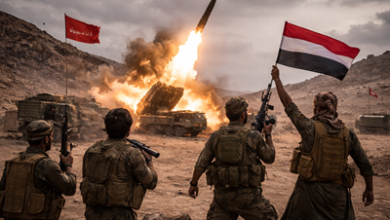
Amid these rising tensions, there are indications that Iran and its regional allies are coordinating their actions more closely. On April 6, a series of attacks targeting Israel appeared to involve simultaneous efforts by Iran, Hezbollah, and the Houthi movement in Yemen. These attacks triggered air raid sirens across multiple regions of Israel, including northern, central, and southern areas, within a short span of time. The synchronization of these operations suggests a high level of coordination and a deliberate attempt to maximize their psychological impact.
Although the attacks were limited in scale and did not result in significant damage, their timing and coordination carry important strategic implications. By demonstrating the ability to launch simultaneous strikes from multiple fronts, Iran and its allies are signaling their capacity to challenge Israel’s defenses and create a sense of vulnerability. This approach may be intended to compensate for Iran’s limited ability to conduct large-scale direct attacks, while still exerting pressure on its adversaries.
The involvement of multiple actors in these coordinated attacks highlights the complexity of the regional security landscape. Iran’s network of allied groups, often referred to as the “Axis of Resistance,” plays a central role in its strategy. By leveraging these relationships, Iran is able to extend its influence and project power beyond its borders. However, this approach also increases the risk of broader escalation, as actions by one actor can trigger responses from others.
The Strait of Hormuz remains a critical element in this evolving situation. As a key artery for global energy supplies, its security is of paramount importance to the international community. Iran’s efforts to use the strait as a bargaining tool reflect its recognition of this strategic significance. By threatening to disrupt shipping or impose new conditions on maritime traffic, Iran seeks to create leverage that can be used in negotiations.
At the same time, any disruption to the strait carries significant risks. It could lead to sharp increases in energy prices, disrupt global supply chains, and provoke strong responses from countries that rely on its continued operation. These potential consequences underscore the importance of maintaining stability in the region and finding a diplomatic solution to the current الأزمة.
The broader implications of Iran’s rejection of the ceasefire proposal are profound. It suggests that the conflict may be entering a more protracted and volatile phase, with increased potential for escalation. The combination of military posturing, coordinated attacks, and diplomatic deadlock creates a highly uncertain environment, where small developments can have outsized effects.
For the international community, the situation presents a complex challenge. Efforts to mediate between the United States and Iran will need to address not only the immediate issues but also the underlying factors driving the conflict. This includes questions related to regional security arrangements, economic sanctions, and the role of non-state actors.
Our Media Opinion, Iran’s rejection of the ceasefire proposal reflects a strategic calculation aimed at securing long-term advantages rather than accepting a temporary pause in hostilities. By linking its demands to broader regional issues and leveraging its position in the Strait of Hormuz, Iran is seeking to reshape the terms of engagement. However, this approach has also increased the risk of further escalation, particularly in light of the United States’ willingness to consider military action. As tensions continue to rise, the need for careful diplomacy and effective conflict management becomes increasingly urgent.