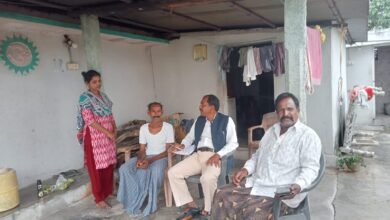


Farmers to storm CM’s office over Burley tobacco crisis
By Doruvu Paul Jagan Babu: Assistant Chief Editor

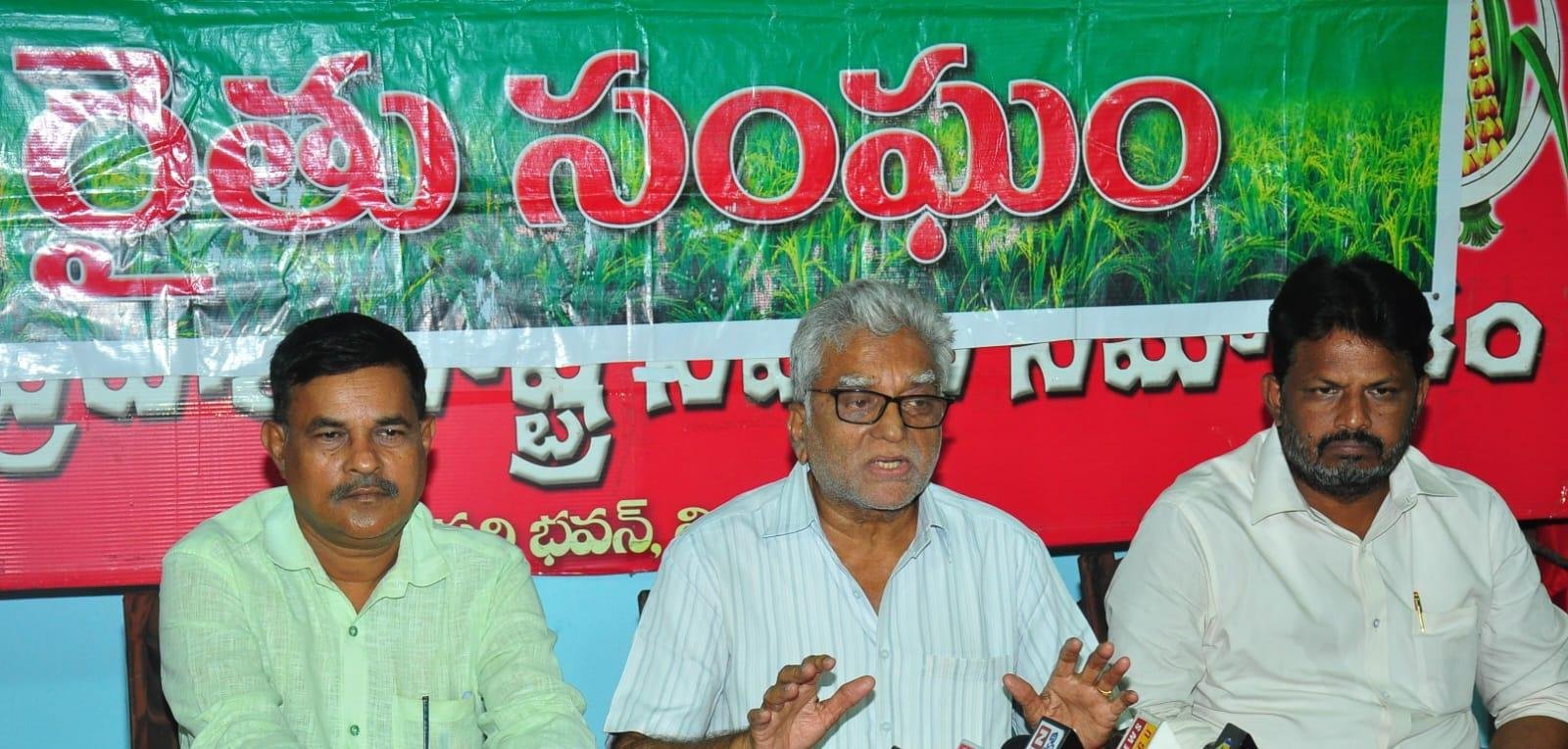
Guntur – Andhra Pradesh: On May 5, Andhra Pradesh farmers plan to besiege the Chief Minister’s office, demanding immediate government intervention to purchase Burley tobacco at last year’s rate of Rs 18,000 per quintal, amid severe financial losses.
Farmers’ dire situation
The Andhra Pradesh Farmers’ Association Coordination Committee, meeting in Guntur’s Mallaiah Lingam Bhavan, highlighted the plight of Burley tobacco farmers across nine districts. Last year, tobacco fetched Rs 18,000 per quintal, but this year prices have plummeted to Rs 4,000–5,000, causing significant losses. Farmers, many of whom are agricultural workers and tenants, invested Rs 1.65 lakh per acre, often renting land at Rs 35,000–40,000 per acre, only to face neglect from companies like ITC and GPI, which had initially promised to buy all produce.
Demands for government action
Led by Senior Chairman Y Kesava Rao, the committee demands that the state government and Tobacco Board take responsibility for purchasing both white and black Burley tobacco at remunerative prices. They also call for coordination with tobacco companies to ensure fair pricing and financial support for farmers, including a Rs 25 lakh aid package for affected families, as stated in a Medarametla press conference by State General Secretary KVV Prasad.


Planned protests and strategy
The committee has outlined a phased agitation plan: meetings in tobacco-growing areas by April 25, petitions to MPs, MLAs, and companies by April 30, culminating in a mass rally at the CM’s office on May 5. Leaders G Eswaraiah and P Jamalayah urged farmers to join the movement, emphasizing the government’s duty to prevent further distress and suicides among tenant farmers burdened by high-interest loans.

Call for systemic change
Prakasam District Farmers’ Association president Hanuma Reddy criticized the government’s failure to implement Swaminathan Commission recommendations, linking it to broader agricultural distress. The committee vows to continue nationwide movements until fair prices are secured, demanding immediate steps to curb farmer suicides and pest-related losses, which have further reduced tobacco prices to Rs. 12,000–13,000 per quintal.