

From prayer to power: Why Christian youth must reclaim political wisdom
By Doruvu Paul Jagan Babu: Assistant Chief Editor

By drawing hard lessons from recent failures, Christian Scholar and Public Intellectual Dr. Mruthyunjaya L K, calls for a shift from passive faith to informed political participation—rooted in constitutional values, not hero worship.
A generational failure we must acknowledge
Mruthyunjaya offers a candid self-critique of Christian leadership across denominations, particularly among SC, ST and BC communities. For decades, he argues, elders and church leadership largely confined their focus to spiritual survival while avoiding political education, often fearing it would appear “worldly.”
This neglect, he says, has resulted in a generation that is emotionally driven rather than principle-driven, where constitutional thinking has been replaced by hero worship and faith identity confused with charisma and symbolism. This failure is not merely political—it is pastoral and moral.
When faith lacks political wisdom

Christian teaching, Mruthyunjaya reminds, never endorses political ignorance. While prayer, fasting and silent suffering were emphasized, crucial tools of civic engagement were ignored: understanding power structures, reading ideologies, analysing alliances and anticipating long-term consequences.
Reducing voting decisions to identity markers—“he is one of us” or “he speaks well”—has proven dangerous in contemporary India, where politics is shaped less by personalities and more by ideological ecosystems.
The danger of hero worship

Hero worship, whether religious or political, is described as both anti-democratic and anti-biblical. Biblical tradition consistently shows power being questioned, not romanticised—kings rebuked, leaders held accountable.
In India’s political reality, alliances matter more than individual images. A leader’s personal faith becomes irrelevant if they align with forces that undermine minority protections, normalise majoritarian dominance or silence dissent.
Why the BJP question matters
Addressing a sensitive but unavoidable issue, Mruthyunjaya asserts that the BJP cannot be viewed as just another political party. Its ideological core—Hindutva—is structurally incompatible with constitutional secularism, minority equality and freedom of conscience.
Normalising or supporting alliances with such forces, he warns, will ultimately recoil on SC, ST, BC communities and Christians, shrinking civic space and legitimising cultural exclusion. History, he notes, has demonstrated this pattern repeatedly.
Token gains, structural losses
The column sharply critiques the transactional politics some Christian leaders have settled for. The benefits, he argues, are often limited to token gestures—occasional political proximity, Christmas meals, burial ground permissions, compensation related to Israel visits, or pastors’ remuneration.
Meanwhile, fundamental concerns remain unaddressed: freedom to propagate faith, transparent and fair church construction approvals, and the safeguarding of constitutional rights. Such compromises, he says, serve the selfish interests of a few at the cost of the wider community.
Spirituality that ignores politics Is incomplete
Drawing from biblical examples—Joseph in Pharaoh’s administration, Daniel within imperial power, Esther acting politically to save her people—Mruthyunjaya stresses that Christian responsibility lies in both worship and wisdom. Faith must engage the physical and political realms, not retreat from them.
The way forward: Building a collective political voice
To reverse the damage, Mruthyunjaya proposes concrete steps:
Civic education through churches: Churches must teach the Constitution, minority rights, policy histories and political alliances—not party propaganda.
Mentorship, not dictation: Elders should guide youth to question leaders, reject personality cults and vote based on policies and long-term impact.
Political consolidation: Christian leadership must come under one political umbrella. By consolidating and polarising religious votes, Christians can build an independent and credible political voice in State Assemblies and the Lok Sabha—strengthening bargaining power, especially in post-electoral alliances.
A call to Christian youth
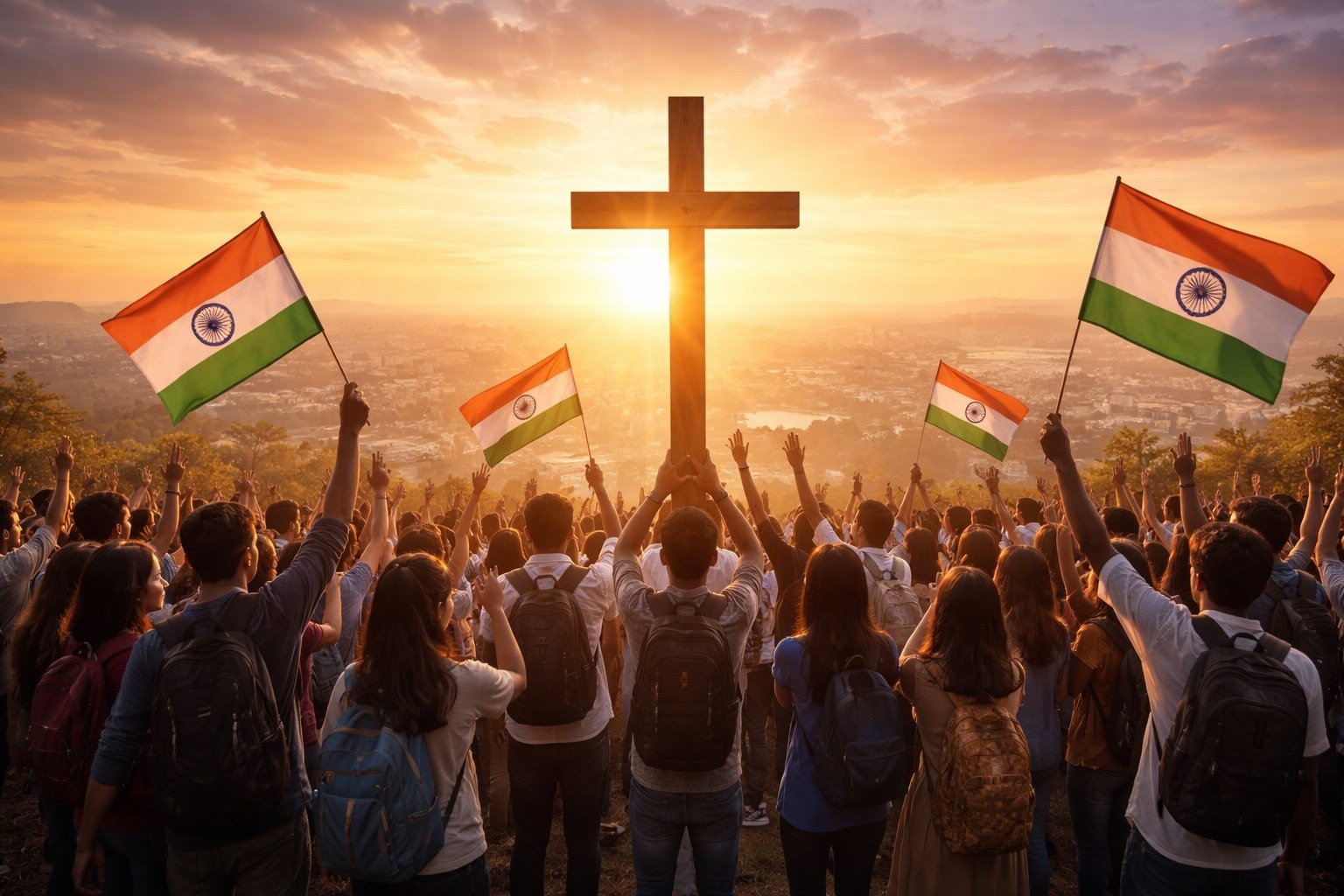
This call, Mruthyunjaya insists, is not anti-faith but pro-faith, pro-justice and pro-future. If Christians remain politically naïve or silent, others will decide their fate—leaving only prayers after irreversible damage is done.
For Christian youth, the message is clear: participate, question, vote wisely and organise collectively. Justice, he reminds, is not accidental—it must be consciously pursued, in the polling booth as much as in prayer.