


Israel and Hamas Enforce Ceasefire in Gaza Following Intense Negotiations
By Samir Singh 'Bharat': Chief Editor
 war-times.com
Send an email
13 October 2025
war-times.com
Send an email
13 October 2025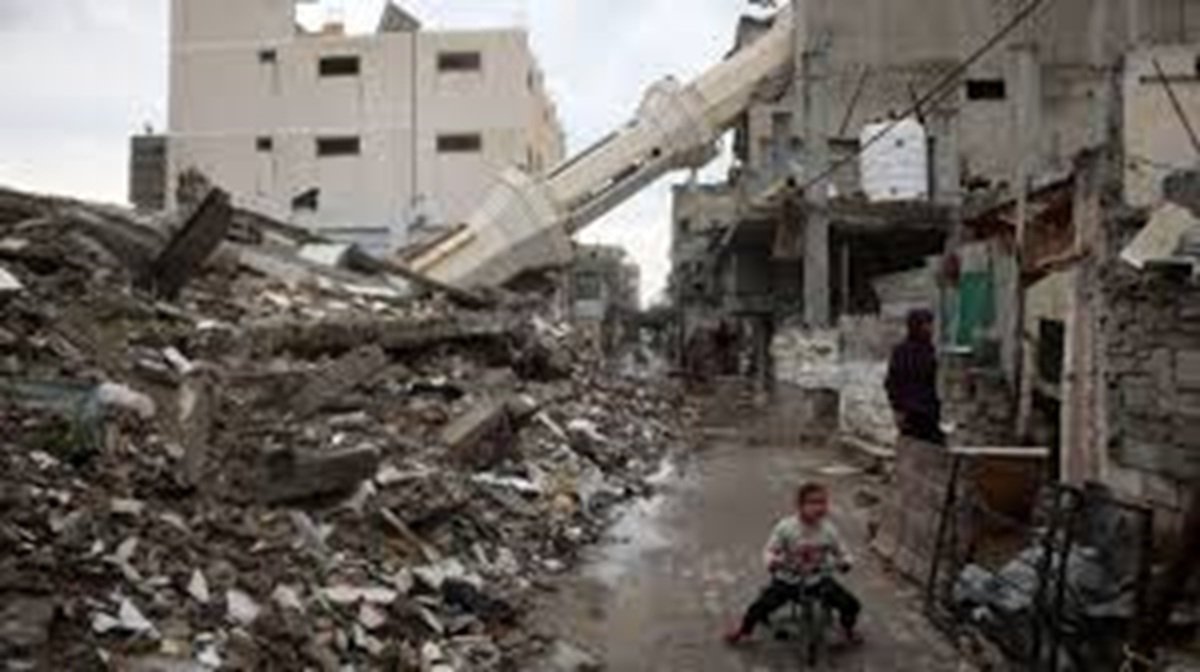
WAR-REPORT : Israel and Hamas officially implemented a ceasefire in the Gaza Strip at 5:00 AM ET on October 10, marking a temporary halt to months of violent conflict. The truce, however, leaves several key political and security issues unresolved—matters once proposed under former U.S. President Donald Trump’s peace plan—including the disarmament of Hamas, a complete Israeli withdrawal, and the future governance of Gaza.
The Israeli cabinet approved the ceasefire and hostage release resolution on October 9 after nearly two weeks of negotiations. According to Axios, assurances from former President Trump, who reportedly insisted that Israel must not abandon the deal, played a pivotal role in persuading Hamas to accept the agreement. Two U.S. officials cited Trump’s involvement as a “key factor” in finalizing the truce.

Key Terms of the Ceasefire
Before the ceasefire went into effect, the Israel Defense Forces (IDF) withdrew to the eastern half of the Gaza Strip, committing not to reenter western areas if Hamas upholds its obligations. Israeli forces currently retain control over roughly 53 percent of Gaza. Additionally, the IDF has suspended aerial surveillance over Palestinian-administered territories.
Under the agreement, Hamas will release all 20 living Israeli hostages within three days and return the remains of deceased captives it holds within the same period. In return, 600 truckloads of humanitarian aid are to enter Gaza daily to provide essential food, water, and medical supplies.

The ceasefire’s implementation and monitoring will be coordinated by U.S., Qatari, Egyptian, and Turkish officials. About 200 U.S. military personnel have been deployed to Israel to assist in overseeing the process, though none will enter Gaza directly.
Regional Reactions
Members of the Axis of Resistance—including Iran, Iraq, and Yemen’s Houthi movement—responded cautiously to the ceasefire, expressing both support and skepticism.
In Iraq, militia leaders celebrated the truce as a “victory” for the Palestinian cause, recalling their 2023 campaign of drone and rocket attacks on Israeli and U.S. targets in solidarity with Gaza.


In Tehran, Iran’s Supreme Leader warned that Israel could not be trusted to maintain peace, though an Iranian government spokesperson stated that the country supports any genuine step toward a ceasefire in Gaza.
Meanwhile, Houthi Supreme Leader Abdulmalik al-Houthi issued a warning on October 9, vowing continued “backup” for the people of Gaza should Israel fail to honor the agreement. The Houthis have launched hundreds of drones and ballistic missiles targeting Israel since late 2023 and retain the capability to resume such attacks at any time, even under a formal ceasefire.
Outlook
While the ceasefire offers a fragile reprieve from the devastating violence, it does not resolve deeper political disputes or address the long-term future of Gaza. With distrust still running high among regional actors and no clear path to a comprehensive peace, the truce remains a delicate and temporary pause rather than a definitive end to hostilities.
war-times.com
Send an email
13 October 2025