

Iran Moves Toward FATF Compliance Amid Rising Economic Strain, US Scales Back Troops in Iraq
By Samir Singh 'Bharat': Chief Editor

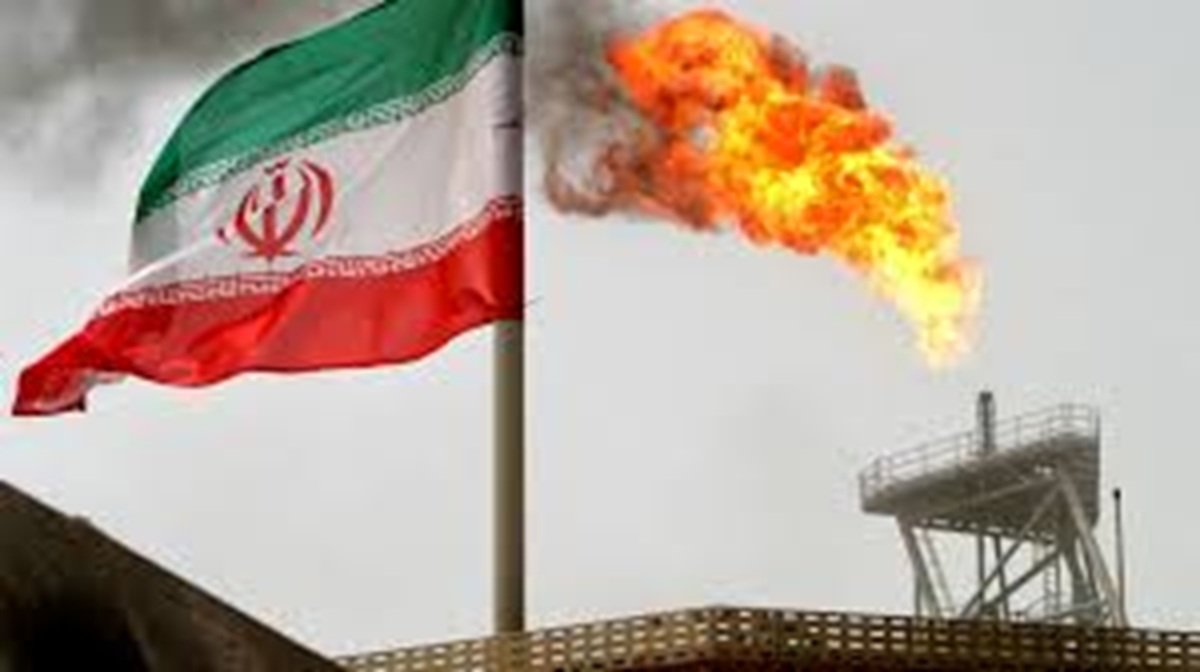
WAR-REPORT: The Iranian regime is taking steps to ease mounting economic pressures by moving closer to compliance with international financial standards set by the Financial Action Task Force (FATF). The FATF, which combats money laundering and terrorist financing, blacklisted Iran in February 2020 for failing to adopt key reforms, a move that severely restricted Tehran’s access to the global financial system.
On October 1, Iran’s Expediency Discernment Council approved accession to the Combating the Financing of Terrorism (CFT) convention — the last requirement for exiting the FATF blacklist. The Council had already approved Iran’s accession to the UN Convention against Transnational Organized Crime in May 2025. The CFT is designed to block terrorist organizations from gaining financial support.
The Expediency Council, an administrative body appointed by Supreme Leader Ali Khamenei, often mediates between the Iranian Parliament and the Guardian Council. It is currently led by Sadegh Amoli Larijani, who has long opposed FATF membership. His brother, Ali Larijani, along with other pragmatic politicians such as former President Hassan Rouhani, have supported reforms to improve Iran’s economic standing.

President Masoud Pezeshkian also underscored in September 2024 that resolving FATF-related issues was essential to stabilizing Iran’s economy.

However, skepticism remains over whether Iran will truly alter its financial behavior. Tehran continues to back the so-called “Axis of Resistance” — a network of regional militant groups — which is widely regarded by Western states as a major obstacle to its removal from the blacklist. Iranian officials consistently frame this support as central to national security, making a genuine policy shift unlikely.
The timing of the Expediency Council’s approval suggests Tehran is also trying to calm domestic markets, which have been shaken by the recent reimposition of UN Security Council snapback sanctions on September 27, followed by EU sanctions on September 29. Iranian officials dismissed the measures as “psychological warfare,” but financial data points to real economic strain.
The rial has dropped sharply, losing 14.5 percent of its value since late August when the UK, France, and Germany triggered snapback sanctions, plunging from 1,013,000 to a dollar to 1,160,000 by October 1.


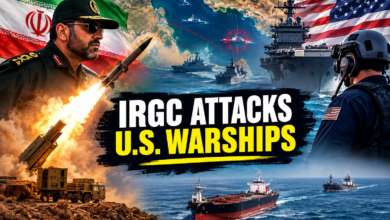
Meanwhile, in neighboring Iraq, the United States has begun reducing its military presence. On September 30, the US Department of Defense confirmed it is cutting troop numbers from 2,500 to fewer than 2,000, with many forces redeploying to the Kurdistan Region. Control of Ain al Asad Airbase in Anbar Province is also being transferred to the Iraqi government.
The drawdown follows a September 2024 agreement between Washington and Baghdad to complete a full withdrawal by the end of 2026. A spokesperson for the US Embassy in Baghdad described the shift as a move toward a “more traditional bilateral security partnership.”
Iraq’s Shia Coordination Framework — a coalition of Iran-backed political groups — welcomed the decision. However, Iranian-backed militias, which have frequently threatened US troops over delays in withdrawal, have not yet publicly responded to the announcement.