

Achhut Kanya – India’s most sensitive and pressing issues of the time:
By Samir Singh 'Bharat': Chief Editor

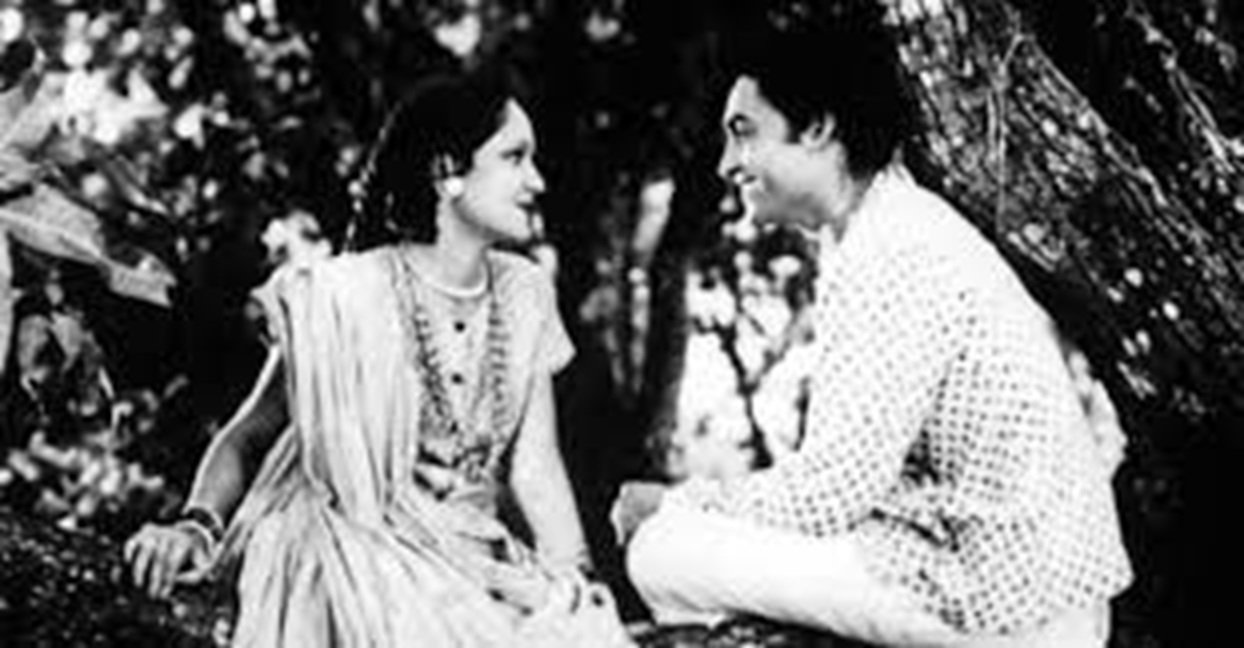
New Delhi : In the annals of Indian cinema, few films occupy as special and lasting a place as Achhut Kanya (The Untouchable Girl). Released in 1936, this social melodrama from Bombay Talkies was not merely a love story—it was a statement on one of India’s most sensitive and pressing issues of the time: untouchability and caste-based discrimination. Produced by Himanshu Rai, directed by Franz Osten, and starring the charismatic Devika Rani alongside a debutant Ashok Kumar, the film blended artistry with social reform.
The making of Achhut Kanya is itself a fascinating story: one that intertwines the ambitions of Bombay Talkies, the creative genius of its European collaborators, the star power of Devika Rani, the raw talent of Ashok Kumar, and the socio-political climate of India in the 1930s. This was a time when Indian cinema was still finding its voice, and Achhut Kanya helped shape it into a medium not just for entertainment, but also for social awakening.
India in the 1930s
The early 1930s were marked by the struggle for Indian independence, Mahatma Gandhi’s mass movements, and an urgent national conversation about social reform. Among the many issues that gripped the public conscience, the question of caste and the inhuman treatment of “untouchables” was one of the most urgent. Gandhi had already begun his campaigns for the upliftment of the Harijans (as he called them), while reformers across the country debated the rigidities of the caste system.
Cinema was a relatively young medium in India then. The talkie era had only begun in 1931 with Alam Ara. By 1936, filmmakers were experimenting with sound, music, and storytelling. But most films catered to mythological, romantic, or stunt genres. Few ventured into overtly social themes.

The Rise of Bombay Talkies
Bombay Talkies, founded in 1934 by Himanshu Rai and Devika Rani, was a modern studio that aimed to produce films of international quality while addressing Indian realities. With financial backing, advanced infrastructure, and technical guidance from German filmmakers like Franz Osten, Josef Wirsching (cinematographer), and Karl von Spreti (art director), Bombay Talkies stood apart from other studios.
It was in this environment that Achhut Kanya was conceived—not just as a love story, but as a progressive narrative that dared to put caste prejudice at the center of its drama.
Himanshu Rai, trained in Europe and inspired by cinema’s potential as both art and reform, wanted his studio to contribute to India’s social transformation. Rai had previously made films like Karma (1933), which brought Devika Rani international recognition. For Achhut Kanya, he envisioned a story that would resonate deeply with Indian audiences while presenting Bombay Talkies as a studio unafraid of tackling difficult themes.

The story was penned by Niranjan Pal, a writer deeply interested in social justice. Pal, who had earlier collaborated with Himanshu Rai on Karma and other projects, shaped Achhut Kanya as a tragic romance between a Brahmin boy and an untouchable girl. By embedding social critique within a melodramatic framework, the film ensured that its message reached audiences without alienating them.
The screenplay balanced reformist zeal with cinematic appeal: love, sacrifice, music, and tragedy. It was a template that would later inspire numerous “social films” in Indian cinema.
Devika Rani: The Star of the Studio
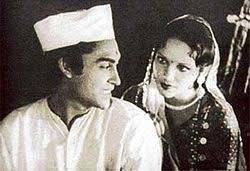
Devika Rani, the “First Lady of Indian Cinema,” was the natural choice for the role of Kasturi, the untouchable girl. Already famous for her beauty, sophistication, and boldness, she brought glamour and authenticity to the role. Her personal life, too, made her a fascinating figure: married to Himanshu Rai, trained in London, and celebrated for her modern outlook.
For Achhut Kanya, Devika Rani immersed herself in the role, portraying Kasturi with dignity and pathos. Her performance helped humanize the struggles of untouchables in a way that had rarely been seen on screen before.

Ashok Kumar: The Reluctant Hero
The male lead, Pratap, was played by Ashok Kumar—though not by design. Originally, Najmul Hassan, an actor already associated with Devika Rani, had been chosen. But a scandal erupted when Devika Rani briefly eloped with Hassan, leading to his dismissal from Bombay Talkies. Himanshu Rai, needing a replacement, turned to his laboratory assistant: Ashok Kumar.
Ashok Kumar had no prior acting experience, but under the careful guidance of Franz Osten and with Devika Rani as his co-star, he blossomed. Achhut Kanya thus became his debut film—and the beginning of one of the longest and most illustrious careers in Indian cinema.
Franz Osten, a German filmmaker, had been collaborating with Himanshu Rai since the 1920s. With a disciplined, almost austere approach to filmmaking, Osten combined German expressionist techniques with Indian themes. He directed Achhut Kanya with clarity and sensitivity, ensuring that the social message did not overshadow the human drama.
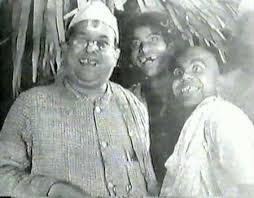
Wirsching’s contribution was immense. With his mastery of lighting and camera movement, he created images that were both lyrical and realistic. His cinematography gave Achhut Kanya a visual polish uncommon in Indian films of that era.
Music was central to the film’s appeal. Saraswati Devi (born Khorshed Minocher-Homji) was one of the first female music directors in Indian cinema. Her songs for Achhut Kanya—simple, melodious, and steeped in folk rhythms—became instant hits. Numbers like “Main Ban ki Chidiya” captured the innocence and tragic destiny of the characters.
The film was primarily shot at the Bombay Talkies studio in Malad, Bombay, which was equipped with modern sound stages and editing facilities. Outdoor scenes were filmed in rural settings around Bombay to give authenticity to the village atmosphere.
Sets were carefully designed by Karl von Spreti to replicate village houses, railway tracks, and temples, evoking both realism and symbolism.
Franz Osten directed with precision. He demanded rehearsals, insisted on naturalistic performances, and guided Ashok Kumar with patience. Devika Rani, already comfortable before the camera, became a mentor to her co-star.
Osten’s direction ensured that Achhut Kanya maintained a balance between melodrama and realism—a hallmark of Bombay Talkies productions.
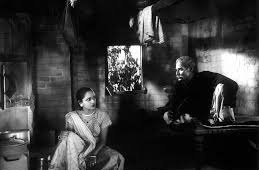
At its heart, Achhut Kanya tells the tragic love story of Kasturi, the untouchable girl, and Pratap, the Brahmin boy. Despite their deep affection, societal norms force them apart. Pratap marries another woman, while Kasturi remains an outcast. In the end, Kasturi sacrifices her life to save Pratap and his wife, dying tragically beneath a train.
The narrative highlighted:
-
The cruelty of caste discrimination.
-
The futility of social barriers against human love.
-
The nobility of sacrifice and dignity in suffering.
The film’s tragic ending underscored the impossibility of true reform without social courage.

Saraswati Devi’s compositions were crucial in carrying the film’s emotional weight. Lyrics were written by J. S. Kashyap, and playback was done live on set, as was common in that era.
The songs became cultural touchstones, especially:
-
“Main Ban ki Chidiya” — celebrating innocence and freedom.
-
“Tujhe Kya Sunaoon Main Dilruba” — expressing longing and love.
These songs not only supported the narrative but also lingered in public memory, becoming classics of early Hindi cinema.
Audience Response
Upon release in 1936, Achhut Kanya created a sensation. Audiences were moved by its story, captivated by Devika Rani’s performance, and impressed by its technical finesse. While some conservatives criticized its bold theme, reformists and the educated middle class hailed it as a courageous step toward social awakening.
Critics praised its progressive subject matter, Osten’s direction, and the performances of Devika Rani and Ashok Kumar. The film was widely reviewed in newspapers and journals, with many calling it a landmark in Indian cinema.
Box Office Success
Achhut Kanya was a commercial hit, establishing Bombay Talkies as a premier studio and making Ashok Kumar a star. It also proved that socially conscious films could succeed with mass audiences.
Achhut Kanya is often cited as one of the earliest examples of the “social film” in India. Its success inspired other filmmakers to address themes of caste, gender, and reform.
The film cemented Bombay Talkies’ reputation for quality cinema. It also showcased the collaborative potential of Indian and European talents working together.
For Devika Rani, the film was one of her defining roles, solidifying her status as the leading lady of Indian cinema in the 1930s.
For Ashok Kumar, it was the start of a career that would span six decades, earning him the title of “Dadamoni” and making him one of the most beloved actors in Indian film history.
Challenges and Controversies
The making of Achhut Kanya was not without hurdles:
-
Casting Scandal: The Najmul Hassan–Devika Rani episode threatened to derail production, but ultimately gave Indian cinema Ashok Kumar.
-
Censor Concerns: Given its theme, there was apprehension about censorship. However, the film passed with only minor objections.
-
Societal Backlash: Some orthodox groups opposed the film’s sympathetic portrayal of untouchables. But the tide of reformist sentiment helped it prevail.
The making of Achhut Kanya in 1936 was a milestone not only for Bombay Talkies but for Indian cinema as a whole. It was a film that dared to combine art with social purpose, romance with reform, and tragedy with hope.
By addressing untouchability in such a direct yet emotionally resonant manner, the film paved the way for later social dramas and cemented the role of cinema as a vehicle for change.
Eighty-nine years later, Achhut Kanya continues to be remembered as one of the great classics of Indian cinema—a film whose making reflects the passion, vision, and courage of its creators