

Iran Restructures Defense Strategy as U.S. and France Expand Support to Lebanon
By Samir Singh 'Bharat':Chief Editor

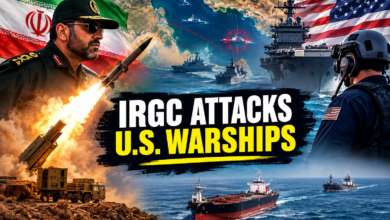
War-Report : Tehran/Beirut – Iranian media outlet Nour News has emphasized the newly formed Defense Council as a central body shaping Iran’s strategy following the Israel-Iran War. Nour News, which is affiliated with Supreme Leader Adviser and Defense Council member Ali Shamkhani, described the Council as a critical response to Iran’s wartime challenges.
The Supreme National Security Council (SNSC) established the Defense Council on August 3 to streamline decision-making during and after the conflict with Israel, citing previous institutional fragmentation and lack of coordination. In a September 9 broadcast, Nour News portrayed the war as a historic turning point, arguing that global security is no longer safeguarded by international law. The outlet claimed that international peace institutions had “proved powerless,” and that power dynamics had effectively replaced legal norms—signaling what it called a global shift from “law-based security” to “weapon-based security.”
Nour News framed the creation of the Defense Council as more than a bureaucratic measure, describing it as a structural response to new global realities and a vehicle for executing Iran’s evolving defense doctrine against “hybrid threats.”
U.S. and France Bolster Lebanese Armed Forces
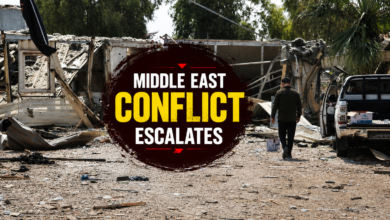
Meanwhile, the United States and France are increasing their support for Lebanon as it navigates regional instability. The U.S. Department of Defense announced on September 10 a $14.2 million military aid package to the Lebanese Armed Forces (LAF). The package will include demolition charges, blasting fuses, and other equipment designed to help the LAF dismantle unexploded ordnance and Hezbollah weapons caches. The Pentagon said the assistance will enable the LAF to “degrade Hezbollah.”
On September 11, Lebanese officials met with French Presidential Envoy Jean-Yves Le Drian, who pledged continued French support for the LAF, Lebanon’s reconstruction, and efforts to stimulate foreign investment. France also plans to convene two international conferences focused on securing additional military and economic backing for Lebanon.


Undermining Hezbollah’s Influence
International support for the Lebanese government aims to strengthen its ability to deliver services and weaken Hezbollah’s grassroots appeal. After the 2006 war, Hezbollah built significant political influence by leading reconstruction efforts and providing social welfare. However, following the conflict with Israel in late 2024, Hezbollah has struggled to finance reconstruction projects and even maintain payments to its fighters.
This financial strain has fueled frustration within Hezbollah’s support base. The group has historically relied on financial incentives—including pensions for the families of deceased fighters and compensation for those who lost homes or property—to maintain loyalty among Lebanon’s Shia population. Weakening Hezbollah’s ability to fulfill these obligations could shift the balance of public support back toward the Lebanese state.