



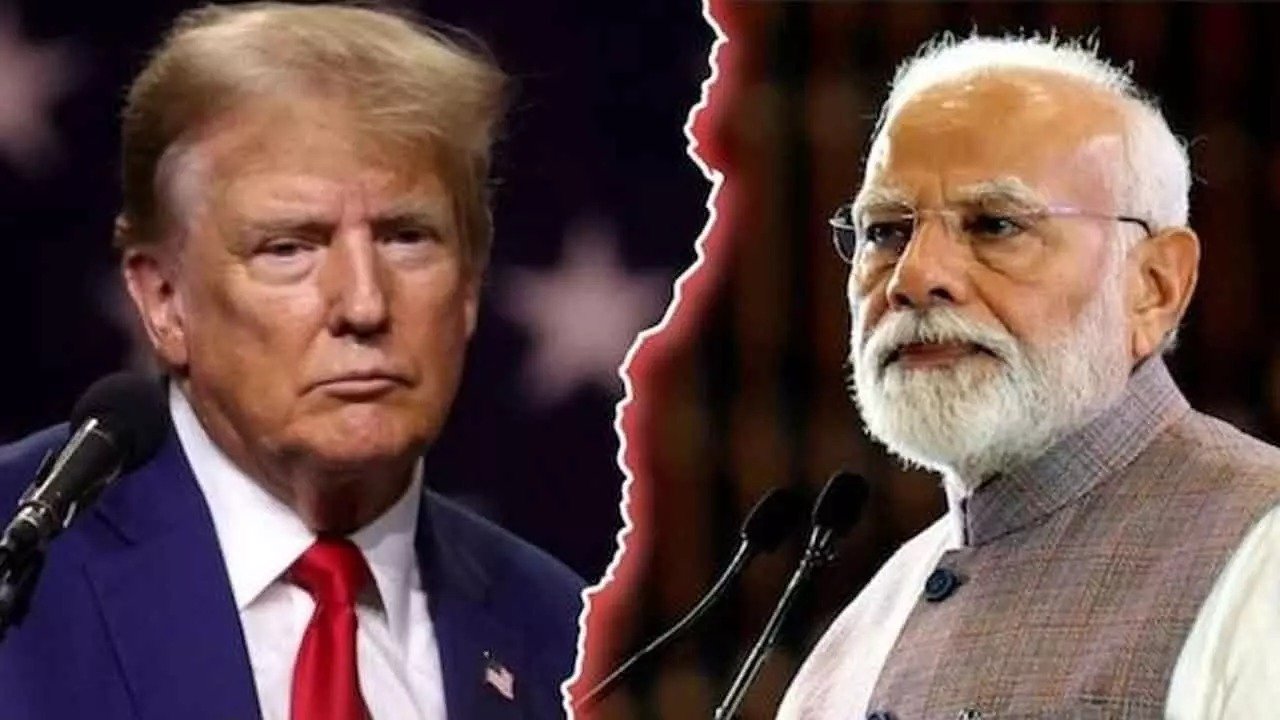
Washington D.C.-New Delhi:- In a major shift in trade policy, former U.S. President and 2024 Republican nominee Donald Trump has announced a 25% tariff on Indian goods if elected back to office, citing India’s continued purchase of arms and energy from Russia. The announcement has sparked concern among global markets and drawn sharp responses from Indian officials.
At a campaign rally in Florida, Trump said,
“India is taking billions in trade from America and then turning around to buy weapons and oil from Russia. That won’t be tolerated under a Trump administration. We will impose a 25% tariff on all Indian imports and introduce additional penalties for countries doing business with our enemies.”
This move, if implemented, could impact over $100 billion in bilateral trade between India and the U.S., especially sectors like pharmaceuticals, textiles, and IT services where India holds a competitive edge.
Russia Factor at the Core

India has maintained a neutral stance in the ongoing Russia-Ukraine conflict, continuing to import discounted Russian oil and defense equipment. While New Delhi argues these deals are based on strategic and economic interests, Trump and many in the U.S. political establishment see it as indirect support for the Kremlin.
A senior Trump campaign advisor told Fox News,
“You can’t play both sides. If you want American markets, you must align with American interests.”

India Responds Firmly
India’s Ministry of External Affairs issued a brief but firm statement:
“India follows an independent foreign policy based on national interest. We do not accept external pressure on our sovereign decisions.”
Trade experts warn that Trump’s tariff threat could trigger a mini trade war, echoing the tensions of 2018–2020 when tariffs were imposed on Indian steel and aluminum under his first term.
Global Reactions
Markets across Asia showed signs of unease following the announcement. The BSE Sensex dropped 412 points in early trading, while the Indian Rupee weakened slightly against the U.S. Dollar.
Diplomatic sources indicate that backchannel talks may already be underway to de-escalate the situation before it becomes a full-blown trade crisis.