


When institutions betray their purpose, nations lose their soul
By Doruvu Paul Jagan Babu: Assistant Chief Editor

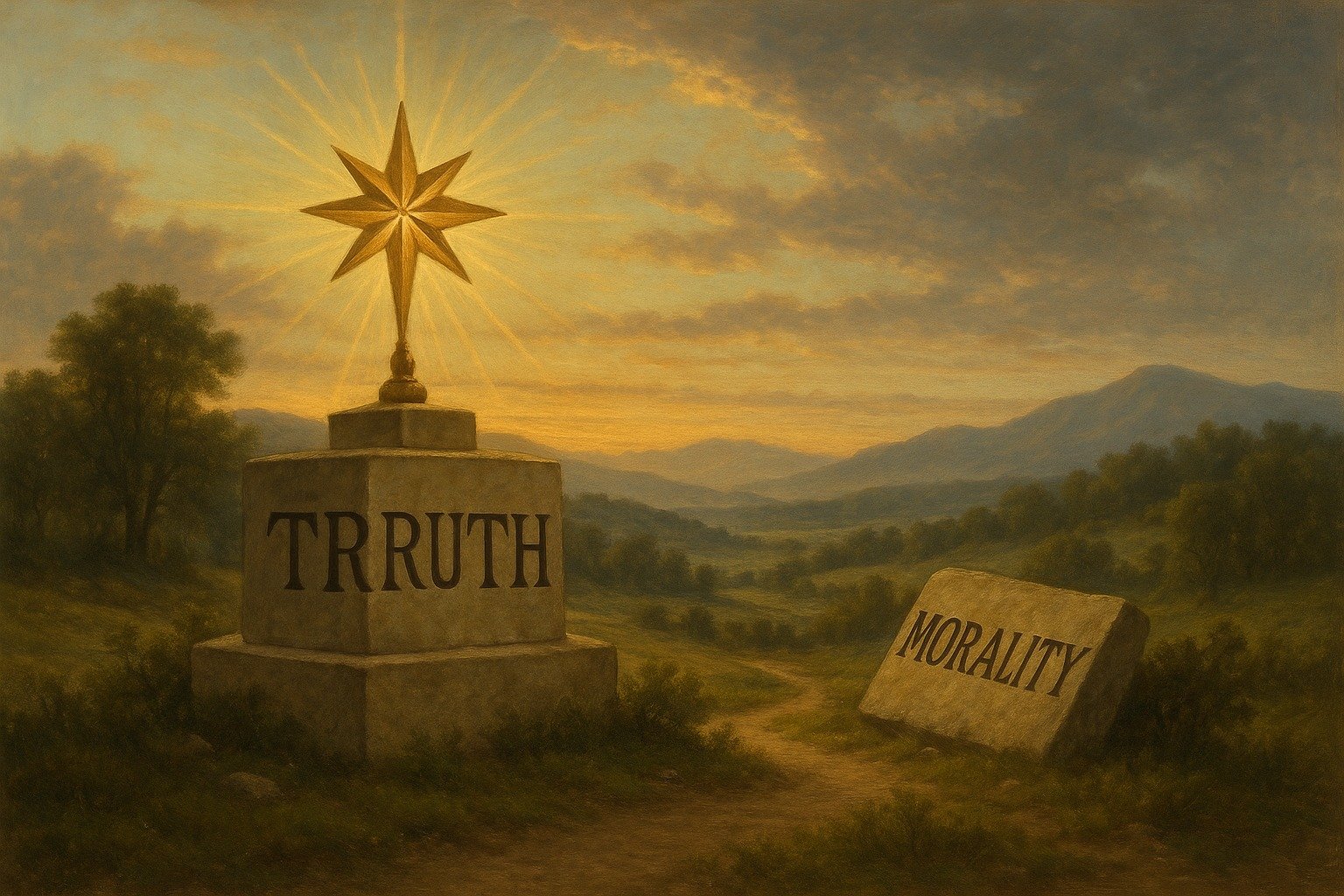
In a time when institutions are meant to be the custodians of our collective progress, the words of American journalist Chris Hedges echo with unsettling familiarity:
> “We now live in a nation where doctors destroy health, lawyers destroy justice, universities destroy knowledge, governments destroy freedom, the press destroys information, religion destroys morals, and our banks destroy the economy.”
For India, some opine, this reflection is not distant. It is disturbingly close.
A crisis of conscience in our institutions
Across the country, citizens are increasingly disillusioned. Hospitals, once sanctuaries of healing, often resemble profit-driven enterprises where treatment is dictated not by need, but by affordability. The COVID-19 pandemic exposed this dark underbelly—from inflated bills to the prioritization of the wealthy, health has become a commodity, not a right.

The judiciary, though constitutionally independent, has come under public scrutiny for delays, selective urgency, and, at times, questionable silence. Justice, which should be blind and swift, now too often seems tangled in red tape and privilege.
The shrinking space for knowledge and thought
Our universities, once thriving centers of critical thinking and dissent, are increasingly shackled by ideological control and funding cuts. Dissenting scholars are silenced, students are surveilled, and campuses are turned into battlegrounds for political dominance rather than nurturing minds for the future.

Governments, at both central and state levels, are accused of suppressing freedoms—whether it is the freedom to speak, protest, practice faith, or demand transparency. Surveillance over citizens grows, while accountability from leaders diminishes. In such a democracy, the idea of freedom becomes ornamental, not functional.
When the Fourth Estate fails
The media, long hailed as the fourth pillar of democracy, now finds itself deeply fractured. Much of mainstream press has abandoned its watchdog role, succumbing to corporate or political pressures. Misinformation, sensationalism, and selective coverage have taken precedence over investigative rigor and unbiased truth.
Religious institutions, once beacons of compassion and ethical guidance, have been increasingly weaponized to divide rather than unite. Morality is replaced with majoritarianism, and faith is often distorted to serve narrow political gains. The sacred is being exploited for the profane.
Our banks and financial institutions, meant to safeguard economic stability, have presided over multiple scams, frauds, and financial exclusions. Farmers struggle, small businesses crumble, and yet billionaires thrive with write-offs and bailouts.
A call for moral reckoning
India stands at a moral crossroads. The erosion of trust in institutions does not happen overnight—it seeps in slowly, when systems forget why they were built in the first place. But the people must remember. Civil society, students, ethical professionals, and ordinary citizens must become the conscience of the nation.
This editorial is not an indictment of individuals, but of a collective decay. Redemption is possible, but only when we hold our institutions accountable and reclaim their purpose. Health must heal. Justice must protect. Education must enlighten. Governance must empower. Media must inform. Religion must uplift. And the economy must serve.
Let us not forget: when institutions betray their purpose, nations do not just fail—they lose their soul. Let truth be our foundation, and morality our guide.