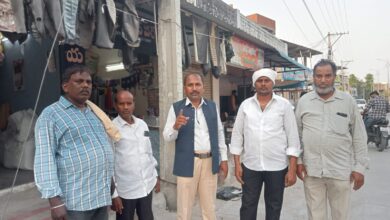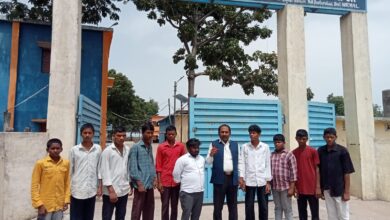


RDT funding crisis sparks outrage in Anantapur
By Doruvu Paul Jagan Babu: Assistant Chief Editor

Andhra Pradesh (Net News): The abrupt halt of foreign funding to the Rural Development Trust (RDT) in Anantapur has ignited widespread concern, with public associations, NGOs, and political parties rallying to restore support for an organization that has transformed lives in the region for decades.
RDT’s transformative legacy in Anantapur
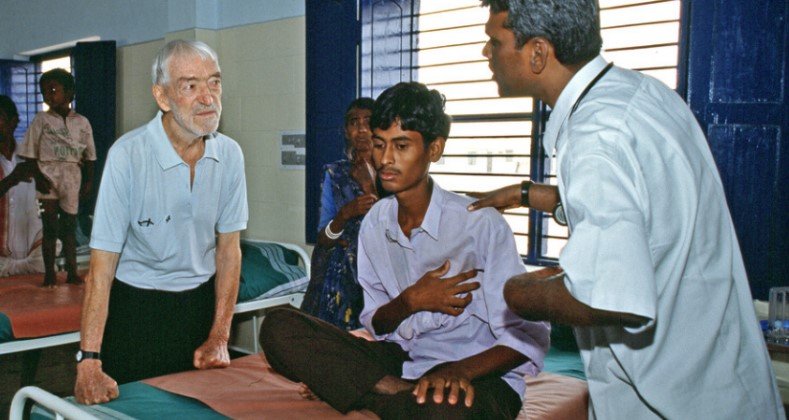
For over 50 years, the Rural Development Trust (RDT) has been a beacon of hope in Anantapur district, Andhra Pradesh. Founded by Spanish priest Vicente Ferrer, RDT has uplifted millions through education, healthcare, and sustainable development. It runs schools, colleges, hospitals, and programs for women’s empowerment and disability support, serving marginalized communities across rural areas. Its hospitals provide critical care, while its educational initiatives have empowered countless youth, making RDT a cornerstone of social progress in one of India’s most drought-prone regions.
Why foreign funding was stopped?
The central government has reportedly stalled the renewal of RDT’s Foreign Contribution Regulation Act (FCRA) license, essential for receiving foreign funds. While official reasons remain unclear, posts on X and local Telugu news suggest allegations of regulatory violations and concerns over foreign influence. The non-renewal threatens RDT’s operations, as foreign contributions form a significant part of its funding. This has raised fears that schools, hospitals, and other services may face closure, impacting thousands of beneficiaries.

Political parties’ response
Political parties in Anantapur have taken varied stances. Some vocally criticized the central government’s decision, labeling it as unjust and detrimental to the poor. Some leaders have joined protests, highlighting RDT’s contributions to the region’s development. Some have been more reserved, with some leaders acknowledging RDT’s work but calling for transparency in its operations. Political discourse on X reflects a polarized narrative, with some accusing the central government of targeting NGOs for political reasons.
Public outcry and mobilization

The public response has been overwhelming, with widespread anger and concern over the funding freeze. Public associations, NGOs, and local communities have submitted memorandums to authorities, urging the restoration of RDT’s FCRA license. Protests and social media campaigns, including hashtags like #SaveRDT, have gained traction, emphasizing RDT’s indispensable role. Residents fear the loss of critical services, with many sharing personal stories of how RDT’s initiatives transformed their lives. The collective outcry underscores RDT’s deep-rooted impact and the urgency to resolve the crisis.
A call for action
The funding crisis facing RDT is not just a bureaucratic issue; it threatens the lifeline of Anantapur’s most vulnerable. The central government must transparently address the reasons behind the FCRA non-renewal and work toward a solution that preserves RDT’s ability to serve. As public and political pressure mounts, the resilience of Anantapur’s communities shines through, united in their demand to #SaveRDT and protect a legacy of compassion and progress.