


Union Budget 2025-26: A balancing act or a missed opportunity?
By Doruvu Paul Jagan Babu: Assistant Chief Editor

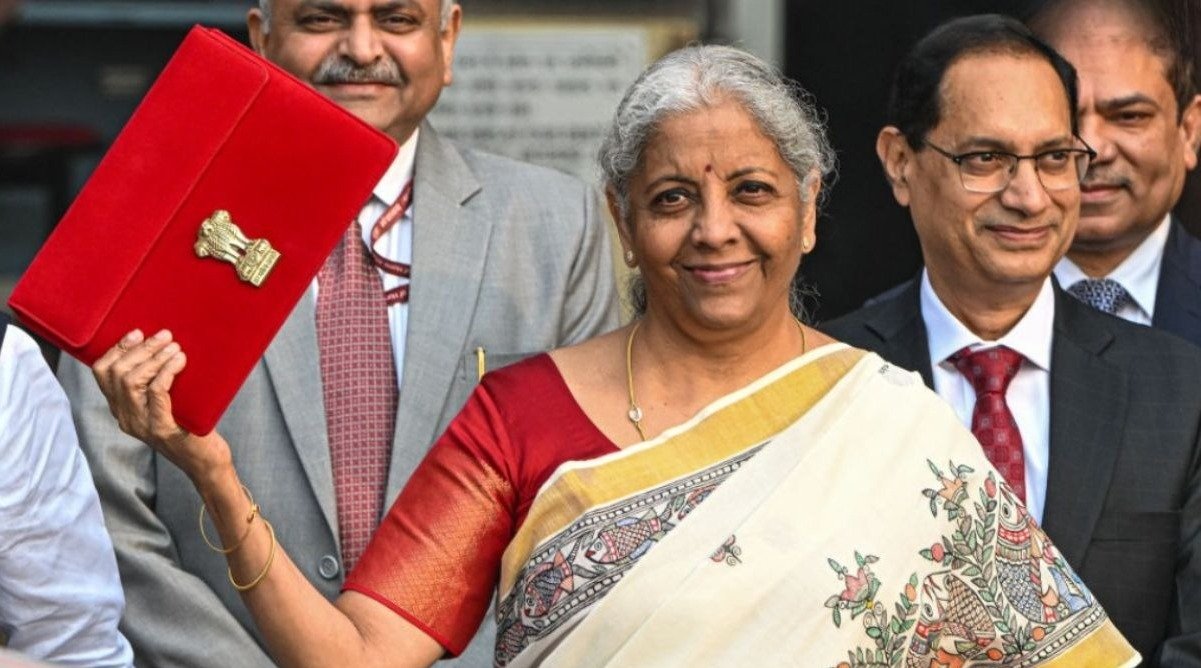
The Union Budget 2025-26 has been framed around the goal of boosting consumer spending and encouraging private investment. A significant move has been the reduction in personal income tax rates, aimed at increasing disposable incomes and stimulating demand-led growth. The ruling side argues that this strategy will drive economic expansion, compensating for the expected slowdown in GDP growth. They also highlight investments in digital innovation and infrastructure as crucial steps to sustain long-term economic stability.
Concerns over inflation and growth slowdown
However, critics point out that despite these measures, urban demand remains fragile, and private investment is yet to pick up at the anticipated pace. Food inflation continues to weigh heavily on household budgets, limiting the intended benefits of tax relief. The opposition argues that unless inflation is addressed effectively, any boost in disposable income may not translate into real economic gains for the middle class.
Shift in economic priorities: From supply-side to demand-led growth
The budget signals a notable policy shift—moving away from the supply-side emphasis of previous years to a demand-led approach. Supporters of this transition believe that fostering direct consumer spending will generate sustainable growth, while detractors question whether the shift comes at the cost of much-needed infrastructure expansion. The debate hinges on whether the government has struck the right balance between growth-oriented spending and fiscal responsibility.


Discontent among opposition and federal concerns
The opposition has been vocal in its criticism, particularly regarding the allocation of resources across states. Non-ruling states express concerns over perceived disparities in fund distribution, arguing that their development needs have been overlooked. This has reignited debates over federal fiscal policies and the extent to which regional aspirations are accommodated in national economic planning.

Sectoral needs and unmet expectations
While the budget includes provisions for infrastructure, digital innovation, and social welfare, some sectors feel neglected. Key industries that rely on steady policy support, such as agriculture, small businesses, and healthcare, have raised concerns over insufficient allocations. Additionally, labour groups and rural development advocates argue that more direct interventions are needed to address job creation and income security in economically vulnerable regions.
A balancing act or a missed opportunity?
The Union Budget 2025-26 presents a mixed picture. Supporters view it as a well-calibrated approach to economic stability, emphasizing consumer spending, investment growth, and digital innovation. Critics, however, see it as falling short in addressing inflation, sectoral disparities, and regional funding concerns. Whether this budget achieves its intended impact will depend on how effectively its policies translate into real economic benefits for all sections of society.
The views expressed in this column are those of Ecclesiastes, the Omnivoyant Observer.