

Iran Tightens Internet Controls, Signaling Fears of Renewed Protests and Ongoing Internal Threat
By Samir Singh 'Bharat' : Chief Editor


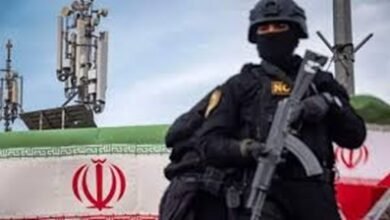
WAR-REPORT : Iranian authorities’ plan to restrict internet and communications access primarily to vetted and trusted individuals underscores that the regime does not believe the threat posed by the recent protest movement has passed. Instead, the measures suggest that the government continues to view protesters as internal enemies capable of challenging the regime’s survival if given the opportunity.
The government is implementing a phased approach to easing the nationwide internet shutdown, but officials have made clear that unrestricted access will not be restored for the general population. According to regime-linked media, authorities plan to begin by reinstating SMS services, followed by access to the national internet and domestic messaging platforms. International internet access would be restored last and only to select users.

Under the plan, messaging applications will be available exclusively to verified and authorized individuals. This system would allow security agencies to blacklist specific people or groups, effectively preventing them from using digital communication platforms. While officials have not provided a clear timeline for the rollout of these phases, a government spokesperson stated on January 16 that full internet access would not be restored until after the completion of the 40-day mourning period for those killed during the protests. The spokesperson added that access may not return before Nowruz on March 20, 2026.

In Shia tradition, mourning ceremonies are held 40 days after a death. Given the large number of protesters reportedly killed during the crackdown, thousands of such ceremonies are expected in the coming weeks—events that have historically served as catalysts for renewed demonstrations. Analysts believe the regime’s delay in restoring internet access reflects concern that these gatherings could reignite unrest.

A US-based digital rights organization focused on Iran corroborated reports from Iranian media, noting that the regime plans to restrict international internet access to a whitelist of approved individuals. Senior officials, including Supreme Cyberspace Council member Mahdi Akhavan Bahabadi and council secretary Mohammad Amin Aghamiri, are reportedly overseeing efforts to ensure that international internet services and messaging platforms are accessible only to users with high-level security clearance. These measures highlight the regime’s continued perception of Iran’s broader population as a potential threat and its belief that protests could resume if communication channels are reopened.
Observers note that the regime likely intends to shape international narratives by limiting global internet access to its supporters. By doing so, authorities could amplify official messaging abroad while preventing opposition voices from documenting and publicizing conditions inside Iran. Iranian officials and state media have repeatedly labeled protesters as “terrorists,” a characterization that may be used to frame the unrest as a counterterrorism issue in order to blunt international criticism of the government’s violent response.
Critics argue that branding protesters as terrorists allows the regime to justify the use of lethal force while avoiding engagement with the demonstrators’ underlying grievances. The continued internet blackout also enables the concealment of abuses by restricting independent reporting and limiting the circulation of images and videos documenting the crackdown.

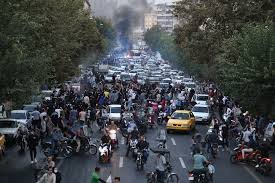
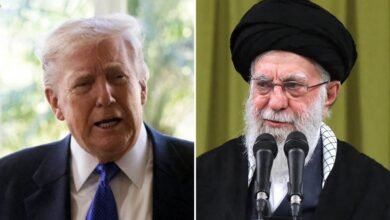
The regime’s response to the recent decline in protest activity suggests that it has no intention of addressing the root causes of the unrest, increasing the likelihood of future demonstrations. Supreme Leader Ali Khamenei has continued to deflect responsibility by accusing the United States and Israel of orchestrating the protests. He has claimed that demonstrators were either funded and trained by US and Israeli intelligence services or were “naïve teenagers” manipulated by foreign-backed agents.
Other Iranian officials have echoed this narrative, consistently blaming external actors and alleged “terrorists” rather than acknowledging domestic economic, political, and social grievances. Analysts say Khamenei’s remarks reflect the regime’s long-standing unwillingness or inability to recognize and respond to the demands of its own population—a pattern that suggests the current lull in protests may be temporary rather than permanent.